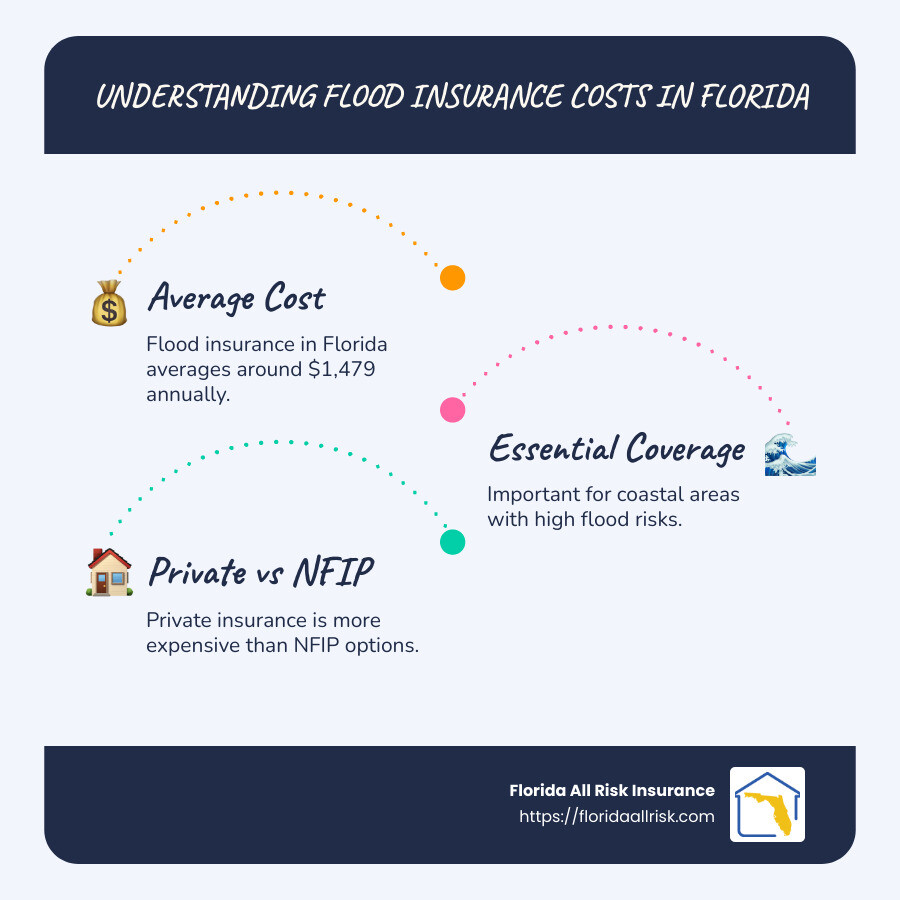
Understanding the average price of flood insurance in Florida is crucial for homeowners who want to protect their properties without breaking the bank. The simple answer? Flood insurance in Florida averages around $1,479 annually for private coverage, which is significantly more than the National Flood Insurance Program (NFIP) options.
Flood insurance is essential in Florida due to the state’s high flood risk. With numerous coastal areas and a history of severe weather, the risk of flooding—and therefore potential property damage—is high. This makes it vital for homeowners to consider flood insurance as a safeguard against natural disasters. While standard home insurance does not cover flood-related damages, having flood insurance can prevent significant financial loss.
I’m Jason Miller. With over 20 years in Florida’s insurance industry, I’ve witnessed the evolving landscape of flood insurance needs, helping clients steer the complexities and understand the average price of flood insurance in Florida. Understanding these crucial details ensures seamless decision-making.
Average price of flood insurance in florida terms you need:
– do all homes in florida require flood insurance
– fema flood zone map
– flood insurance cost
Understanding the Average Price of Flood Insurance in Florida
When it comes to flood insurance costs in Florida, several factors can affect how much you pay. Let’s break it down:
Factors Influencing Costs
- Flood Zones:
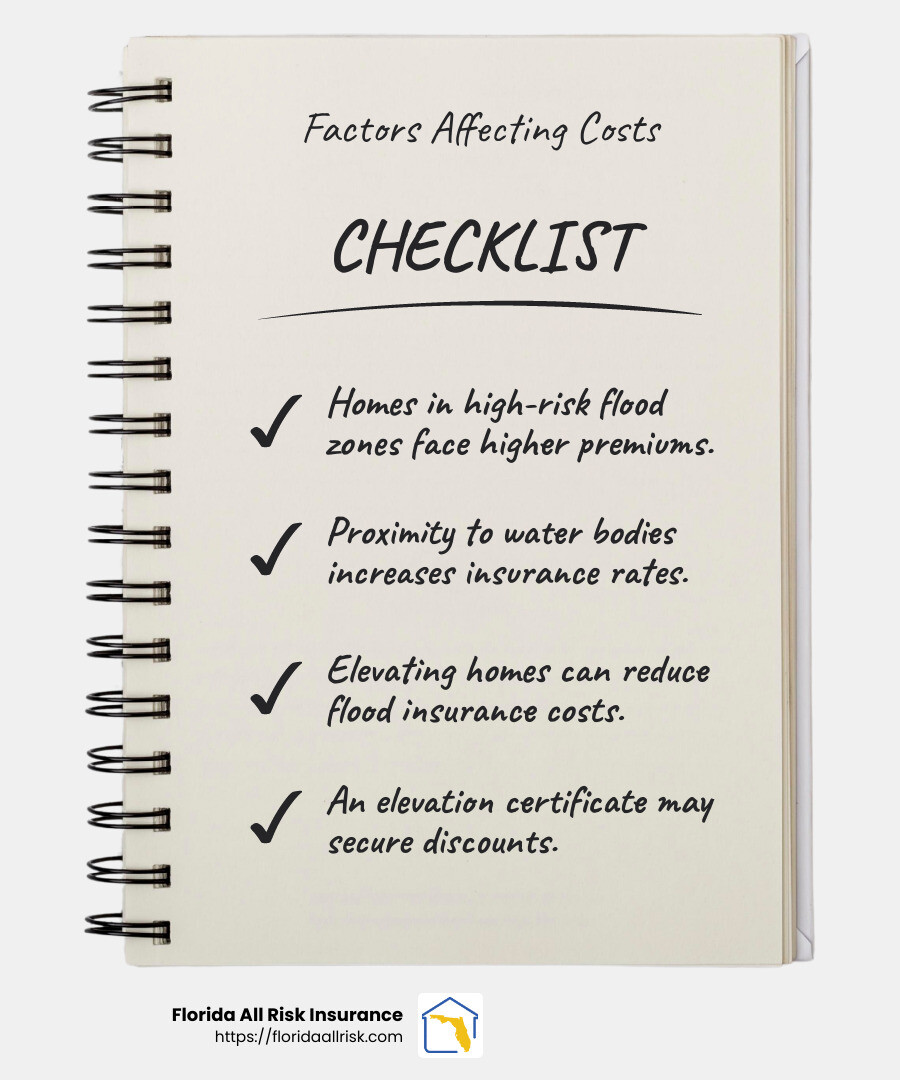
Flood zones are one of the most significant factors. Homes in high-risk zones, like those marked with “V” or “A,” typically face higher premiums. These zones are more likely to experience flooding, increasing the risk for insurers. Conversely, homes in lower-risk zones might enjoy lower premiums.
- Property Risks:
Your property’s specific characteristics also matter. Factors such as the building’s elevation, construction type, and proximity to water bodies can influence costs. Homes with lower first-floor elevations are more susceptible to damage, leading to higher insurance rates.
- Elevation:
Elevating your home can lead to reduced insurance costs. Homes built on stilts or with raised foundations are less likely to suffer severe flood damage, which insurers often reward with lower premiums. Obtaining an elevation certificate can also help verify your property’s height, potentially securing discounts.
Comparing Insurance Options
Choosing between NFIP and private flood insurance comes down to several key differences:
- Coverage Limits:
The NFIP provides coverage up to $250,000 for the structure and $100,000 for contents. However, if your property is worth more, private insurance might be the better option, offering higher limits that better protect high-value homes.
- Waiting Periods:
The NFIP typically has a 30-day waiting period before coverage kicks in, which means you need to plan ahead. In contrast, many private insurers offer shorter waiting periods, sometimes as little as a week, providing quicker protection.
- Flexibility:
Private insurance often provides more flexibility in coverage options and terms. This can be beneficial if you have specific needs or want to tailor your policy more closely to your situation.
Understanding these factors and options can help you make informed decisions about your flood insurance needs, ensuring you get the right coverage at a price that fits your budget.
Next, we’ll explore strategies to help you save on flood insurance costs.
How to Save on Flood Insurance
Flood insurance can be a hefty expense, but there are several strategies you can use to cut down on costs. Let’s explore some practical ways to save on your flood insurance premiums:
Shop Around
One of the simplest ways to potentially lower your flood insurance cost is to shop around. Don’t just settle for the first quote you receive. Different insurance companies offer different rates, so it’s worth comparing multiple options. Private flood insurance companies, in particular, may offer lower rates than the NFIP. An independent insurance agent can assist in finding the best deal for your specific needs.
Choose a Higher Deductible
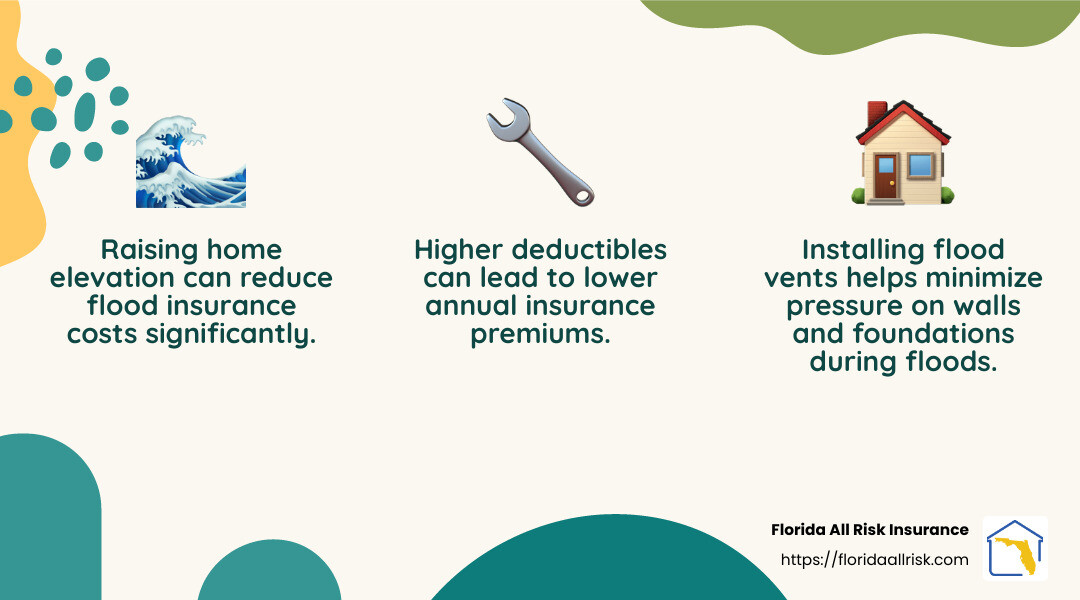
Opting for a higher deductible is another effective way to reduce your annual premiums. A deductible is the amount you pay out of pocket before your insurance covers the rest. By agreeing to a higher deductible, you can lower your premium costs. However, make sure you have enough savings set aside to cover the deductible in the event of a flood.
Implement Risk Reduction Measures
Reducing your home’s risk of flooding can also lead to lower insurance premiums. Here are some steps you can take:
- Lift Utilities: Place water heaters, HVAC systems, and other essential utilities on liftd platforms to protect them from floodwaters.
- Install Flood Vents: These allow water to flow through your property, reducing pressure on walls and foundations.
- Lift Your Home: While costly, elevating your home can significantly reduce flood risk and insurance costs.
Before investing in these measures, consult with an insurance agent to understand the potential savings.
Obtain an Elevation Certificate
An elevation certificate (EC) can be a valuable tool in reducing your flood insurance premiums. This document provides details about your home’s elevation relative to potential flood levels. If your home is at a lower risk of flooding due to its elevation, you might be eligible for reduced rates. Check with your local floodplain manager to see if an EC is already on file for your property. If not, consider hiring a professional to create one.
By exploring these strategies, you can better manage your flood insurance expenses and secure coverage that fits your budget. Next, we’ll discuss Florida’s specific flood insurance requirements and recent legislative changes.
Florida Flood Insurance Requirements
Flood insurance is an important consideration for homeowners in Florida, especially if you have a mortgage or live in a high-risk area. Let’s break down the key requirements and recent changes in flood insurance policies in Florida.
Mortgage Requirements
If you have a mortgage and live in a Special Flood Hazard Area (SFHA), flood insurance is usually mandatory. Lenders require this because these areas have a higher risk of flooding. The Federal Emergency Management Agency (FEMA) designates SFHAs, where there is at least a 1% chance of flooding each year. Without flood insurance, lenders face significant financial risk if a flood damages the property.
State-Specific Policies
Florida has its own rules when it comes to flood insurance, especially for those insured by Citizens Property Insurance Corporation. Citizens is the state-run insurer of last resort, and if you have a policy with them, you’ll need to buy flood insurance by 2027. This requirement is rolling out in stages:
- April 1, 2023: New customers in SFHAs need flood insurance.
- July 1, 2023: Existing policies in SFHAs with wind coverage must include flood insurance.
- January 1, 2024: Homes insured for $600,000 or more require flood insurance.
- January 1, 2025: Homes insured for $500,000 or more must have flood insurance.
- January 1, 2026: Homes insured for $400,000 or more need flood insurance.
- January 1, 2027: All homes insured by Citizens must have flood insurance.
New Legislation
Recent legislative changes in Florida have brought new requirements for homeowners. As of October 2024, sellers must disclose if they have ever filed a flood insurance claim or received federal assistance for flood damage to the property. This transparency helps buyers make informed decisions and understand potential flood risks.
Additionally, if a property has received federal disaster assistance for flood damage in the past, maintaining flood insurance is essential to qualify for future aid. This requirement ensures that properties remain protected against flood risks.
Understanding these requirements can help you stay compliant and protect your home from potential flood damage. Next, we’ll address some frequently asked questions about flood insurance in Florida.
Frequently Asked Questions about Flood Insurance in Florida
What is the average yearly cost of flood insurance in Florida?
The average price of flood insurance in Florida is around $792 per year. However, this can vary widely. Some homeowners pay as little as $450 annually, while others might face premiums up to $3,500. Factors influencing these costs include your property’s location, its flood zone designation, and whether you choose a policy from the National Flood Insurance Program (NFIP) or a private insurer.
Is flood insurance mandatory in Florida?
Flood insurance isn’t required for everyone in Florida, but it becomes mandatory under certain conditions. If you have a mortgage on a home located in a high-risk flood zone, your lender will likely require you to purchase flood insurance. These high-risk areas are usually designated as Special Flood Hazard Areas (SFHAs) by FEMA, and are marked with letters like “A” or “V”. Additionally, homeowners with policies from Citizens Property Insurance must secure flood insurance by 2027, with specific deadlines based on property value and location.
Can I get discounts on flood insurance in Florida?
Yes, there are ways to reduce your flood insurance costs in Florida. One option is to obtain an elevation certificate, which documents your property’s elevation relative to potential flood levels. This can sometimes lead to significant discounts. Additionally, FEMA offers discounts for properties that have implemented flood mitigation measures, such as elevating utilities or the home itself. Newly mapped properties into high-risk zones may also receive transitional discounts to ease the shift to higher insurance requirements.
By understanding these factors and exploring available options, you can manage and potentially lower your flood insurance costs while ensuring adequate protection.
Conclusion
At Florida All Risk Insurance, we know that navigating flood insurance can feel overwhelming. That’s why we’re here to simplify the process for you. Based in St. Petersburg, Florida, our team offers personalized service custom to your unique needs. With access to a wide range of carriers, we ensure you get the most suitable coverage at competitive rates.
Our focus is on providing comprehensive solutions for flood insurance, homeowners insurance, and more. We assess your individual requirements, whether you’re a homeowner, renter, or business owner, and work closely with you to address any concerns about flood insurance costs in Florida.
Flood insurance is essential for protecting your property against the unpredictable nature of floods. With our expert guidance, you can explore potential discounts, understand your flood zone, and choose the best policy for your situation. Our goal is to help you secure the best flood insurance coverage without overpaying.
Ready to take the next step? Contact us today to learn more about how Florida All Risk Insurance can safeguard your home and belongings. We’re here to assist you every step of the way.