

Do all homes in Florida require flood insurance? The short answer is: no, not all homes are required to have flood insurance. However, if you have insurance through Citizens Property Insurance, recent state legislation will soon make it mandatory for most of their policyholders to have flood insurance, even in lower-risk areas. Here’s a quick overview of the key aspects:
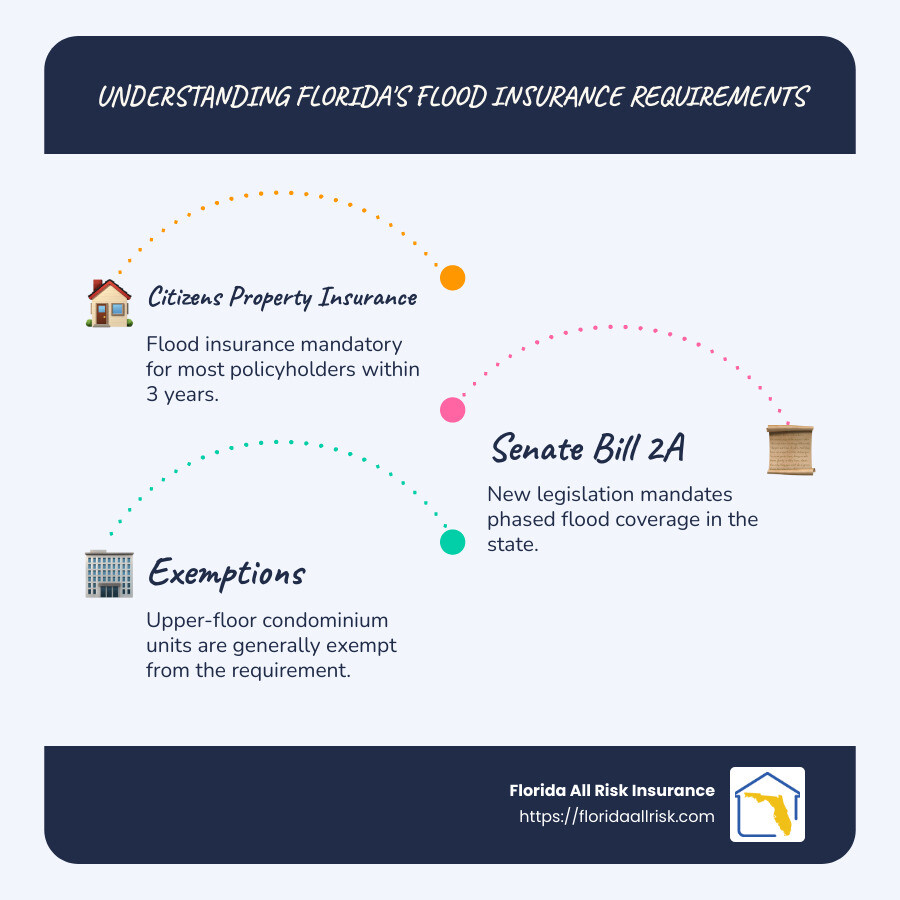
- Citizens Property Insurance Requirement: Most policyholders will need flood insurance within the next three years.
- New Law: Senate Bill 2A passed, mandating phased flood coverage.
- Exclusions: Upper-floor condominium units are generally exempt.
Florida, with its high average rainfall and flat terrain, is highly prone to flooding, making it a pertinent concern for homeowners. The state’s evolving insurance landscape, marked by legislative changes, emphasizes the urgent need for flood insurance, especially following incidents like Hurricane Ian that caused severe damage. Supporting the requirement, experts argue that such measures could safeguard homeowners from devastating financial loss, despite the upfront cost involved.
As Jason Miller, a seasoned insurance professional with over 20 years of experience in Florida, I understand the intricacies of flood insurance and the common inquiry of “do all homes in Florida require flood insurance?” As the legislative currents shift, determining the necessity of flood insurance for your property becomes crucial. Let’s dig deeper into how recent changes could impact Florida homeowners.
Explore more about do all homes in florida require flood insurance:
– average cost of flood insurance in florida
– does flood zone ae require flood insurance in florida
– how much does flood insurance cost in florida
Do All Homes in Florida Require Flood Insurance?
While not every home in Florida is mandated to have flood insurance, recent legislative changes mean that many homeowners will soon need it, especially those insured through Citizens Property Insurance. Let’s break down these changes and what they mean for you.
Understanding the New Legislation
In response to increasing storm damage, the Florida Legislature passed Senate Bill 2A. This bill introduces a phased-in requirement for flood insurance among Citizens Property Insurance policyholders.
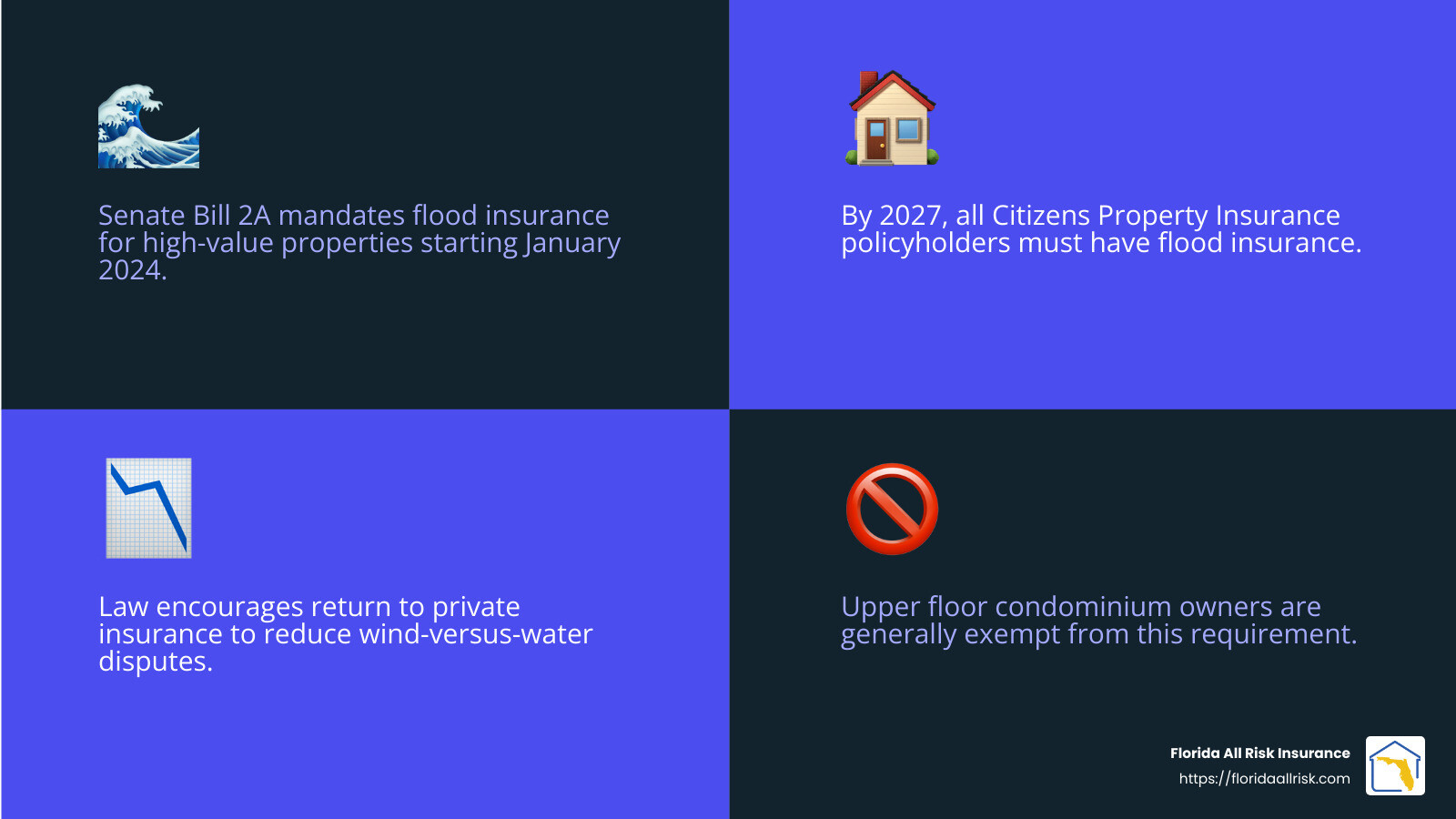
- Phased-In Requirements: Starting in January 2024, properties with a replacement value of $600,000 or more must have flood insurance. This requirement will gradually extend to all Citizens-covered properties by 2027, regardless of value.
The aim is to encourage homeowners to return to the private insurance market and minimize disputes over wind-versus-water damage claims.
Exceptions and Exemptions
While the new law affects many homeowners, there are notable exceptions:
-
Condominiums on Upper Floors: Owners of units on upper floors are generally exempt from this requirement. The rationale is that these units are less susceptible to flood damage.
-
Private Insurers: Homeowners can avoid this mandate by opting for coverage through a private insurer instead of Citizens Property Insurance.
These legislative changes reflect Florida’s proactive stance on flood risk management. However, understanding whether your property falls under these mandates is crucial. For those insured through Citizens, it’s important to prepare for these changes and consider the benefits of having flood insurance in place.
Why Flood Insurance is Important in Florida
Florida is a flood-prone state. With its low-lying terrain and frequent storms, the risk of flooding is significant. Hurricane Ian exemplified this, causing billions in damages and highlighting the vulnerability of both coastal and inland areas. Such events underscore the importance of flood insurance for homeowners across Florida.
Risks of Not Having Flood Insurance
Not having flood insurance can lead to severe financial consequences. Many homeowners wrongly assume their standard homeowner’s insurance covers flood damage. It doesn’t. Without specific flood coverage, any damages caused by flooding must be paid out-of-pocket, which can be incredibly costly.
-
Uninsured Damages: A single flood event can cause tens of thousands in damage to a home. Without insurance, these costs fall entirely on the homeowner.
-
Financial Burden: Repairing or rebuilding after a flood can deplete savings or lead to significant debt.
-
Disaster Assistance Limitations: While federal disaster assistance may provide some relief, it’s often insufficient to cover the full extent of damages. It’s also not guaranteed and typically comes in the form of a loan that must be repaid.
Benefits of Having Flood Insurance
Having flood insurance provides peace of mind and a financial safety net. It covers damages that standard policies don’t, ensuring homeowners aren’t left in financial ruin after a flood.
-
Coverage Details: Flood insurance can cover both structural damage to your home and loss of personal property. Some policies also include coverage for debris removal and compliance costs.
-
Peace of Mind: Knowing that you’re protected against one of the most common natural disasters in Florida can alleviate stress and anxiety, especially during storm season.
-
Protection Against Litigation: In disputes over damage causes, having clear flood coverage can help avoid lengthy and costly legal battles over wind-versus-water damage.
Flood insurance is not just about compliance with new legislation. It’s about safeguarding your home and financial future in a state where flooding is a real and persistent threat.
How to Determine Your Flood Risk
Understanding your flood risk is essential for making informed decisions about flood insurance in Florida. Here’s how you can assess whether your home is in a high-risk or low-risk area and the tools available to help you.
High-Risk vs. Low-Risk Areas
Flood risk in Florida is classified into different zones by the Federal Emergency Management Agency (FEMA). These zones help determine the likelihood of flooding in an area and influence both insurance requirements and recommendations.
-
High-Risk Zones: These areas have at least a 1% annual chance of flooding, also known as the 100-year floodplain. Homeowners in these zones with federally regulated or insured mortgages are typically required to have flood insurance. Common high-risk zones include Zones A and V.
-
Moderate to Low-Risk Zones: These areas have a reduced risk but are not immune to flooding. Approximately 25% of flood claims come from these zones, showing that flood insurance is still a wise investment. These zones are usually marked as Zones B, C, or X.
-
Undetermined Risk Zones: Areas where no detailed flood hazard analysis has been conducted are classified as Zone D. While the risk is uncertain, flood insurance rates in these zones reflect the potential for flooding.
Tools and Resources for Assessing Risk
Several resources can help you determine your flood risk and make informed insurance decisions:
-
FEMA Flood Maps: These maps provide a visual representation of flood zones and are a crucial tool for assessing flood risk. You can view these maps on the FEMA Flood Map Service Center.
-
FloodSmart.gov: This site offers a simple way to find out your flood zone and the associated risk. It also provides information on flood insurance options and costs.
-
Online Risk Assessment Tools: Various online platforms can help you determine your flood risk based on your address. These tools often include interactive maps and risk assessment calculators.
-
Local Resources: Your local government or planning department may have additional resources or maps specific to your area, providing more detailed information.
By using these tools and understanding flood zone classifications, you can better assess your need for flood insurance and ensure you’re adequately protected. Whether you’re in a high-risk or low-risk area, knowing your flood risk is the first step in making informed decisions about flood insurance.
Frequently Asked Questions about Flood Insurance in Florida
Will everyone in Florida be required to have flood insurance?
Not every homeowner in Florida is required to have flood insurance, but the requirements are evolving. The Florida Legislature’s Senate Bill 2A mandates that policyholders with Citizens Property Insurance gradually obtain flood insurance over the next few years. Starting in January 2024, homes with a replacement value of $600,000 or more must have flood insurance. By 2027, all Citizens-covered structures will need it.
However, if your mortgage is federally regulated and your home is in a high-risk flood zone, you are already required to have flood insurance. Even if not mandated, considering the state’s flood-prone nature, having flood insurance is wise for financial protection.
How do I know if I need flood insurance in Florida?
Determining the need for flood insurance involves assessing your flood risk. Use tools like FEMA Flood Maps to check your property’s flood zone. Homes in high-risk zones (Zones A and V) with federally backed mortgages must have flood insurance. Even if you are in a moderate to low-risk zone, floods can still occur, and insurance might be a beneficial safeguard.
Additionally, consider your financial situation and risk tolerance. Flood insurance can provide peace of mind and financial protection against unexpected flooding events, which are common in Florida due to its geography and climate.
Is flood insurance expensive in Florida?
Flood insurance costs in Florida can vary based on several factors, including your location, property value, and chosen coverage. On average, Florida homeowners face higher insurance premiums compared to the national average. Hurricane Ian’s aftermath highlighted the importance of having adequate coverage, as uninsured damages can be financially crippling.
While some may find premiums costly, the expense of flood insurance is often far less than the potential cost of flood damage. It’s crucial to weigh the cost of premiums against the risk and potential financial burden of not having insurance. Explore different providers and policy options to find a plan that fits your budget and needs.
Conclusion
At Florida All Risk Insurance, we understand that navigating flood insurance can be complex, especially with evolving regulations and the unique risks faced by Florida homeowners. Our mission is to provide personalized service and comprehensive coverage options custom to meet the specific needs of our clients.
Whether you’re in a high-risk flood zone or a seemingly safe area, we offer a range of flood insurance solutions designed to protect your home and assets. Our team of experienced insurance professionals is committed to helping you assess your flood risk, understand your insurance requirements, and find the right coverage at competitive rates.
We recognize that each homeowner’s situation is unique. That’s why we prioritize understanding your individual needs and providing guidance that empowers you to make informed decisions. With access to a wide range of carriers, we ensure you have the best options available to safeguard your home against the unexpected.
For more information on how Florida All Risk Insurance can help you with flood insurance, visit our flood coverage page. Let us provide you with peace of mind and financial security, so you can focus on what truly matters—enjoying life in the beautiful state of Florida.

