When considering flood risk, understanding the fema flood zone map is a crucial step for anyone living in flood-prone areas. These maps, provided by the Federal Emergency Management Agency (FEMA), identify which areas are more susceptible to flooding and therefore more likely to require flood insurance. Knowing your specific flood zone helps assess the likelihood of flood events impacting your property and what kind of insurance coverage you might need.
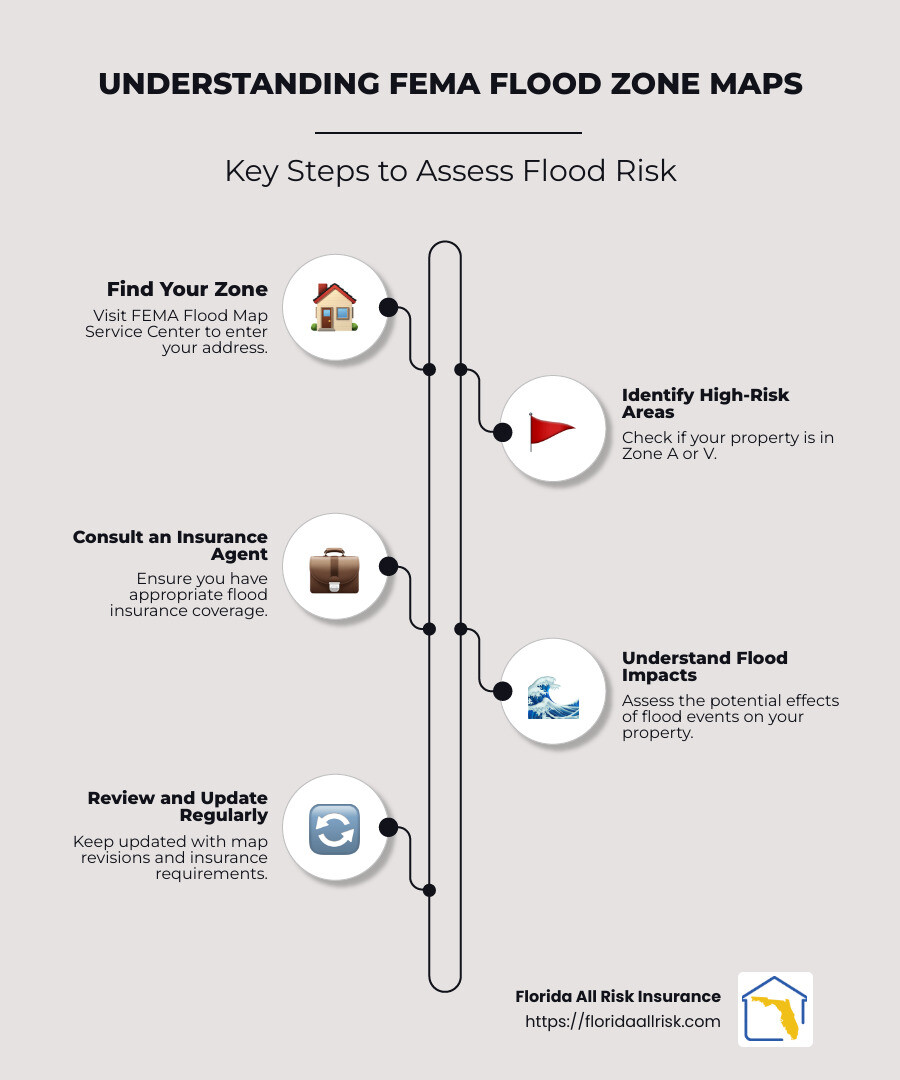
- Visit the FEMA Flood Map Service Center: Enter your address to find your flood zone.
- Check if your property is in a high-risk area (Zones A and V): These areas have a higher probability of floods.
- Consult with your insurance agent: Get the right flood insurance to protect your investment.
As an expert in the insurance field, I, Jason Miller, have spent over 20 years helping homeowners steer complex insurance landscapes, including understanding the fema flood zone map. My goal is to offer clear, effective guidance so you can protect your home and loved ones.
Basic fema flood zone map terms:
– do all homes in florida require flood insurance
– does flood zone ae require flood insurance in florida
– how much does flood insurance cost in florida
Understanding FEMA Flood Zone Maps
FEMA flood zone maps are essential tools for understanding flood hazards in your area. These maps are part of the National Flood Insurance Program (NFIP) and are designed to help communities and property owners identify areas at risk of flooding.
What Are FEMA Flood Zone Maps?
FEMA flood maps, also known as Flood Insurance Rate Maps (FIRMs), show the likelihood of flooding in a particular area. They categorize areas into different flood zones based on their risk level. The maps are updated periodically to reflect changes in geography, construction, and weather patterns.
- High-risk areas (Zones A and V): These zones have at least a 1% annual chance of flooding. If you own property in these zones, flood insurance is typically required by lenders.
- Moderate-to-low-risk areas (Zones B, C, and X): These zones have a lower probability of flooding. While flood insurance isn’t required, it’s still recommended.
Why Are They Important?
Understanding your flood zone is crucial for several reasons:
- Insurance Requirements: If your home is in a high-risk area, flood insurance is usually mandatory.
- Financial Protection: Knowing your flood zone helps you decide on the right insurance coverage to protect your property.
- Community Planning: Communities use these maps to plan for flood risk reduction and emergency response.
How to Access FEMA Flood Zone Maps
To find your flood zone, visit the FEMA Flood Map Service Center. Simply enter your address to view the flood map for your area. This will help you understand your property’s flood risk and make informed decisions about flood insurance.

FEMA flood maps are more than just lines on a map; they’re a vital tool for protecting your home and community from the risks of flooding. By understanding these maps, you can take proactive steps to safeguard your property and ensure peace of mind.
How to Use the FEMA Flood Map Service Center
The FEMA Flood Map Service Center (MSC) is your go-to resource for understanding flood risk. It provides access to a wide range of flood hazard products, including digital flood maps, which are crucial for homeowners, community officials, and insurance professionals.
Navigating the Flood Map Service Center
-
Visit the MSC Website: Start by going to the FEMA Flood Map Service Center. This is the official platform for accessing flood maps and related information.
-
Search by Address: Use the search bar to enter your property’s address. This will help you locate the specific flood map for your area. You can also move the location pin on the map to adjust the area you’re interested in.
-
View and Download Maps: Once you find your area, you can view the flood map online. The MSC allows you to download a dynamic FIRMette, which is a section of the flood map that includes your area of interest. This feature is especially useful during peak times when generating maps might take longer.
Understanding Flood Hazard Products
The MSC offers more than just maps. It provides various flood hazard products that give you a comprehensive understanding of your area’s flood risk:
- Flood Insurance Rate Maps (FIRMs): These show flood zones and are essential for determining flood insurance requirements.
- Flood Risk Products: These include reports and datasets that provide detailed flood risk information.
- Levee and Coastal Flood Risk Tools: These help communities understand specific risks related to levees and coastal areas.
Why Use Digital Flood Maps?
Digital flood maps are dynamic and frequently updated. They reflect changes in geography, construction, and climate patterns, ensuring you have the most current information. These maps are essential for:
- Insurance Decisions: Knowing your flood zone helps determine if flood insurance is necessary and what coverage you might need.
- Emergency Preparedness: Communities use these maps to plan for potential flooding and allocate resources effectively.
- Personal Safety: Understanding flood risks helps you make informed decisions about safeguarding your property and family.
By utilizing the FEMA Flood Map Service Center, you can access vital information that empowers you to make informed decisions about flood risk and insurance. This proactive approach not only protects your property but also contributes to community resilience against flooding.
Determining Your Property’s Flood Zone
Understanding your property’s flood zone is crucial for assessing property risk and determining whether you need flood insurance. The FEMA Flood Zone Map is the primary tool used for flood zone identification. Here’s how you can determine the flood zone of your property:
Using Flood Insurance Rate Maps (FIRMs)
Flood Insurance Rate Maps (FIRMs) are the official maps created by FEMA. They show different flood zones and help identify areas at risk of flooding. Here’s how you can use them:
-
Access the Map: Visit the FEMA Flood Map Service Center and enter your property’s address to view the relevant FIRM.
-
Identify Your Flood Zone: Once you access the map, look for your property’s location. Zones are typically marked with letters such as A, V, B, C, or X, indicating the level of flood risk.
-
Understand the Zone Designations:
- Zone A: High-risk area. Flood insurance is usually required.
- Zone V: High-risk coastal area. Properties here face additional risks from storm surges.
- Zones B, C, and X: Moderate to low-risk areas. Flood insurance is optional but recommended.
Why Knowing Your Flood Zone Matters
Knowing your flood zone helps you understand the specific risks your property faces. This information is vital for making informed decisions about flood insurance and property protection measures.
- Insurance Requirements: Properties in high-risk zones often require flood insurance, especially if you have a federally backed mortgage.
- Financial Protection: Even in low-risk zones, having flood insurance can protect you from unexpected flood damages, which are typically not covered by standard homeowner’s insurance.
- Resale Value: Future buyers will want to know the flood risk, which can affect your property’s market value.
Steps to Take if You’re in a High-Risk Zone
If your property is in a high-risk zone, consider these steps:
- Purchase Flood Insurance: Look into the National Flood Insurance Program (NFIP) or private insurers for coverage options.
- Mitigate Risks: Implement flood-proofing measures, such as elevating utilities and installing flood barriers.
- Stay Informed: Regularly check for updates on flood maps and risk assessments, as these can change due to environmental factors and new data.
By understanding your flood zone and taking appropriate actions, you can protect your property and ensure peace of mind. The next section will explore the importance of flood insurance and how it can safeguard your investment.
Importance of Flood Insurance
Flood insurance is a vital safeguard for homeowners, especially those in areas prone to flooding. Unlike standard homeowner’s insurance, which typically excludes flood damage, flood insurance provides coverage for losses caused by flooding. This is crucial because floods can occur unexpectedly, and the costs of repairs can be financially devastating.
Why Flood Insurance Matters
Flood insurance is essential for several reasons:
- Financial Protection: Floods can cause extensive damage to homes and belongings. Without flood insurance, homeowners must cover these costs out of pocket, which can be overwhelming.
- Loan Requirements: If you have a federally backed mortgage and your property is in a high-risk flood zone (like Zone A or V), flood insurance is often mandatory.
- Peace of Mind: Knowing you’re covered allows you to focus on recovery and rebuilding without the stress of financial ruin.
The Role of the National Flood Insurance Program (NFIP)
The National Flood Insurance Program (NFIP), managed by FEMA, offers flood insurance to homeowners in participating communities. Here’s what you need to know:
- Who Can Get It: If your community participates in the NFIP, you can purchase a policy through private insurers or the NFIP Direct system.
- Types of Coverage: NFIP policies offer two types of coverage: structure insurance (for the building itself) and contents coverage (for personal belongings).
- Pricing: The cost of an NFIP policy depends on factors like your property’s flood zone, age, elevation, and number of floors.
Coverage Details
Flood insurance policies typically cover:
- Building Property: This includes the structure of your home and its foundation, electrical and plumbing systems, and major appliances.
- Personal Belongings: Items like furniture, clothing, and electronics are covered under contents insurance.
- Additional Costs: Some policies may also cover debris removal, loss avoidance, and compliance costs.
Considerations for Low-Risk Areas
Even if you’re in a moderate or low-risk area, flood insurance is worth considering. Properties in these zones are still at risk, and insurance can provide much-needed protection. In fact, you are five times more likely to experience a flood than a fire in your home over the next 30 years.
By investing in flood insurance, you ensure that your home and belongings are protected from the unpredictable nature of floods. In the next section, we’ll address some frequently asked questions about FEMA flood zone maps and how to determine your property’s risk level.
Frequently Asked Questions about FEMA Flood Zone Maps
Is my house in a flood zone?
Determining if your house is in a flood zone is crucial for understanding your flood risk. FEMA flood zone maps are a valuable resource for this. These maps show areas at risk of flooding and categorize them into different zones based on the likelihood of flooding.
To find out if your property is in a flood zone, you can use the FEMA Flood Map Service Center. Simply enter your address to see detailed flood hazard information. Properties in high-risk areas, like Zone A, have a 1% or higher chance of flooding each year. Being in such a zone often means flood insurance is required if you have a federally backed mortgage.
How to see flood zones in Google Maps?
While Google Maps is not specifically designed to show flood zones, you can use it to get a general idea of your location relative to known flood-prone areas. Here’s how:
- Search Your Address: Enter your address in Google Maps.
- Overlay FEMA Data: Use third-party tools or extensions that can overlay FEMA flood zone data onto Google Maps. These tools often show flood hazard symbols and color-coded zones.
While this method provides a quick overview, for accurate and official information, always refer to the FEMA Flood Map Service Center.
What is a FEMA Flood Zone A?
FEMA Flood Zone A is designated as a high-risk area for flooding. Properties in this zone are likely to experience flooding during significant weather events. Flood insurance is typically required for homes in Zone A, especially if you have a federally backed mortgage.
Zone A is broken down further to indicate potential floodwater heights and estimated flood occurrence over a 30-year mortgage period. This detailed information helps homeowners understand the specific risks and insurance requirements associated with their property.
Understanding your flood zone can greatly influence your insurance needs and preparedness plans. It’s essential to regularly check FEMA flood zone maps, especially if you live in areas prone to flooding.
By staying informed, you can make better decisions about flood insurance and protect your home from potential flood damage. In the next section, we’ll explore the importance of personalized service and custom coverage options with Florida All Risk Insurance.
Conclusion
Choosing the right insurance is essential, especially when it comes to protecting your home from flood damage. At Florida All Risk Insurance, we understand that every homeowner has unique needs. That’s why we offer personalized service and custom coverage options to ensure you get the best protection for your property.
Our team is dedicated to helping you steer the complexities of flood insurance and FEMA flood zone maps. We work closely with you to assess your specific risks and find the most suitable solutions. By providing access to a wide range of carriers, we ensure competitive rates and custom coverage that fits your situation.
Understanding your flood zone is just the first step. With our expertise, you can confidently secure the coverage you need to safeguard your home and assets. Whether you’re in a high-risk area or looking for peace of mind, we’re here to help every step of the way.
Explore our flood insurance options today and let us help you protect what matters most.