Commercial property insurance risk is a crucial element for businesses to consider when protecting against unforeseen events. It involves understanding and mitigating potential threats to your business property. Key risks include:
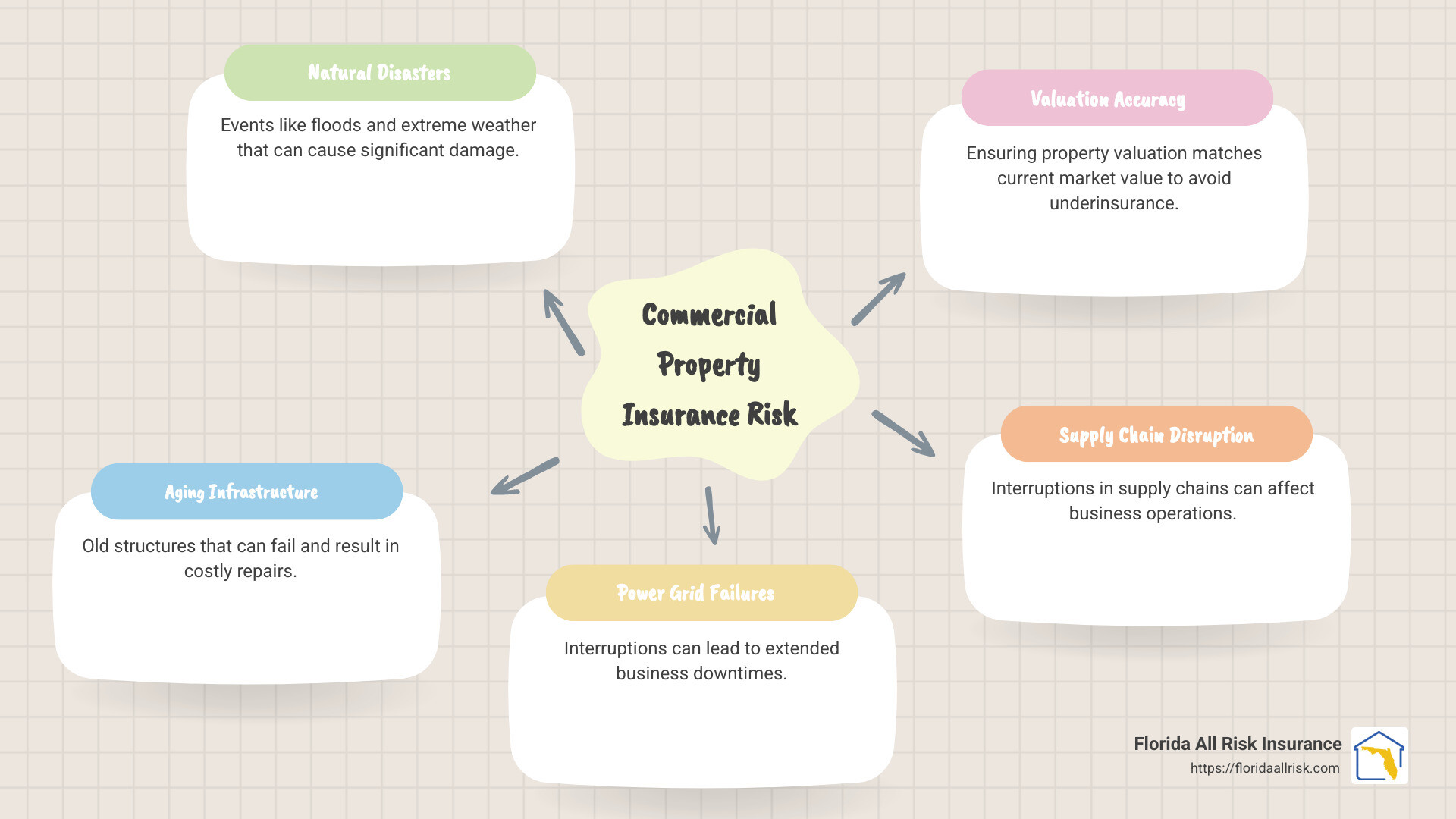
- Natural disasters like floods and extreme weather
- Aging infrastructure that can lead to structural failures
- Power grid failures causing lengthy downtimes
For any business, it’s essential to develop a robust risk assessment strategy to identify and reduce these risks effectively.
I’m Jason Miller, a seasoned expert in the field of commercial property insurance with over 20 years of experience in guiding businesses through the complexities of commercial property insurance risk. My goal is to help you secure your business assets by understanding and navigating potential risks.
Commercial property insurance risk basics:
– all risk commercial property insurance
– cheap commercial property insurance
– high risk commercial property insurance
Understanding Commercial Property Insurance Risk
When it comes to commercial property insurance risk, understanding the types of insurance available is key. Let’s break down the different forms: all-risk insurance, open peril insurance, and named perils.
All-Risk Insurance
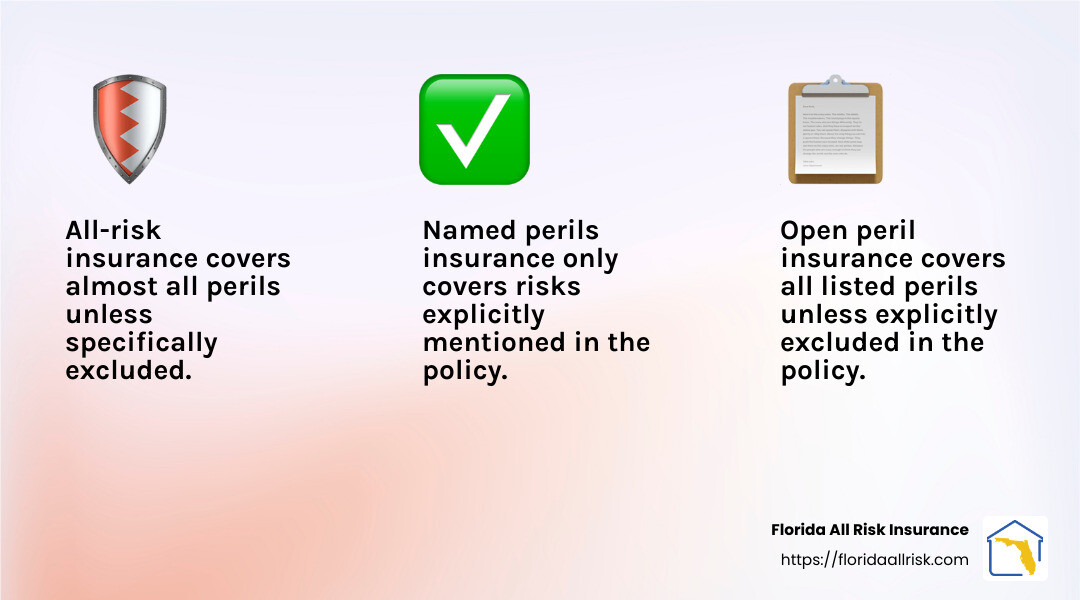
All-risk insurance is like a safety net that covers almost everything unless it’s specifically excluded. Imagine it’s a rainy day, and you have an umbrella that keeps you dry from all types of rain. That’s what all-risk insurance does for your business—it protects against most perils, except those explicitly stated in the policy. This type of coverage offers broad protection and is often preferred by businesses that want peace of mind.
Open Peril Insurance
Open peril insurance is similar to all-risk insurance. It covers all perils unless they are specifically excluded. Think of it as having a checklist of what’s not covered, rather than what is. This means if it’s not on the exclusion list, you’re covered. This type of insurance is ideal for businesses that want comprehensive coverage without worrying about listing every possible event.
Named Perils
On the other hand, named perils insurance only covers the risks that are explicitly mentioned in the policy. It’s like having a menu of what’s included. For example, if your policy lists fire, theft, and vandalism, those are the only events you’re protected against. This type of insurance is often more affordable but requires businesses to carefully assess which risks they are most likely to face.
Choosing the Right Coverage
Selecting the right type of insurance depends on your business needs and the specific commercial property insurance risks you face. For example, a business in a flood-prone area might prioritize flood coverage, while one in a high-crime area might focus on theft protection.
Understanding these differences can help you choose the right policy to protect your business assets effectively. Always consider consulting with a knowledgeable insurance expert who can guide you through the nuances of each type of coverage.
By understanding the nuances of these insurance options, you can better protect your business against the unexpected and ensure that you’re not caught off guard when a disaster strikes.
Next, we’ll dive into the Key Risks in Commercial Property Insurance, where we’ll explore specific threats such as aging infrastructure and extreme weather.
Key Risks in Commercial Property Insurance
When it comes to commercial property insurance risk, several key threats can significantly impact your business. Let’s explore some of these risks and why they matter.
Aging Infrastructure
The United States is facing a major challenge with its aging infrastructure. Repairing this infrastructure could cost a staggering $2.6 trillion. The risk here is real—just look at the Surfside Collapse in Florida in 2021, where a condominium building tragically collapsed due to long-term structural degradation. This highlights the importance of resilient construction to withstand such disasters.
Power Grid Failure
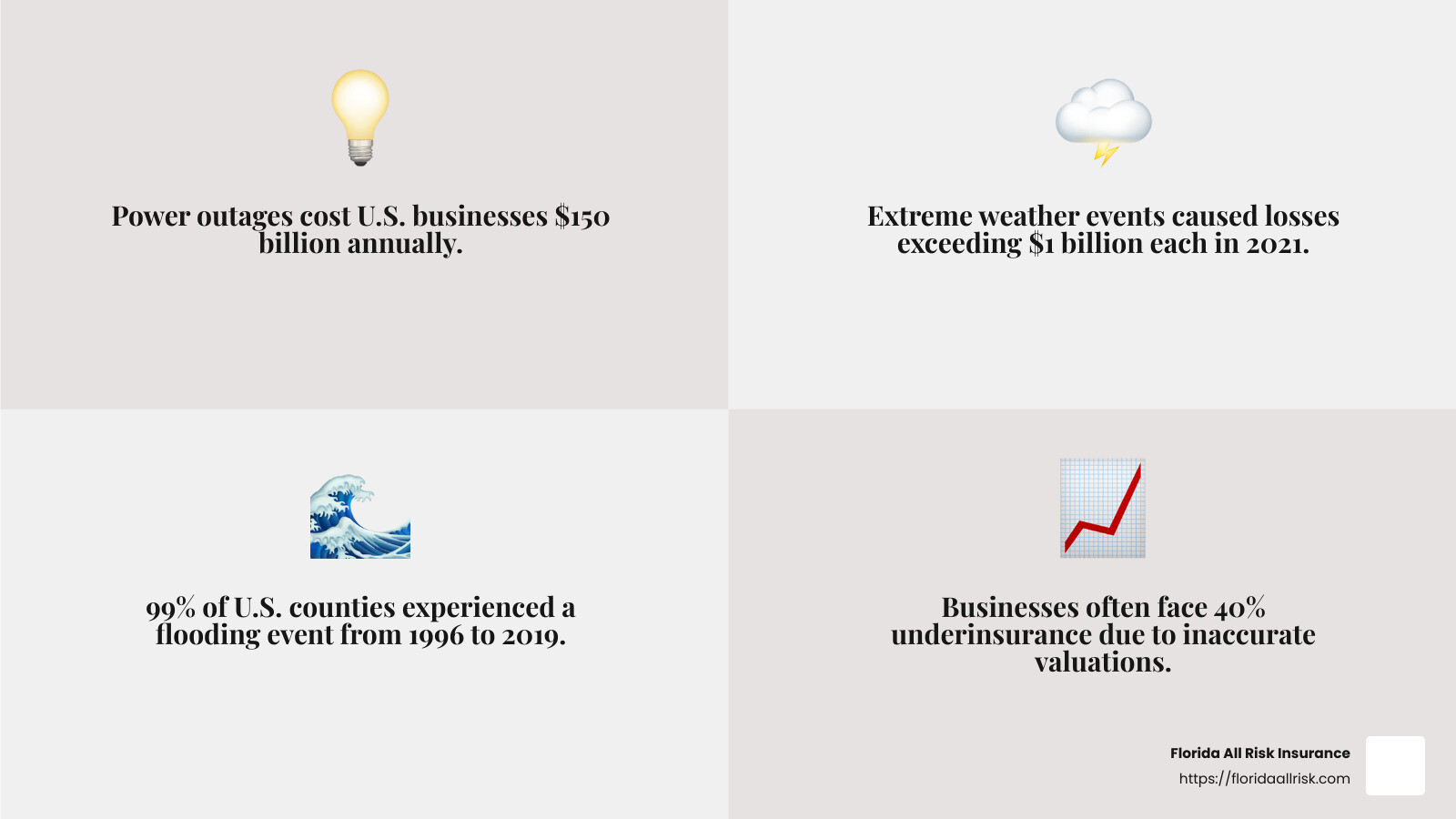
Power grid failures are another critical risk. Remember Winter Storm Uri in February 2021? It caused blackouts for over 9.9 million people. Power outages cost U.S. businesses $150 billion annually. Imagine your business coming to a standstill because of a prolonged power outage. This makes it crucial for businesses to have contingency plans in place.
Extreme Weather
Extreme weather events are becoming more frequent. In 2021, the National Oceanic and Atmospheric Administration (NOAA) reported 20 weather disaster events, each with losses exceeding $1 billion. This is much higher than the historical average. Businesses need to develop action plans to mitigate climate-related risks, especially those in hurricane-prone areas.
Flooding
Flooding is one of the most common natural disasters in the U.S. From 1996 to 2019, 99% of U.S. counties experienced a flooding event. Having a detailed response plan can help businesses minimize damage and secondary risks associated with flooding.
Valuation Accuracy
Many businesses are underinsured, with coverage falling short by an estimated 40%. This means that in the event of a loss, the current coverage might not meet the costs. Accurate valuations are crucial to ensure adequate coverage and avoid financial shortfalls.
Water Damage
Water damage is a leading cause of property claims. It can lead to costly repairs and business interruptions. There’s also the risk of mold and bacteria, which can cause health issues like Legionnaires’ disease. Businesses should invest in preventive measures to mitigate these risks.
Supply Chain Disruption
Supply chain disruptions, like those experienced during COVID-19, can severely impact businesses. With 94% of the Fortune 1000 companies affected in 2020, it’s clear that having a robust supply chain strategy is essential to manage such disruptions.
Protests and Civil Unrest
Protests and civil unrest can lead to significant property damage. Businesses need to be prepared for such events, ensuring they have adequate insurance coverage and security measures in place.
Inflation
Inflation can increase the cost of repairs and replacements, affecting the adequacy of your insurance coverage. Keeping your policy updated to reflect current values is essential to avoid being underinsured.
Understanding these risks is vital to safeguarding your business. By proactively addressing these threats, you can ensure your business is well-protected and resilient in the face of adversity.
Next, we’ll discuss The Impact of Underinsurance and how to avoid coverage gaps that could leave your business vulnerable.
The Impact of Underinsurance
Underinsurance is a silent threat that many businesses overlook until it’s too late. Imagine facing a major loss only to find that your insurance coverage falls short by a significant margin. Unfortunately, this is a reality for many businesses.
Underinsured Businesses
An alarming statistic reveals that an estimated 75% of businesses in the U.S. are underinsured by about 40%. This means that when disaster strikes, these businesses might not have sufficient funds to cover the full extent of their losses. This gap can lead to severe financial strain and, in some cases, may even force businesses to close their doors.
Valuation Accuracy
One of the primary reasons for underinsurance is inaccurate property valuation. Many businesses fail to regularly update their property valuations to reflect current market conditions and replacement costs. As a result, their insurance policies might not cover the true value of their assets. Partnering with experts who can provide precise valuations is crucial to ensure your coverage aligns with your business needs.
Coverage Gaps
Coverage gaps occur when a business’s insurance policy does not fully protect against all potential risks. These gaps can arise from not understanding policy exclusions or failing to update coverage as the business evolves. For instance, if a business expands its operations or acquires new assets, it must adjust its insurance policy accordingly. Regular policy reviews and consultations with insurance professionals can help identify and close these gaps.
Ensuring accurate valuations and comprehensive coverage is essential to protect your business from unforeseen financial burdens. By addressing the risk of underinsurance, you can safeguard your business’s future and maintain peace of mind.
Next, we’ll explore strategies for mitigating commercial property insurance risk and how you can take proactive steps to protect your business.
Strategies for Mitigating Commercial Property Insurance Risk
Mitigating commercial property insurance risk requires proactive planning and informed decision-making. Here are some key strategies to help protect your business:
Risk Management
Effective risk management begins with identifying potential threats to your property and operations. This includes natural disasters, equipment failures, and security breaches. By understanding these risks, you can implement measures to minimize their impact. Regular risk assessments and audits are essential tools in this process. They help ensure that your risk management strategies are up-to-date and comprehensive.
Resilient Construction
Investing in resilient construction is a smart way to safeguard your property against natural disasters and aging infrastructure. This means using materials and designs that can withstand extreme weather events like hurricanes and floods. For instance, buildings in hurricane-prone areas can benefit from reinforced roofing and impact-resistant windows. Resilient construction not only protects your property but can also reduce insurance premiums due to lower risk exposure.
Accurate Valuations
As mentioned earlier, accurate property valuations are crucial for adequate insurance coverage. Regularly updating your property valuations ensures that your insurance policy reflects the true value of your assets. This helps prevent underinsurance and guarantees that you have sufficient funds to rebuild or repair after a loss. Partner with valuation experts who understand market trends and can provide precise assessments.
Business Contingency Plans
A business contingency plan outlines how your business will continue to operate in the face of unexpected disruptions. This could include natural disasters, supply chain issues, or power outages. A well-developed plan should cover critical aspects like alternative suppliers, backup power sources, and communication strategies. By preparing for the unexpected, you can minimize downtime and financial losses.
Implementing these strategies can significantly reduce your commercial property insurance risk. By taking proactive steps, you can protect your business from unforeseen events and ensure its long-term success.
Next, we’ll address some frequently asked questions about commercial property insurance risk to further clarify this essential topic.
Frequently Asked Questions about Commercial Property Insurance Risk
What is all-risk commercial property insurance?
All-risk commercial property insurance, also known as open peril insurance, is a type of policy that covers a wide range of risks unless they are specifically excluded. This means that if a peril isn’t mentioned in the exclusions, it’s covered. This contrasts with named perils policies, which only cover risks explicitly listed in the policy. While all-risk insurance offers broad coverage, carefully review the exclusions to understand what isn’t covered.
What commercial property has the most risk?
Big office buildings, especially those located in major U.S. cities, often carry significant risk. These structures face various threats, including structural damage from natural disasters, theft, and liability issues due to high foot traffic and occupancy. The concentration of valuable assets and the potential for large-scale damage make them high-risk properties. Additionally, their locations in urban areas can expose them to risks like civil unrest or protests, which can lead to property damage.
What are the three types of risks covered by property insurance?
Commercial property insurance typically covers three main types of risks:
-
Structural damage: This includes damage to the building itself from events like fires, storms, or other disasters. Ensuring your policy covers these risks is crucial for maintaining the integrity of your property.
-
Theft: Coverage for theft protects your business against the loss of inventory, equipment, and other valuable items. Given the potential for repeated thefts, as highlighted in recent studies, having robust theft coverage is vital.
-
Liability coverage: This protects your business from claims related to injuries or damages that occur on your property. Liability coverage is essential for businesses that interact with the public or have employees working on-site.
Understanding these coverage areas helps businesses choose the right policy to protect against the most common risks. By addressing these frequently asked questions, you can better steer the complexities of commercial property insurance and make informed decisions for your business’s protection.
Conclusion
At Florida All Risk Insurance, we understand that navigating the complexities of commercial property insurance can be daunting. That’s why we’re here to offer personalized service and custom coverage custom to your unique needs.
Our team is dedicated to helping businesses like yours manage commercial property insurance risk effectively. With our comprehensive approach, we ensure that you have the right protection in place, whether you’re concerned about structural damage, theft, or liability issues.
We believe that personalized service is key. Every business is different, and we take the time to understand your specific situation. By doing so, we can offer custom coverage that addresses your particular risks and ensures you’re not underinsured.
Whether you’re a small business owner or managing a large commercial property, our goal is to provide peace of mind by safeguarding your assets against unforeseen events.
For more information on how we can help protect your business, visit our Commercial Property Insurance page. Let us help you secure the future of your business today.