Business insurance for small businesses is a vital safety net that shields both owners and their enterprises from unexpected risks. Whether you’re a startup or a growing small business, securing the right insurance means you’re covered against financial disasters like lawsuits, property damage, or even product liabilities.
Quick answer for business insurance:
– Protects personal and business assets
– Legally required for specific industries
– Covers liabilities and unexpected events
In today’s competitive business landscape, understanding the importance of business insurance is crucial for long-term success. Not only does it offer protection, but it also fosters confidence, attracting more clients and opportunities.
I’m Jason Miller, a second-generation insurance professional with over 20 years of experience in guiding small businesses through the complexities of business insurance. With my background in construction engineering and extensive knowledge, I’m here to help you steer your business insurance needs and ensure your enterprise is well-protected for the future.
Understanding Business Insurance for Small Businesses
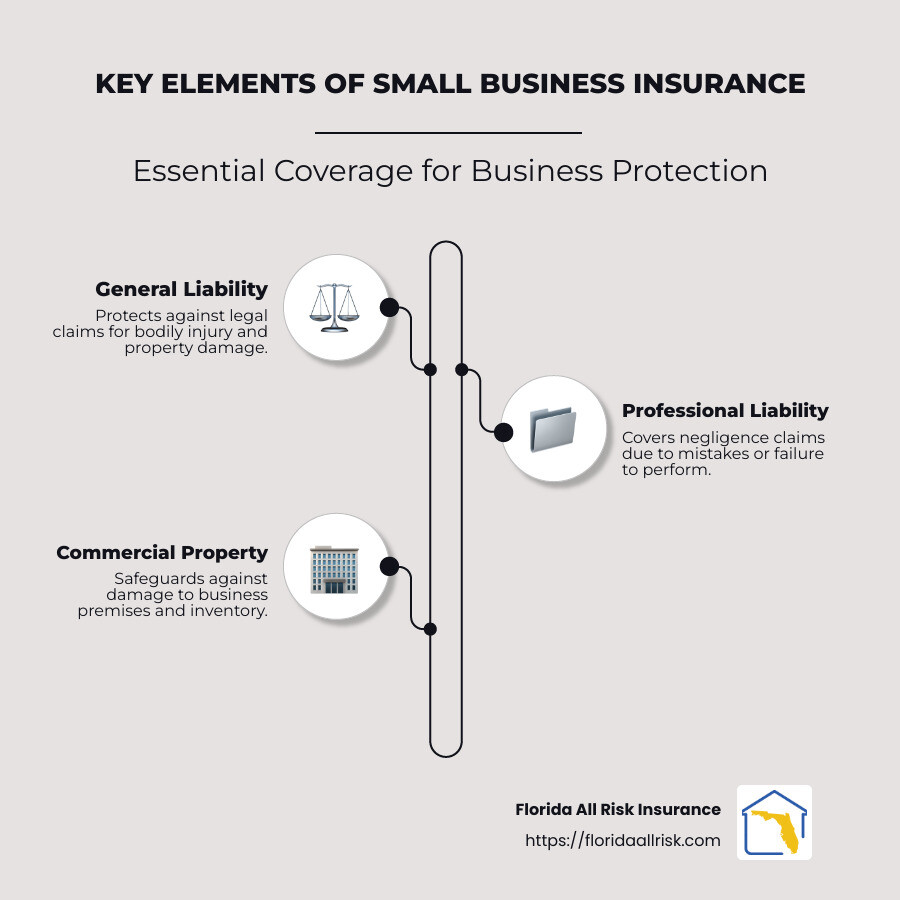
When it comes to business insurance for small businesses, there are three primary types you should know about: general liability, professional liability, and commercial property insurance. Each serves a unique purpose in protecting your business from different kinds of risks.
General Liability Insurance
General liability insurance is like a trusty shield for your business. It covers claims related to bodily injuries, property damage, and even advertising mishaps. For instance, if a customer slips on a wet floor in your store, this insurance helps cover medical expenses and legal fees, regardless of fault.
Why it matters: Nearly every small business can benefit from this coverage. Whether you run a coffee shop or a tech startup, accidents happen, and having general liability insurance ensures you’re not left footing the bill alone.
Professional Liability Insurance
Also known as errors and omissions (E&O) insurance, this coverage is essential for businesses that provide services or advice. It protects against claims of negligence or mistakes in your professional services. Imagine you’re a consultant, and a client sues you for giving advice that led to financial loss. Professional liability insurance steps in to cover legal costs and damages.
Who needs it: If your business involves giving expert advice or services, like accounting or consulting, this insurance is a must-have.
Commercial Property Insurance
This type of insurance covers damage to your business’s physical assets, such as buildings, equipment, and inventory. Events like fires, storms, or vandalism can wreak havoc on your property, and commercial property insurance helps you recover by covering repair or replacement costs.
Key point: If your business relies on physical assets, like a restaurant or retail store, this insurance is crucial to get back on your feet after unexpected damage.
In summary, understanding these types of insurance is essential for safeguarding your small business. From unexpected accidents to professional mishaps and property damage, having the right coverage ensures you’re prepared for whatever comes your way.

Next, we’ll dive into the different types of business insurance available and how they can protect your business from various risks.
Types of Business Insurance
When it comes to protecting your small business, understanding the types of insurance available is key. Let’s explore some of the essential options:
General Liability Insurance
General liability insurance is a foundational coverage for any business. It protects against claims of bodily injury, property damage, and even personal injury like slander or libel. Imagine a customer trips over a loose carpet in your office and breaks an arm. This insurance covers the medical costs and any legal fees that might arise.
Why it’s essential: Most businesses face risks that could lead to costly lawsuits. This insurance helps ensure those risks don’t turn into financial disasters.
Professional Liability Insurance
Also known as errors and omissions (E&O) insurance, professional liability insurance covers businesses that provide services or advice. It protects against negligence claims related to mistakes or failures in your professional services. For example, if a client claims your advice led to a loss, this insurance covers legal defense and any settlement costs.
Who needs it: If your business involves consulting, legal advice, or any professional services, this coverage is crucial.
Commercial Auto Insurance
If your business owns or uses vehicles, commercial auto insurance is necessary. It covers liability and physical damage for vehicles used for business purposes. Whether you’re delivering goods or traveling to job sites, this insurance protects your business from accidents and related costs.
Key point: Make sure the business is listed as the principal insured to avoid confusion during claims.
Workers’ Compensation Insurance
Workers’ compensation insurance is a must if you have employees. It covers medical expenses and lost wages for employees injured on the job. This insurance not only protects your employees but also shields your business from lawsuits related to workplace injuries.
Why it’s required: Most states mandate this coverage to ensure employees are protected and employers are financially safeguarded.
Data Breach Insurance
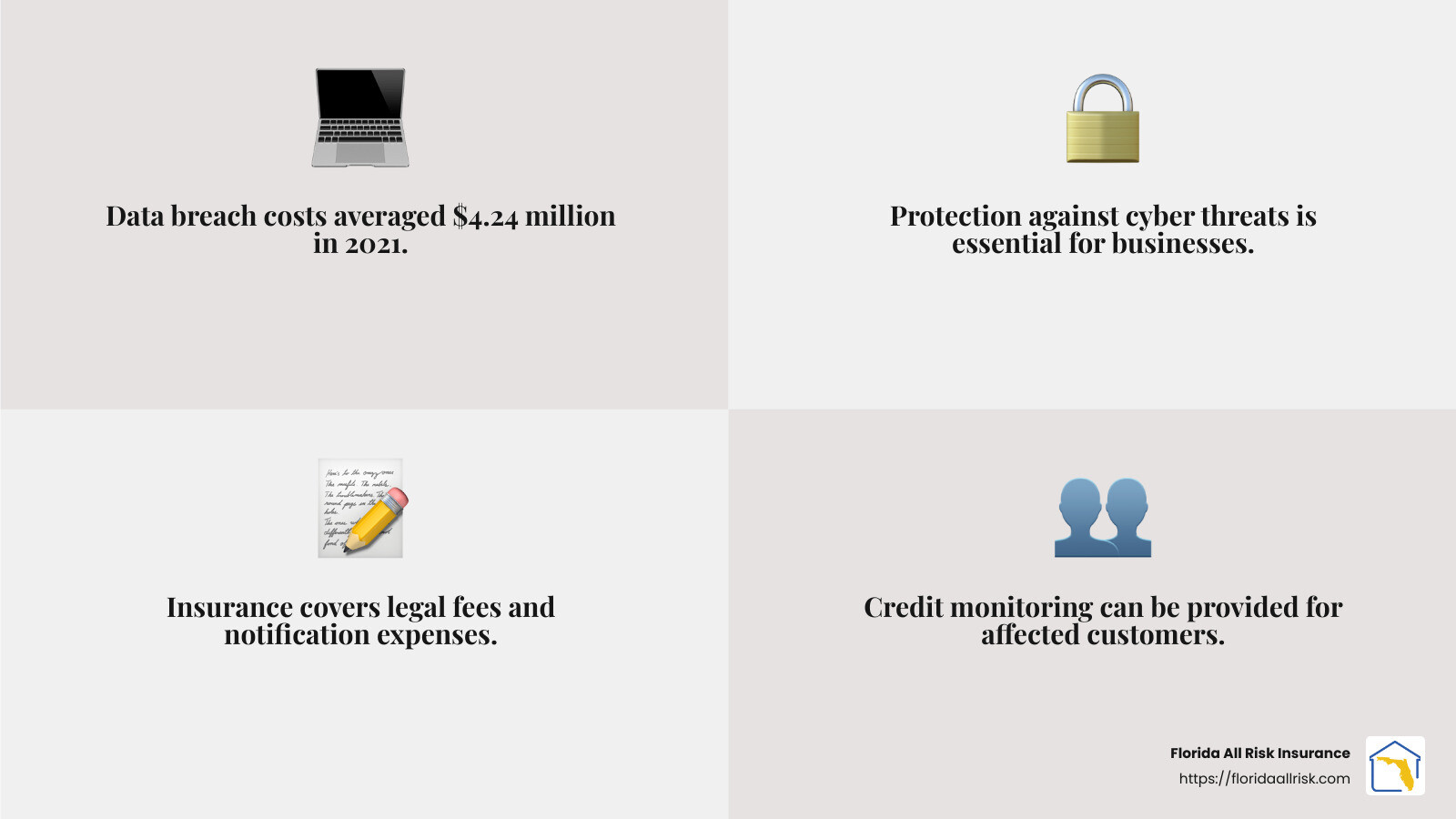
In today’s digital age, data breaches are a real threat. Data breach insurance helps cover costs associated with data loss or theft, including legal fees, notification expenses, and even credit monitoring for affected customers. If your business stores sensitive customer information, this insurance is a wise investment.
Importance: With increasing cyber threats, protecting your business from data breaches is more critical than ever.
Understanding these types of business insurance ensures you’re well-equipped to handle the unexpected. Each type addresses different risks, providing comprehensive protection for your small business.
Next, we’ll explore how much business insurance costs and the factors that influence these expenses.
How Much Does Business Insurance Cost?
When you’re running a small business, understanding the costs associated with business insurance is crucial. Let’s break it down into simple terms.
Average Cost
The cost of business insurance for small businesses can vary widely. For instance, a Business Owner’s Policy (BOP), which bundles general liability and property insurance, typically starts between $300 and $500 annually. Meanwhile, professional liability insurance can range from $300 to $500 per year.
Why the range? Insurance costs depend on factors like your business type, location, and the specific risks involved. For example, a retail store might pay less than a construction company due to differing risk levels.
Factors Affecting Cost
Several factors can influence how much you’ll pay for business insurance:
-
Industry or Profession: High-risk industries like construction often face higher insurance premiums compared to lower-risk businesses like consulting.
-
Business Location: If your business is in an area prone to natural disasters or high crime rates, expect to pay more for coverage.
-
Claims History: A history of frequent claims can lead to higher premiums, as insurers might see your business as a higher risk.
-
Number of Employees and Customers: More employees or a larger customer base can increase your liability and, consequently, your insurance costs.
Bundling Coverages
Bundling multiple types of insurance into a single policy can be a cost-effective strategy. Many insurers offer discounts when you combine coverages like general liability, property, and commercial auto insurance into a BOP. This not only saves money but also simplifies the management of your policies.
Pro Tip: Always compare terms and prices from different providers to ensure you’re getting the best deal. Bundling can be beneficial, but it’s important to make sure all your specific risks are covered.
Understanding these cost factors helps you make informed decisions about your business insurance needs. Next, we’ll guide you through the steps to choose the right insurance for your small business.
Steps to Choose the Right Insurance
Choosing the right business insurance for small businesses doesn’t have to be complicated. Follow these simple steps to ensure you’re covered without overpaying.
Assess Your Risks
Start by identifying the risks your business faces. Think about what could go wrong and what could cost you money. Are you worried about customer injuries, property damage, or data breaches? Make a list of these potential risks. This will help you decide what types of coverage you need.
Find a Reputable Agent
Once you know your risks, it’s time to find an insurance agent. Look for someone with experience in your industry. A good agent will understand your specific needs and help you find policies that cover your risks. Ask for recommendations or read online reviews to find a trustworthy agent.
Compare Terms and Prices
Don’t settle for the first quote you get. Compare terms and prices from different providers. Look at what each policy covers and what it doesn’t. Pay attention to deductibles and coverage limits. Sometimes, a cheaper policy might not offer the protection you need.
Pro Tip: Consider a Business Owner’s Policy (BOP) to bundle coverages like general liability and property insurance. This can save money and simplify your insurance management.
Reassess Annually
Your business will change over time, and so will your insurance needs. Make it a habit to review your policies every year. If you’ve added new services, bought new equipment, or expanded your operations, you might need more coverage. Talk to your agent about any changes to ensure you’re still adequately protected.
By following these steps, you can confidently choose the right insurance for your small business. Next, we’ll address some frequently asked questions that small business owners often have about insurance.
Frequently Asked Questions about Business Insurance for Small Businesses
What is the best insurance for a small business?
The best insurance for a small business is one that offers custom coverage custom to your specific needs. Every business is unique, and a one-size-fits-all policy might leave gaps in your protection. Work with an insurance provider that offers personalized service to ensure your policy covers all potential risks, such as general liability for accidents and professional liability for errors or negligence. This approach provides peace of mind, knowing that your business is protected against the risks it faces.
How much is a $2 million dollar insurance policy for a business?
The cost of a $2 million insurance policy for a business can vary widely based on several factors, including the type of business, its location, and the specific risks involved. On average, premiums for general liability coverage with a $2 million limit might range from $500 to $1,000 per year for small businesses. However, businesses in higher-risk industries might pay more. It’s important to get quotes from multiple providers to find the best rate for your specific situation. That bundling different types of coverage, like a Business Owner’s Policy (BOP), can often reduce costs.
What type of insurance do you need to own a business?
Owning a business typically requires several types of insurance to cover various risks:
-
General Liability Insurance: This is crucial for any business as it protects against claims of bodily injury, property damage, and personal injury.
-
Professional Liability Insurance: Also known as Errors and Omissions (E&O) insurance, this is essential for businesses that provide services or advice. It covers claims of negligence or mistakes in the services provided.
-
Commercial Auto Insurance: If your business uses vehicles, this insurance covers damage and liability for vehicles used in business operations.
-
Workers’ Compensation Insurance: Required in most states if you have employees, this covers medical expenses and lost wages for work-related injuries or illnesses.
Each business’s needs will vary, so it’s important to assess your specific risks and consult with an insurance agent who understands your industry to ensure comprehensive coverage.
Conclusion
At Florida All Risk Insurance, we understand that every small business is unique. That’s why we offer custom coverage custom to meet your specific needs. Our approach ensures that your business is protected against the unexpected, from general liability to professional liability and beyond.
We pride ourselves on providing personalized service. Our team works closely with you to understand your business’s unique risks and challenges. This means you get a policy that truly fits, without overpaying for unnecessary coverage or leaving critical gaps.
Choosing the right business insurance is crucial for safeguarding your future. With our expertise and commitment to client satisfaction, you can trust us to help you steer the complexities of business insurance. Whether you’re just starting out or looking to reassess your existing coverage, we are here to support you every step of the way.
Explore our General Liability Insurance options to learn more about how we can protect your business today. Let us help you insure your future with confidence.