How much does flood insurance cost in Florida? On average, Floridians pay about $781 annually for coverage through the National Flood Insurance Program (NFIP). Private insurers may offer different rates, so it’s wise to shop around for the best deal. If you’re considering flood insurance, these figures give you a starting point for budgeting and planning.
Flooding is a significant risk for homeowners in Florida. Thanks to hurricanes, tropical storms, and rising sea levels, the Sunshine State faces unique challenges. But flood insurance helps protect your home from the damages these natural events can cause. Whether you live along the coast or in inland areas, understanding the costs and benefits of flood insurance is crucial.
I’m Jason Miller, a second-generation insurance professional with over 20 years of experience helping Florida homeowners like you find the right insurance solutions. My goal is to simplify how much does flood insurance cost in Florida so you can make informed decisions.
Understanding Flood Insurance in Florida
Flood insurance is a crucial consideration for Florida homeowners, given the state’s vulnerability to flooding from hurricanes, tropical storms, and rising sea levels. But understanding the options and costs can be tricky. Let’s break it down.
NFIP vs. Private Insurance
In Florida, you have two main options for flood insurance: the National Flood Insurance Program (NFIP) and private insurance companies.
-
NFIP: Managed by FEMA, the NFIP is the most common choice. It offers federally backed policies with building coverage up to $250,000 and personal property coverage up to $100,000. The average cost is about $792 per year, slightly below the national average. However, coverage limits may not be sufficient for all homeowners.
-
Private Insurance: Private flood insurance can offer higher coverage limits than the NFIP, which is beneficial if your property value exceeds NFIP limits. However, premiums can be higher, and availability varies. It’s worth shopping around to compare policies and find the best fit for your needs.
Flood Zones and Their Impact
A key factor in determining your flood insurance cost is your property’s flood zone designation.

-
High-Risk Zones: Properties in zones labeled with an “A” or “V” are considered high-risk. These areas are more prone to flooding, leading to higher insurance premiums. If you have a federally backed mortgage and live in one of these zones, flood insurance is mandatory.
-
Moderate-to-Low-Risk Zones: Zones labeled “B,” “C,” or “X” are considered to have a lower risk of flooding. However, even homes in these areas account for over 25% of NFIP claims. While insurance is not mandatory here, it is highly recommended.
Understanding how flood zones affect insurance costs is vital. The NFIP uses these designations to calculate premiums, and private insurers may do the same.
Elevation and Other Factors
Elevation plays a significant role in determining flood insurance costs. Homes built at higher elevations or with lifted structures may qualify for lower premiums. Providing an elevation certificate can help prove your eligibility for discounts.
Other factors include the property’s construction type, the number of floors, and proximity to water sources. Each of these can influence your insurance premium, making it essential to assess your home’s specific risks.
In summary, whether you choose NFIP or private insurance, understanding your flood zone and property characteristics is key to finding the best flood insurance for your Florida home.
Next, we’ll dive into whether flood insurance is mandatory in Florida and what that means for you.
How Much Does Flood Insurance Cost in Florida?
Flood insurance is a critical investment for homeowners in Florida. The state’s unique geography and weather patterns make it prone to flooding. But how much does flood insurance cost in Florida? Let’s explore the average costs and the factors that can affect your premium.
Factors Influencing Flood Insurance Costs
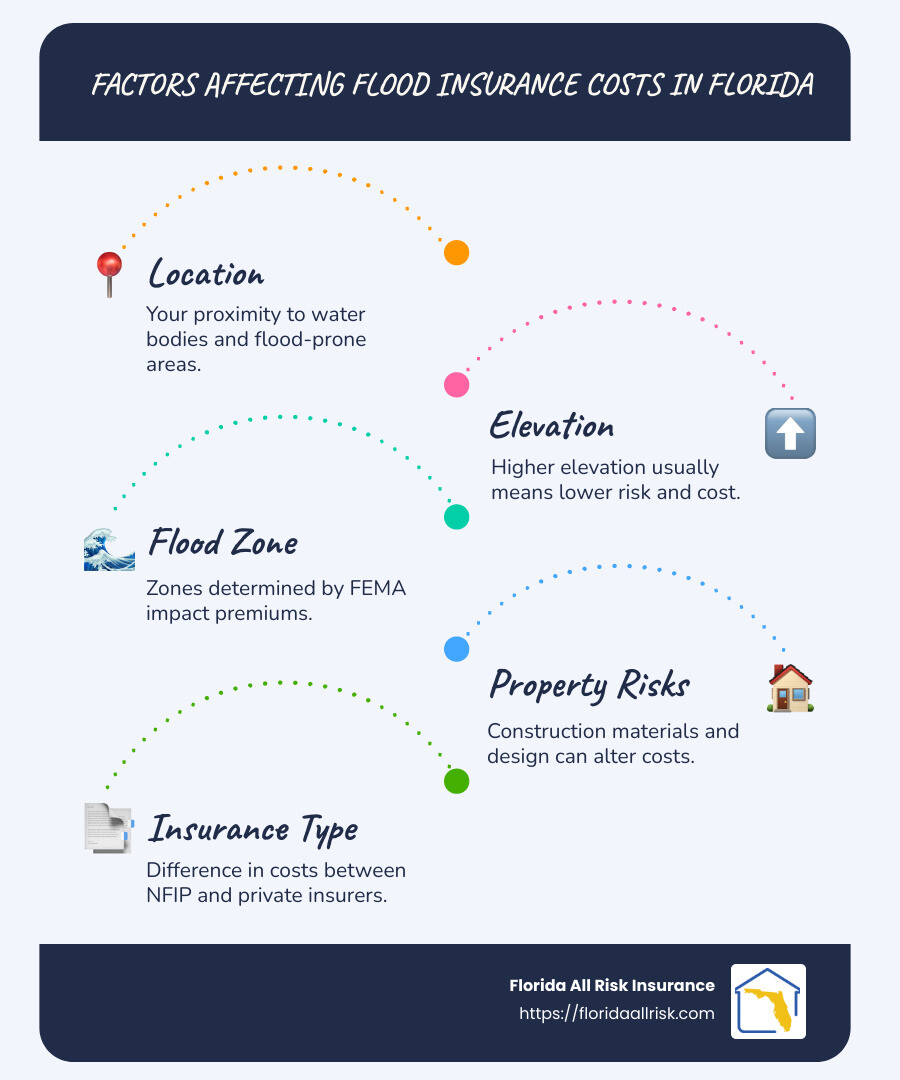
The average cost of flood insurance in Florida through the NFIP is approximately $792 per year. However, this figure can vary widely based on several factors:
-
Location: Your property’s location is the most significant factor. Homes in high-risk flood zones (designated as “A” or “V”) generally face higher premiums. In contrast, those in moderate-to-low-risk zones (“B,” “C,” or “X”) may enjoy lower rates, though it’s important to note that even these areas account for over 25% of NFIP claims.
-
Elevation: Properties located at higher elevations or with liftd structures can benefit from reduced premiums. An elevation certificate, which details your property’s lowest floor height, can help you qualify for discounts.
-
Flood Zone Designation: The flood zone your property is in affects your risk level and, consequently, your insurance premium. High-risk zones require mandatory flood insurance if you have a federally backed mortgage.
-
Property Risks: Construction type, the number of floors, and proximity to water sources also play roles in determining costs. Homes with features that mitigate flood damage, like liftd HVAC systems, may receive premium reductions.
Comparing NFIP and Private Insurance
When choosing flood insurance, homeowners in Florida can opt for NFIP coverage or explore private insurance options. Here’s how they compare:
-
Coverage Limits: NFIP policies offer building coverage up to $250,000 and personal property coverage up to $100,000. Private insurers might provide higher limits, which can be crucial for properties with values exceeding NFIP’s caps.
-
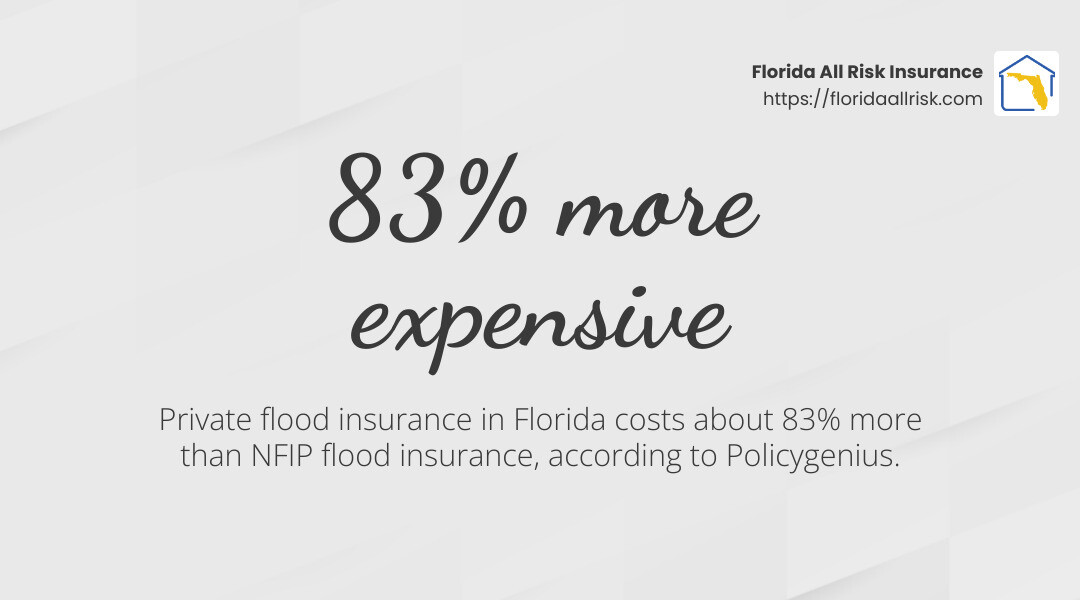
Premium Differences: While NFIP provides a standardized rate structure, private insurance premiums can vary significantly. On average, private flood insurance in Florida costs around $1,479 annually, which is about 83% more expensive than NFIP coverage.
-
Eligibility: NFIP policies are widely available, but private insurance availability can differ based on location and provider. Some private insurers may offer competitive rates in areas where NFIP rates are higher due to risk assessments.
Understanding these factors can help you make an informed choice between NFIP and private insurance. It’s essential to consider your property’s specific characteristics and risks to find the most suitable and cost-effective flood insurance option.
Next, we’ll explore whether flood insurance is mandatory in Florida and how this affects homeowners.
Is Flood Insurance Mandatory in Florida?
In Florida, whether flood insurance is mandatory often depends on your mortgage requirements and the flood zone your property is in. Here’s a breakdown of the situations where you might be required to have flood insurance:
-
Mortgage Requirements: If you have a mortgage from a federally regulated or insured lender, like an FHA loan, and your home is in a high-risk flood zone, you are required to have flood insurance. This is because lenders want to protect their investment in your property, which serves as collateral for the loan.
-
Special Flood Hazard Areas (SFHAs): Properties located in SFHAs, as designated by the Federal Emergency Management Agency (FEMA), are considered high-risk. In these zones, flood insurance is typically mandatory for homeowners with a mortgage. SFHAs are areas where there is at least a 1% annual chance of flooding, also known as a 100-year flood zone.
-
Citizens Property Insurance Corporation: For homeowners insured by Citizens, Florida’s state-backed insurer, flood insurance requirements are phased in based on the home’s value. As of July 1, 2023, existing policyholders must have flood insurance. For homes with coverage of $600,000 or more, the requirement began on January 1, 2024, and it will extend to lower values over the next few years. By January 1, 2027, all Citizens-insured homes will need flood insurance, except for certain exemptions like condos or policies without wind coverage.
Even if flood insurance isn’t mandatory for your property, it’s wise to consider it. More than 25% of flood claims come from outside high-risk areas, underscoring the importance of coverage even in moderate-to-low-risk zones.
Next, we’ll discuss ways to potentially lower your flood insurance premium.
How to Lower Your Flood Insurance Premium
Flood insurance can be costly, but there are smart ways to reduce your premium. Here are some effective strategies:
Get an Elevation Certificate
An elevation certificate (EC) is a document that shows your property’s elevation relative to the estimated height floodwaters might reach. It provides detailed information about your home’s flood risk. Having an EC can help you qualify for lower premiums by proving your home is at a lower flood risk than initially assessed.
-
How to Get One: Check with your local floodplain manager to see if an EC already exists for your home. If not, hire a qualified engineer, land surveyor, or architect to prepare one for you.
-
Benefits: Submitting an EC to your insurance agent could show that your home is liftd above the base flood elevation, potentially leading to reduced insurance costs.
Home Updates and Mitigation Efforts
Making updates to your home can also lower your flood insurance premium. Consider these improvements:
-
Lift Utilities: Move important systems like HVAC units and water heaters to higher floors or liftd platforms. FEMA often provides discounts for such efforts.
-
Install Flood Vents: Flood vents allow water to flow through a building’s foundation, reducing the risk of structural damage. This can also qualify you for premium reductions.
-
Fill Basements: Homes with basements are more prone to flood damage. Filling in basements or turning them into solid foundations can lower your risk and potentially reduce your premium.
Note: These projects can be costly, so consult with your insurance agent to understand the potential savings before making any investments.
Adjust Your Deductible
Another way to manage your flood insurance costs is by adjusting your deductible. A deductible is the amount you pay out of pocket before your insurance coverage kicks in.
-
Higher Deductible: Opting for a higher deductible can lower your annual premium. However, be sure you’re comfortable with the amount you’ll need to pay if you file a claim.
-
Separate Deductibles: NFIP policies often have separate deductibles for building and contents coverage. Make sure you can afford both if needed.
By taking these steps, you can make flood insurance more affordable while still protecting your home from potential flood damage.
Next, we’ll address some frequently asked questions about flood insurance in Florida.
Frequently Asked Questions about Flood Insurance in Florida
Is Flood Insurance Worth It in Florida?
Absolutely. Even if you live in a moderate-to-low-risk zone, flood insurance can be a smart investment. According to FEMA, 25% of flood insurance claims come from areas that are not considered high-risk. This means that flooding can happen almost anywhere, and having insurance provides peace of mind and financial protection.
Does Home Insurance Cover Flood Damage in Florida?
No, standard homeowners insurance typically does not cover flood damage. This is a common misconception. Homeowners insurance usually covers water damage from internal sources like burst pipes but excludes damage caused by external flooding. To protect your home from flood-related damages, you need a separate flood insurance policy.
Can I Get Discounts on Flood Insurance in Florida?
Yes, there are opportunities for discounts. FEMA offers various discounts, especially for properties that implement mitigation efforts:
-
Pre-FIRM Residences: Homes built before the first Flood Insurance Rate Map (FIRM) may qualify for discounts.
-
Mitigation Efforts: Taking steps such as elevating your home or installing flood vents can reduce your flood risk and potentially lower your premiums.
-
Newly Mapped Properties: If your property has been newly mapped into a high-risk area, you may be eligible for discounted rates initially.
These discounts aim to encourage property owners to reduce their flood risk, making insurance more affordable while promoting safety. Always consult with your insurance agent to explore available discounts and ensure you’re getting the best rate possible.
Next, we’ll explore whether flood insurance is mandatory in Florida and what requirements might apply to you.
Conclusion
At Florida All Risk Insurance, we understand the unique challenges faced by homeowners across Florida, especially when it comes to protecting your property from floods. Our goal is to provide you with personalized service and competitive rates that fit your specific needs.
Flood insurance is an essential safeguard for your home, and we’re here to help you steer the complexities of choosing the right policy. Whether you are considering coverage through the National Flood Insurance Program (NFIP) or exploring private insurance options, our team is ready to guide you every step of the way.
We work closely with a wide range of carriers to ensure you have access to the best coverage options available. Our experienced agents take the time to understand your circumstances, offering custom advice that aligns with your budget and risk profile.
Protecting your home doesn’t have to be complicated. Let us help you find the perfect flood insurance solution that offers peace of mind and financial security.
For more information on how we can assist you with flood insurance, visit our Flood Insurance Coverage page. We’re committed to helping you safeguard what matters most.