

Understanding the Real Cost of Vacant Commercial Property Insurance
Vacant commercial property insurance cost typically ranges from $1,000 to $3,000 annually for most commercial buildings, though prices can vary significantly based on several factors:
- Building value: $800-$3,000 per year for properties valued under $1 million
- Location: Higher crime areas or coastal regions face premium increases of 15-40%
- Security measures: Properties with alarm systems and regular inspections can see 10-25% savings
- Coverage type: Basic (fire/wind) vs. comprehensive (including vandalism/water damage)
- Policy term: Short-term policies (3-6 months) often cost more per month than annual policies
Commercial vacancy rates have skyrocketed since the pandemic, leaving many property owners scrambling to understand their insurance options. When a building sits empty, standard commercial policies often trigger exclusion clauses after just 30-60 days of vacancy, leaving your investment vulnerable precisely when it needs protection most. Vacant properties face dramatically higher risks of vandalism, theft, water damage, and liability claims – all while generating zero income to offset these potential losses.
“Commercial vacancy rates across the U.S. have skyrocketed in recent years, largely due to the fallout from the COVID-19 pandemic,” notes insurance industry research, with national office vacancy rates climbing from 12% pre-2020 to nearly 18% today. Some cities report vacancy rates exceeding 20%, creating an urgent need for specialized coverage.
I’m Jason Miller, a second-generation insurance professional with over 20 years of experience helping Florida property owners steer the complexities of vacant commercial property insurance cost and coverage options. At Florida All Risk Insurance, we’ve helped thousands of commercial property owners protect their vacant assets while keeping premiums manageable.

Vacant commercial property insurance cost definitions:
– high risk commercial property insurance
– commercial property insurance risk
– cheap commercial property insurance
Why Vacant Commercial Properties Need Special Insurance
Here’s a reality check for property owners: your standard commercial policy probably won’t protect your empty building. Most insurance policies include vacancy exclusion clauses that kick in after just 30-60 days without tenants, leaving your investment dangerously exposed when it needs protection most.

The numbers tell a sobering story. According to the National Fire Protection Association (NFPA), vacant buildings suffer approximately 30,200 structure fires annually, causing around $710 million in direct property damage. Even more alarming? About half of these fires are deliberately set, compared to just 10% of fires in occupied buildings. That’s not a statistic you want to gamble with.
Empty buildings face a perfect storm of threats that occupied properties simply don’t. Vandals target them for graffiti and destruction. Thieves strip them of copper wiring and valuable materials. Water pipes burst without anyone noticing until catastrophic damage occurs. And perhaps most concerning, trespassers who injure themselves on your property can still pursue liability claims against you as the owner.
As one of our clients recently told me after experiencing a break-in at his vacant retail space, “I never realized how quickly an empty building becomes a target. The copper theft alone cost more than my annual insurance premium would have been.”
How Insurers Define “Vacant”
Understanding exactly when your property crosses from “temporarily unoccupied” to officially “vacant” in insurance terms can save you from a denied claim when you need coverage most.
Most insurance carriers apply these specific guidelines:
The 31% rule: If less than 31% of your building’s total square footage is being used for its intended business purpose, most insurers consider it vacant.
The time threshold: Even if furniture remains, properties sitting empty for 30-60 consecutive days (depending on your carrier) trigger vacancy clauses.
The furnishings test: Some insurers differentiate between “vacant” (empty of contents) and “unoccupied” (furnished but without people), though for commercial properties, the occupancy percentage typically matters most.
The distinction isn’t just semantic—it determines exactly when your standard policy stops providing adequate protection and when vacant commercial property insurance cost becomes a necessary investment rather than an optional expense.
Unique Risks Compared to Occupied Buildings
Empty buildings face distinct challenges that directly impact your vacant commercial property insurance cost and coverage needs.
Without daily occupants, small problems quickly become major disasters. A minor water leak that someone would notice and fix in an active business might go unfinded for weeks in a vacant building, potentially causing extensive property damage and even structural issues.
Empty properties also become magnets for unwanted attention. As one insurance adjuster told me, “In 20 years of claims work, I’ve never seen a vacant building that didn’t eventually attract some form of criminal activity.” This increased vulnerability to break-ins, vandalism, and arson directly impacts your insurance risk profile.
Beyond physical damage, vacant buildings can become public nuisance properties, attracting squatters and unauthorized gatherings. These situations create complex liability scenarios—if someone gets injured on your property, even while trespassing, you might still face legal responsibility.
Perhaps most significantly, when claims do occur in vacant buildings, they’re typically more severe. A small electrical fire in an occupied office might be quickly noticed and extinguished. That same spark in an empty building could result in total destruction before anyone notices the flames.
These liftd risks explain why standard commercial policies either exclude vacant properties entirely or charge substantially higher premiums. The good news? With proper protection and the right vacant property policy, you can still safeguard your investment during periods of transition or vacancy—without breaking the bank.
At Florida All Risk Insurance, we’ve helped hundreds of property owners steer these challenging waters, finding the sweet spot between adequate protection and reasonable vacant commercial property insurance cost.
Vacant Commercial Property Insurance Cost: Averages & Influencing Factors
Now that we understand why vacant properties need specialized coverage, let’s talk about what you’ll actually pay. The vacant commercial property insurance cost typically falls between $1,000 and $3,000 annually for every $1 million in property value – though as with most things in insurance, your mileage may vary!

Average Premiums & Typical Policy Structures
In my two decades helping Florida property owners, I’ve seen vacant commercial property insurance cost settle into some predictable patterns. Most building owners can expect to pay between $800-$3,000 annually for properties valued under $1 million. These policies typically offer property coverage up to $5 million and general liability limits around $1 million.
Unlike your standard year-long commercial policies, vacant property coverage offers more flexibility. Need coverage for just 3 months while you renovate? No problem. Planning a longer vacancy during an extensive rebuild? Carriers offer terms ranging from 3 months all the way up to 24 months to match your specific situation.
One important difference to note: most vacant policies are written on a “named peril” basis rather than “all risk.” This means they only cover specific dangers listed in the policy – typically fire, lightning, explosion, windstorm, and hail. If you want protection against vandalism or water damage, you’ll often need to add those specifically (and yes, they’ll increase your premium).
Here’s something else to watch for – many vacant property policies are “fully earned” upon purchase. If your building suddenly becomes occupied or sells mid-policy, you might not get a refund for the unused portion. Always ask about this before signing!
Key Factors Affecting Vacant Commercial Property Insurance Cost
Your premium isn’t pulled from thin air – it’s calculated based on several key risk factors that insurers have identified through decades of claims data.
Location matters enormously. A vacant warehouse in a high-crime urban area might cost 30-40% more to insure than an identical building in a quiet suburban business park. Your property’s “protection class” (how close you are to fire stations and hydrants) can swing your premium by 15-25% between the best and worst-rated areas.
Building characteristics play a huge role too. That charming 100-year-old brick building? Probably costs more to insure than a newer structure. Fire-resistant materials like concrete and masonry earn lower premiums than wood-frame buildings. And of course, larger, more valuable properties cost more to insure in absolute terms – though the rate per $1,000 of value often decreases as value increases.
Security measures can save you serious money. Installing central station alarms, surveillance cameras, proper fencing, and scheduling regular property inspections can knock 10-25% off your premium. This is one area where a modest investment often pays for itself quickly.
Your claims history follows you like a shadow. Previous claims within the past 3-5 years can significantly increase what you’ll pay. Similarly, vacancy duration matters – the longer a property has been empty, the higher the perceived risk and the steeper the premium.
Interestingly, your future plans for the property can influence rates too. Buildings actively undergoing renovation or with clear occupancy plans often qualify for better rates than those with no foreseeable change in status.
State Spotlight: New York, Florida & California
Where your vacant building is located doesn’t just impact crime and weather risks – it also determines which regulatory environment you’re dealing with.
Florida Considerations:
As a Florida-based agency, I’ve seen how our state’s unique challenges impact vacant commercial property insurance cost. Our hurricane exposure means coastal properties face significantly higher windstorm premiums – sometimes 2-3 times higher than inland locations. Many vacant Florida properties also require separate flood insurance, especially in designated flood zones.
Florida’s rapid temperature and humidity fluctuations can wreak havoc on vacant buildings too. A small roof leak that might cause minor damage up north can quickly turn into a mold nightmare in our climate. All told, Florida vacant property premiums typically run 15-30% higher than the national average, though well-built inland properties fare better.
New York Considerations:
The Empire State presents different challenges. New York’s strict urban fire codes and building regulations create compliance problems, but may reduce certain risks. Their extreme winter weather brings frozen pipe concerns that we rarely face in Florida. New York also has higher liability exposure and litigation rates, which impacts the liability portion of your premium.
California Considerations:
California property owners face their own unique risk profile. Earthquake exposure requires separate coverage beyond standard vacant policies. Wildfire risk has become increasingly problematic in many areas, sometimes making coverage difficult to obtain at any price. California’s strict environmental regulations can also impact claims and remediation costs.
Each state has its own filing requirements and regulatory framework that affects how carriers price their policies. Working with an independent agency like Florida All Risk Insurance gives you access to carriers that specialize in your specific state’s requirements – something the big direct-writing companies often can’t match.
How to Lower Your Vacant Property Insurance Premium
Let’s face it – vacant commercial property insurance cost isn’t exactly cheap. But I’ve got good news! There are plenty of ways to keep those premiums from emptying your wallet while still protecting your investment. Think of these strategies as your financial life preservers in the sometimes choppy waters of commercial property ownership.

Security & Maintenance Upgrades That Pay Off
Remember how your grandmother used to say “an ounce of prevention is worth a pound of cure”? That wisdom applies perfectly to vacant property insurance.
Investing in good security isn’t just about peace of mind—it translates directly to your bottom line. Installing centrally monitored alarm systems, security cameras, and motion-activated lighting can trim your premium by a healthy 10-25%. One of our clients in Tampa recently saved nearly $800 annually just by upgrading to UL-rated locks and installing tamper-proof cameras covering all entry points.
Fire protection measures speak volumes to insurers. A well-maintained sprinkler system and central station fire alarm monitoring can knock 5-15% off your premium costs. Insurance companies love seeing these precautions because they dramatically reduce the risk of catastrophic loss.
Copper theft has become the bane of vacant property owners everywhere. Those thieves know exactly what they’re looking for and can cause thousands in damage for a few hundred dollars worth of copper. Simple solutions like removing valuable materials, installing metal covers over electrical boxes, and using tamper-resistant fixtures can make a world of difference.
Water damage prevention might not seem sexy, but it’s a major concern for vacant buildings. A small leak that would be quickly spotted in an occupied building can turn into a disaster in a vacant one. Smart water leak detection systems, maintaining minimal heat during winter, and potentially shutting off water to the building altogether can prevent disasters that would make your insurance adjuster’s hair turn gray.
Regular inspections might seem like a hassle, but they’re worth their weight in gold. One of our Florida clients reduced their vacant warehouse premium by nearly 20% simply by implementing documented bi-weekly inspections. Insurance companies love seeing that someone is keeping an eye on things.
Financial Levers You Control
Beyond physical improvements, you’ve got several financial tools at your disposal to manage your vacant commercial property insurance cost.
Your deductible choice makes a big difference. Opting for a higher deductible—what you’ll pay out-of-pocket before insurance kicks in—can substantially lower your premium. Just be sure you’re comfortable with that amount if you need to make a claim. I’ve seen clients save 15-20% by increasing deductibles from $1,000 to $2,500.
Take a fresh look at your coverage limits. Are you insuring the building for more than its actual replacement cost? While adequate coverage is essential, over-insuring doesn’t make financial sense and just costs you extra money every month.
The length of your policy term matters too. If you’re expecting a short vacancy period—maybe during a renovation or while actively seeking a tenant—a 3 or 6-month policy might be more cost-effective than committing to a full year.
Don’t forget about multi-policy discounts! If you have multiple properties or other insurance needs, bundling policies with the same carrier can yield sweet discounts of 5-15%. At Florida All Risk Insurance, we often help clients package their vacant property coverage with other policies to maximize these savings.
For properties that have only recently become vacant, a vacancy permit endorsement on your existing commercial property policy might be more affordable than jumping straight to a separate vacant property policy. This option typically works best for vacancies expected to last less than 90 days.
As an independent agency, we work with multiple carriers who specialize in vacant property coverage. This allows us to shop around and find competitive rates custom to your specific situation. We’ve seen clients reduce their premiums by 15-30% just by implementing a few smart strategies and finding the right carrier match.
Want to learn more about finding affordable coverage? Check out our guide to cheap commercial property insurance for additional money-saving tips.
Frequently Asked Questions about Vacant Commercial Property Insurance Cost
What happens to my premium when the building becomes occupied again?
Good news! When your vacant property finally gets tenants and crosses that 31% occupancy threshold, your insurance costs should drop significantly. Just be sure to call your insurance carrier right away – don’t wait until renewal time.
You’ll typically have two paths forward once your building is occupied:
Most property owners simply convert their vacant policy to a standard commercial property policy with the same carrier. This transition is usually straightforward and results in premiums that are 15-40% lower than what you were paying for vacant coverage. After all, occupied buildings simply don’t face the same level of risk.
In some situations – particularly if you’re changing how the building will be used – you might need to cancel the vacant policy entirely and start fresh with coverage that better matches your building’s new purpose. Your insurance advisor can help determine which approach makes the most sense.
Just one important caution: many vacant property policies are “fully earned,” which is insurance-speak for “no refunds if you cancel early.” Be sure to understand your policy’s cancellation terms before making any changes.
Can I get coverage for vandalism and water damage exclusions?
Absolutely you can – though your wallet might feel a slight pinch. Many basic vacant property policies exclude these common risks, but that doesn’t mean you have to live with those gaps in coverage.
Most carriers offer endorsements (policy add-ons) that will protect you against vandalism, water damage, and other typically excluded perils. To qualify for these expanded protections, you might need to:
Show evidence of solid security measures like functioning alarm systems, surveillance cameras, and regular property check-ins. Insurers love to see that you’re being proactive about preventing problems.
Your carrier might also request photos or documentation of your property’s current condition. This helps establish a baseline so there’s no confusion about when damage might have occurred.
Expect to pay about 10-30% more than your base premium for these additional coverages, and possibly accept higher deductibles specifically for these perils. But considering the potential cost of extensive vandalism or undetected water damage, many property owners find this additional protection well worth the investment.
In our years of experience at Florida All Risk Insurance, we’ve found that buildings with comprehensive security systems and regular, well-documented inspections consistently qualify for the best rates on these expanded coverages.
Are premiums fully earned if I sell the property mid-term?
This is one of the trickiest aspects of vacant commercial property insurance cost that catches many property owners by surprise. Unlike standard commercial policies that typically refund unused premiums if you cancel early, most vacant property policies are indeed “fully earned” either immediately or within a short period after you purchase them (usually 30-90 days).
In plain English: if you sell your vacant building halfway through your policy term, you probably won’t get a refund for those unused months of coverage.
However, there are some workarounds worth exploring:
If you’re actively marketing your property or in the middle of renovation, ask about short-term policies specifically designed for properties expected to change hands soon. These 3, 6, or 9-month policies can be more cost-effective than canceling a standard annual policy midway through.
Some specialized carriers (which we have access to at Florida All Risk) offer pro-rata cancellation terms for an additional premium charge – essentially, you pay a bit more upfront for the right to get a refund later if needed.
Other policies become fully earned in stages – for example, 25% of your premium might be non-refundable after the first month, 50% after two months, and so on. This graduated approach can soften the financial blow if you need to cancel.
If you anticipate your vacancy situation changing soon, have an upfront conversation with your insurance advisor about finding the most flexible, cost-effective approach for your specific timeline. A little planning can save significant money down the road.
Conclusion: Balancing Cost and Protection for Vacant Commercial Properties
The vacant commercial property insurance cost might make you wince at first glance, but consider the alternative for a moment. Leaving your valuable commercial building unprotected during vacancy is like leaving your front door wide open during hurricane season – a gamble that rarely pays off. One serious incident of vandalism, a small fire that grows unchecked, or a liability claim from someone injured on your property could easily cost tens or even hundreds of thousands of dollars.
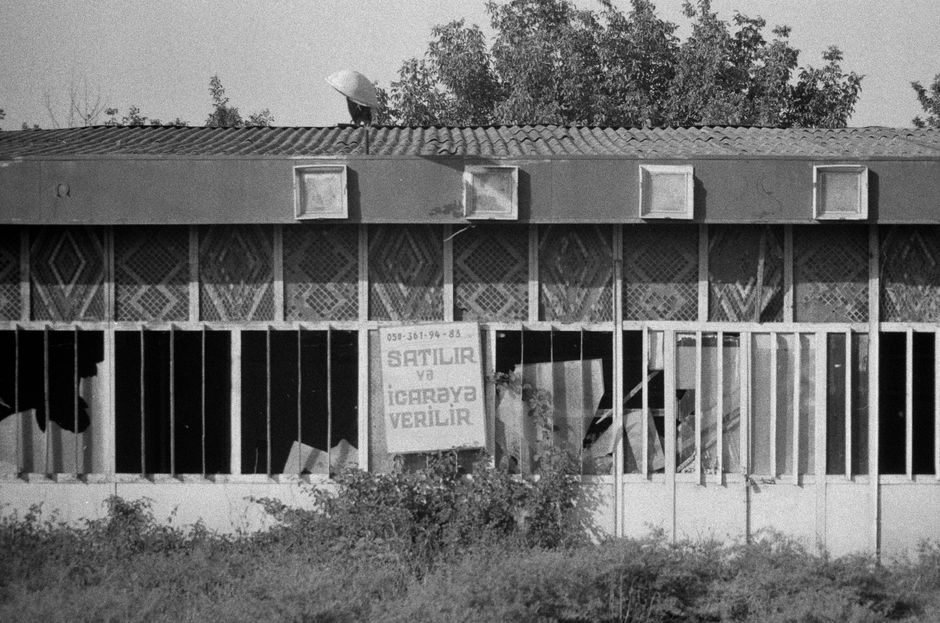
Here at Florida All Risk Insurance, we’ve walked alongside countless property owners throughout the Sunshine State as they’ve steerd the sometimes choppy waters of insuring empty commercial spaces. Being based in St. Petersburg gives us a understanding of Florida’s unique challenges – from hurricane risks to humidity concerns that can wreak havoc on vacant buildings.
As I tell my clients, protecting your investment is about finding that sweet spot between adequate coverage and manageable costs. Think of vacant commercial property insurance cost as an investment rather than an expense – it’s the safety net that catches you when market conditions, renovation delays, or tenant challenges leave your property temporarily empty.
The most important things to remember about protecting your vacant property:
Most owners will pay between $1,000 and $3,000 annually per $1 million in property value, though your specific situation may vary based on location, building construction, and security measures. Those security investments really do pay off – proper alarm systems, regular documented inspections, and basic maintenance can significantly reduce your premiums while protecting your asset.
Policy structure matters enormously. The length of your policy term, which perils are covered, and those sometimes-tricky cancellation provisions can make a huge difference in both protection and cost. This is especially true in Florida, where our unique weather patterns and coastal exposures create insurance considerations you won’t find in other states.
Working with an independent agency like ours gives you something invaluable – options. We’re not tied to a single carrier’s products, so we can shop your coverage across multiple specialized markets to find the right fit for your specific property and circumstances.
While the commercial real estate market continues its post-pandemic evolution, one thing remains constant – vacant properties need specialized protection. The right insurance coverage provides not just financial security but genuine peace of mind during property transitions, renovations, or challenging market conditions.
Ready to protect your vacant commercial property without breaking the bank? Our team of experienced professionals understands the unique challenges of Florida’s insurance landscape and can help you steer the complexities of vacant property coverage with a personal touch.
Learn more about our commercial property coverage options or call our St. Petersburg office today to speak with one of our vacant property insurance specialists who can craft protection as unique as your property.

