

Top 10 homeowners insurance companies in florida: Secure
Navigating the Challenging Florida Home Insurance Market
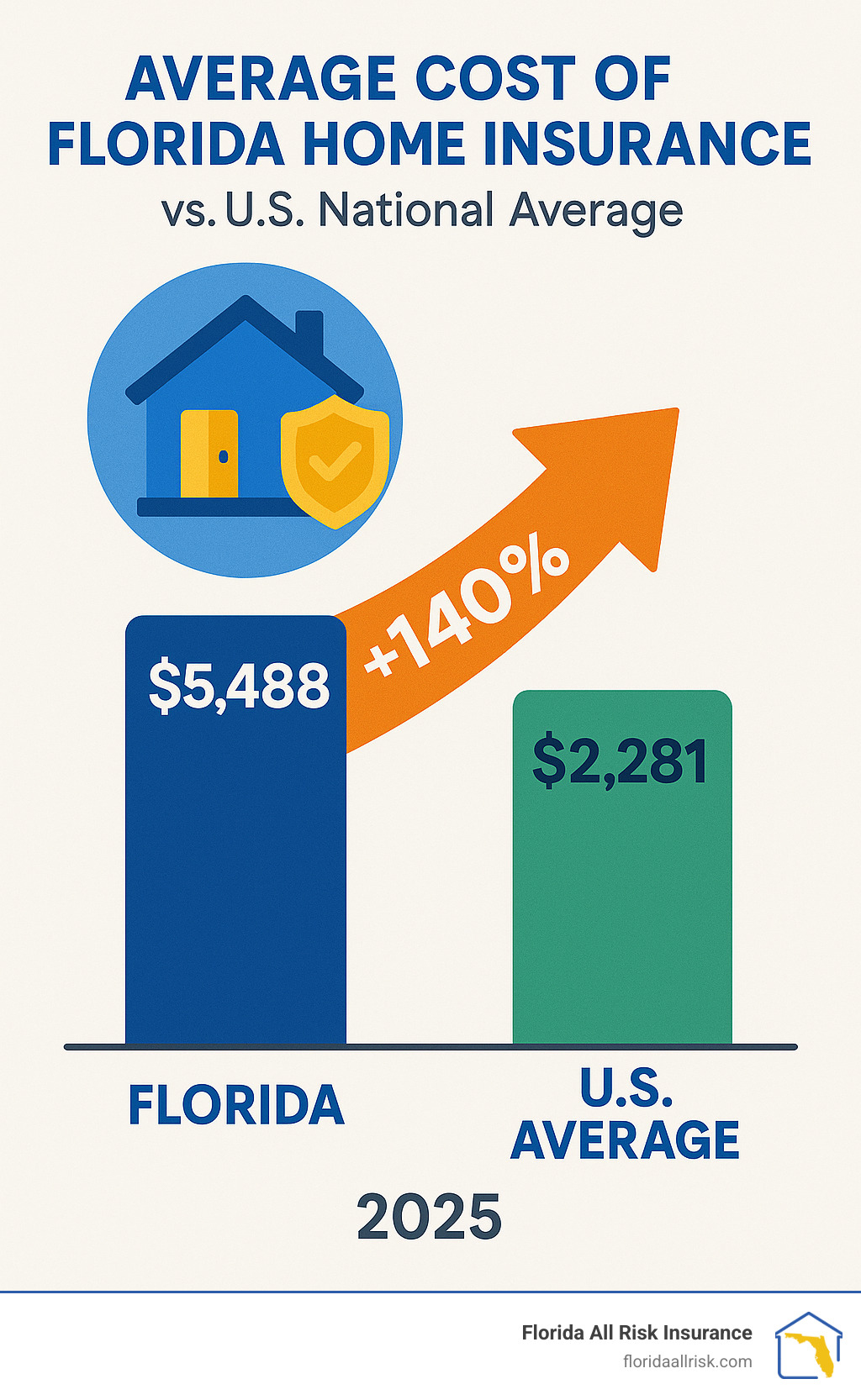
Finding reliable and affordable coverage among the top 10 homeowners insurance companies in florida has evolved from a routine task into a significant challenge. The Florida market is in a state of unprecedented turmoil, with some national insurers leaving the state, others pausing new business, and local companies facing immense financial pressure. This has left homeowners struggling with soaring premiums and a shrinking pool of options. Currently, Florida homeowners face average annual premiums of $5,488—a figure that is more than 140% higher than the national average and continues to climb.
To effectively steer this landscape, it’s more useful to understand the types of providers available rather than focusing on a fleeting list of company names. This guide focuses on the categories of insurers you’ll encounter.
Quick Answer: Top Florida Homeowners Insurance Provider Types
- Florida-Focused Private Insurers
- State-Backed Insurance Solutions
- Nationally Recognized Carriers
- Reciprocal Insurance Models
- Military-Focused Insurers
- High-Value Home Specialists
- Technology-Driven Insurers
- Insurance Brokers and Agencies
- Customizable Policy Providers
- Independent Insurance Agencies
Florida’s unique geography and legal environment create a perfect storm of insurance challenges. The state experiences more hurricane landfalls than any other, leading to catastrophic losses. Compounding this, Florida accounts for a staggering 79% of all homeowners insurance lawsuits nationwide while only representing 9% of the nation’s claims, according to the Florida Office of Insurance Regulation. This litigious environment, coupled with reinsurance costs that have jumped by over 50% in recent years, has pushed the market to its breaking point.
Since 2022, this volatility has accelerated. Multiple insurers have become insolvent, stopped writing new Florida policies, or pulled out of the state entirely. This has forced hundreds of thousands of homeowners into Citizens Property Insurance Corporation, the state’s insurer of last resort, making it one of the largest homeowners insurers in Florida by default.
Why This Market Turmoil Matters to You
Rising costs are just the tip of the iceberg. The real danger for many Florida homeowners is finding their coverage is inadequate only after a disaster strikes. A standard policy is not a catch-all solution. It will exclude flood damage, require a separate and often substantial hurricane deductible, and may not cover the full cost of rebuilding your home to comply with current, more stringent building codes. Many homeowners have also been surprised by policy non-renewals, leaving them scrambling to find new coverage in a difficult market.
As an agent with over 20 years of experience helping Florida families steer this complex market, I’ve witnessed how challenging it’s become to secure comprehensive, affordable protection. My expertise comes from building Florida All Risk Insurance into a leading provider by helping thousands of clients find stability and security in this volatile marketplace. This guide is designed to empower you with the knowledge to do the same.
Top 10 homeowners insurance companies in florida terms to know:
- Homeowners Insurance Florida
- Another Home Insurance Company Leaving Florida
- Brevard County Home Insurance
Why is Florida Homeowners Insurance So Expensive?
It’s no secret that Florida homeowners often feel like they’re paying a king’s ransom to protect their castles. The average annual premium in Florida is a staggering $5,488, more than double the national average. This isn’t due to a single issue, but a convergence of powerful factors that create a uniquely expensive insurance environment. Let’s unpack this perfect storm.
1. Best Hurricane Risk
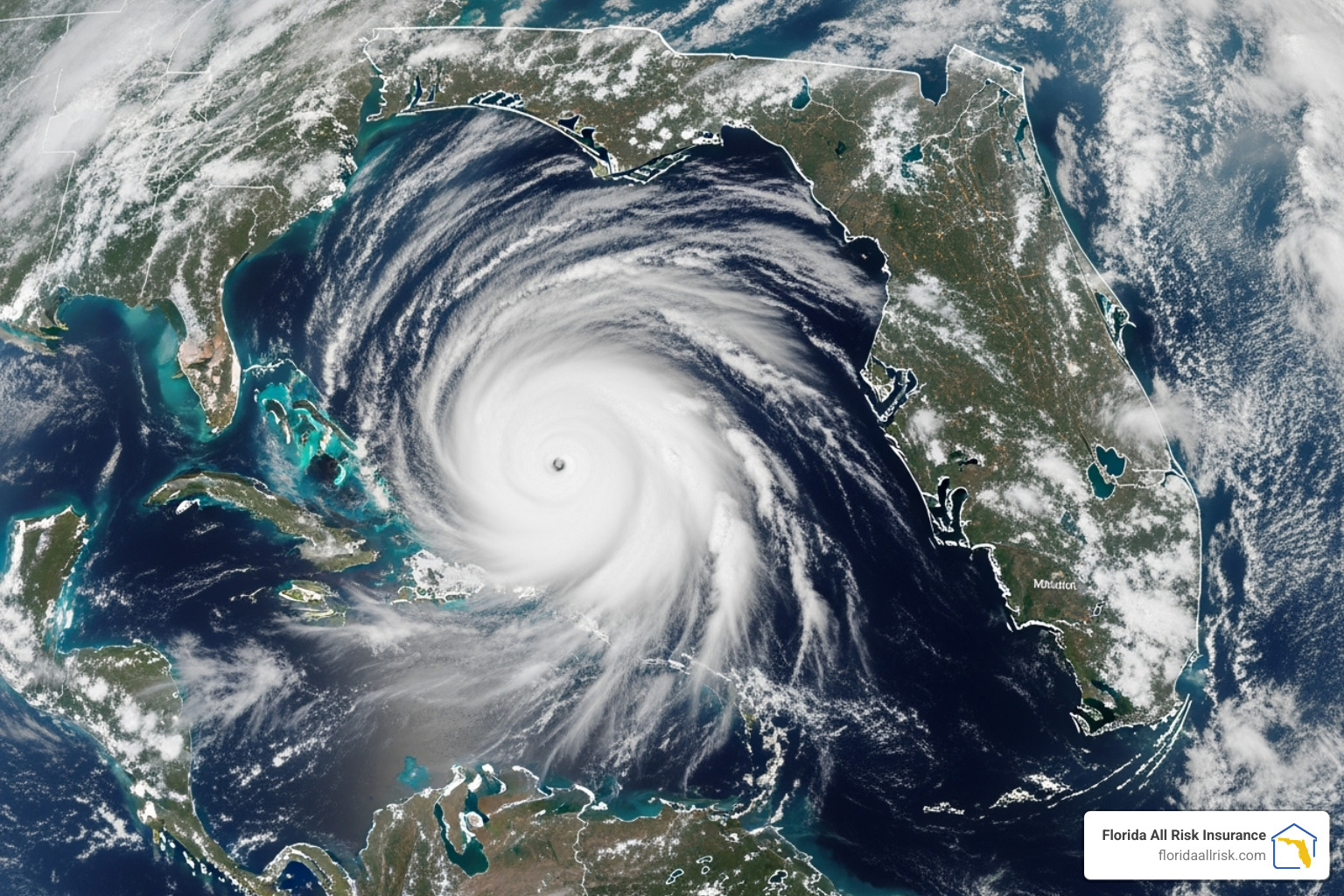
First and foremost, our state is a magnet for extreme weather. Florida has been hit by more hurricanes than any other U.S. state. The financial toll of these storms is immense. Hurricane Andrew in 1992 was a wake-up call, but more recent storms like Irma (2017) and Michael (2018) caused tens of billions in insured losses. Hurricane Ian in 2022 became one of the costliest storms in U.S. history, with insured losses exceeding $60 billion. Insurers use sophisticated catastrophe models to predict potential losses from future storms, and in Florida, these models predict high risk, which translates directly to high premiums.
2. Skyrocketing Reinsurance Costs
Reinsurance is essentially insurance for insurance companies. It’s a critical tool that allows primary insurers to transfer a portion of their risk, ensuring they can pay all claims after a major catastrophe. After years of massive payouts, global reinsurance companies have dramatically increased their rates for Florida-based risk, with some reports indicating hikes of 50% or more in a single year. They see Florida as an increasingly risky bet. These higher costs are a direct pass-through expense for primary insurers, who then pass them on to you, the policyholder. The state-run Florida Hurricane Catastrophe Fund (FHCF) provides some reinsurance, but it’s not enough to shield companies from the volatile global market.
3. Widespread Litigation and Fraud
Perhaps the most frustrating factor is the state’s history of excessive litigation. For years, Florida was an outlier, responsible for nearly 80% of all homeowners insurance lawsuits in the U.S. while only having 9% of the claims. This was largely fueled by practices like Assignment of Benefits (AOB) abuse, where contractors could take control of a homeowner’s claim, and one-way attorney fee statutes that incentivized lawsuits over even minor disputes. While recent legislative reforms passed in 2022 and 2023 aimed to curb these abuses by eliminating one-way attorney fees and reforming AOB rules, the market is still processing years of inflated claims and legal costs. It will take time for these reforms to translate into rate relief for consumers.
4. Inflation and Rising Construction Costs
Finally, general economic inflation has a significant impact. The cost to rebuild a damaged home has surged. Supply chain disruptions have driven up the price of essential materials like lumber, roofing shingles, and drywall. Furthermore, a shortage of skilled labor in the construction trades means that labor costs for repairs have also risen sharply. When an insurer calculates your premium, they must account for the current cost to rebuild your home, not what it cost to build it years ago. This higher replacement cost value directly leads to a higher premium.
Understanding these powerful forces is crucial. They explain why the market is so volatile and why finding affordable, comprehensive coverage requires a more strategic approach than ever before. For a deeper dive, you can review official reports like the Trends and Insights: Florida’s Homeowners’ Insurance Crisis from the Insurance Information Institute.
A Look at the Top 10 Homeowners Insurance Provider Types in Florida
Trying to create a definitive list of the top 10 insurance companies in Florida is like trying to nail Jell-O to a wall. The market is so fluid that a company writing policies today might pause new business tomorrow. That’s why we’ve taken a more durable approach.
Instead of a list that will be outdated next month, we’re focusing on the top 10 homeowners insurance provider types in Florida. This framework helps you understand the landscape, know what to look for, and identify the right category for your needs, regardless of which specific companies are active.
With such market volatility, comparing quotes isn’t just smart—it’s essential. No single provider type is the best fit for every homeowner. This is where independent agents shine. We work with multiple carrier types to help you steer these choppy waters and find the coverage that makes sense for your home, budget, and risk tolerance. Think of this as your field guide to the Florida insurance ecosystem.
1. Florida-Focused Private Insurers
These are companies born and bred in Florida. Their entire business model is built around understanding our state’s unique challenges, from complex building codes to the nuances of hurricane behavior.
- Pros: Deep local expertise. They can be more flexible in underwriting for certain Florida-specific risks because they aren’t bound by national guidelines. Their fate is tied to the health of the Florida market, so they are invested in long-term solutions.
- Cons: Their concentration of risk in one state makes them highly vulnerable to major hurricanes. A single bad storm season can severely impact their financial stability and lead to sharp rate increases or stricter underwriting. Many rely heavily on financial stability ratings from firms like Demotech, which specializes in regional carriers.
- Best For: Homeowners who value local knowledge and may have a property that doesn’t fit the rigid criteria of a national carrier.
2. State-Backed Insurance Solutions
This category is dominated by one entity: Citizens Property Insurance Corporation. Created by the Florida Legislature, Citizens is the state’s “insurer of last resort.” It’s designed to provide essential coverage to homeowners who cannot find a policy in the private market.
- Pros: It provides a crucial safety net, ensuring that coverage is available to all eligible property owners.
- Cons: Citizens is not intended to be a long-term solution. Its policies often have more restrictive coverage limits than private policies. Furthermore, if Citizens runs a deficit after a major storm, it has the legal authority to levy assessments not only on its own policyholders but also on nearly every insurance policyholder in Florida (auto, home, etc.). The state actively encourages policyholders to leave Citizens for private insurers through a “depopulation” program.
- Best For: Homeowners who have received multiple denials from private insurers and have no other options.
3. Nationally Recognized Insurance Carriers
These are the household names you see advertised everywhere, with operations in all 50 states.
- Pros: Best financial stability. They have massive capital reserves to handle large-scale disasters. They often provide significant bundling discounts (up to 25% or more) for combining home and auto policies, which can make them very competitive on price if you qualify.
- Cons: Many national carriers have significantly reduced their footprint in Florida, especially in high-risk coastal areas and for homes with older roofs. Their underwriting criteria can be very strict and inflexible, making it difficult for many Florida properties to qualify.
- Best For: Homeowners with newer homes in lower-risk areas who can take advantage of multi-policy discounts.
4. Reciprocal Insurance Models
In a reciprocal exchange, policyholders (called subscribers) agree to insure one another. The exchange is managed by a third-party company known as an “attorney-in-fact.” It’s a model built on the principle of shared risk and reward.
- Pros: Because subscribers are the owners, the focus is on serving the membership rather than outside stockholders. Underwriting profits are often returned to subscribers in the form of dividends or lower premiums. This can lead to competitive rates and excellent customer service.
- Cons: Financial stability can be more sensitive to large-scale catastrophic events if the exchange is small or does not have robust reinsurance. It’s crucial to vet the financial strength and reinsurance program of any reciprocal insurer.
- Best For: Homeowners who like a member-centric approach and are comfortable with a non-traditional insurance structure.
5. Insurance Options for Military Members and Families
Some insurers, most notably USAA, are dedicated to serving the needs of active-duty military members, veterans, and their families.
- Pros: Consistently ranked at the top for customer service. They understand the unique challenges of military life, such as deployments and frequent moves, and tailor their services accordingly. Their rates are often highly competitive.
- Cons: The primary limitation is eligibility. Coverage is restricted to a specific group of individuals connected to the U.S. military.
- Best For: Eligible military members and their families who prioritize exceptional customer service.
6. High-Value Home Insurance Specialists
If you own a luxury, custom, or historic home, a standard insurance policy will likely have coverage gaps. High-value specialists like Chubb, AIG, and PURE cater to this market.
- Pros: They offer bespoke coverage with much higher limits. Features often include extended replacement cost (which can pay 125% or more of your policy limit to rebuild), cash-out settlement options, and white-glove claims service with a dedicated representative.
- Cons: The premiums are significantly higher, reflecting the higher risk and superior level of coverage and service. These policies are designed exclusively for the high-net-worth market.
- Best For: Owners of homes typically valued at $1 million or more who require specialized coverage and premium service.
7. Technology-Driven Insurers
Often called “insurtech” companies, these providers leverage technology, data analytics, and AI to streamline the insurance process. Companies like Kin and Slide are prominent examples in Florida.
- Pros: The user experience is often fast, modern, and convenient, allowing you to get a quote and buy a policy online in minutes. By using data more effectively, they can sometimes offer more competitive pricing for specific types of homes.
- Cons: The customer service model is often digital-first (chatbots, apps, email), which may not appeal to those who prefer a dedicated human agent. As they are often newer companies, they may not have the long-term track record of more established insurers.
- Best For: Tech-savvy homeowners who are comfortable managing their policy digitally and value speed and convenience.
8. Insurance Brokers and Agencies
While not insurance companies themselves, brokers and agencies are a vital part of the Florida market. They act as intermediaries between consumers and insurance carriers.
- Pros: They have access to multiple carriers and can shop the market on your behalf, which is invaluable when you’re facing non-renewal or have a hard-to-insure property. They provide expert advice and can help you compare complex quotes.
- Cons: Their access is limited to the carriers they have appointments with. It’s important to distinguish between captive agents (who work for one company) and independent agents (who work with many).
- Best For: Anyone who wants help navigating the market, especially those with complex needs or high-risk properties, like those seeking Home Insurance The Villages FL.
9. Customizable Policy Providers
Some insurers differentiate themselves by offering a high degree of policy customization. While most carriers offer some endorsements, these providers have an extensive menu of add-on coverages.
- Pros: You can build a policy that precisely fits your needs, adding specific protections for things like water backup, service line failure, identity theft, or valuable personal property. This flexibility ensures you’re not paying for coverage you don’t need and are covered for your specific risks.
- Cons: Building a highly customized policy can become complex and more expensive. It requires a good understanding of your own risk profile or the guidance of a knowledgeable agent to ensure you’re making smart choices.
- Best For: Homeowners with specific coverage needs that aren’t met by a standard, one-size-fits-all policy.
10. Independent Insurance Agencies
This is our category. Independent agencies like Florida All Risk Insurance are not tied to any single insurance company. We represent you, the client.
- Pros: We work with multiple carriers across all the provider types discussed above. This gives us the ability to provide unbiased advice and shop the entire market to find the best combination of coverage, price, and service for your unique situation. We advocate for you during the claims process and provide personalized, long-term service.
- Cons: The quality of service can vary by agency. It’s important to choose an experienced, reputable agency with a strong network of carrier partners.
- Best For: Any Florida homeowner who wants expert guidance, personalized service, and access to the widest possible range of insurance options.
Understanding these provider types gives you the foundation to make an informed decision. The best choice depends on your specific situation, which is why comparing options across multiple provider types is so important.
Comparing Key Features: Costs, Coverage, and Discounts
Understanding the true value of a homeowners insurance policy goes beyond just looking at the annual premium. For Floridians, it’s about dissecting the policy to ensure it provides robust protection against our unique risks. With average premiums at a staggering $5,488, every detail matters.

Key Factors Driving Your Premium Costs
Several variables determine your specific insurance rate. Insurers analyze these factors to assess the risk of insuring your property:
- Location: This is paramount in Florida. Proximity to the coast is the single largest factor. Homes in high-velocity wind zones or designated flood zones will always have higher premiums.
- Home’s Age and Construction: Newer homes built to the latest Florida Building Code are more resilient and cheaper to insure. Masonry (concrete block) construction is generally preferred over frame construction.
- Roof Age and Shape: The condition and age of your roof are critical. Many insurers will not write new policies for homes with shingle roofs over 15 years old. A hip-shaped roof (sloped on all four sides) is more aerodynamic and qualifies for significant discounts compared to a gable roof.
- Coverage Amount & Deductibles: The higher your dwelling coverage (Coverage A), the higher your premium. Opting for a higher deductible will lower your premium, but it means you pay more out-of-pocket when you file a claim.
- Claims History: A history of filing claims, especially water-related ones, can lead to higher rates or even non-renewal.
- Credit Score: Florida law allows insurers to use a credit-based insurance score to help determine premiums. A better credit history can lead to lower rates.
Understanding Your Standard Homeowners Coverage (HO-3)
A standard policy includes several key coverages:
- Coverage A – Dwelling: Protects the physical structure of your house. This amount should be based on the cost to rebuild your home, not its market value.
- Coverage B – Other Structures: Covers detached structures like a garage, shed, or fence, typically at 10% of your dwelling coverage.
- Coverage C – Personal Property: Protects your belongings (furniture, clothes, electronics). This is usually set between 50-70% of your dwelling coverage.
- Coverage D – Loss of Use: Pays for additional living expenses (hotel, food) if your home is uninhabitable during repairs after a covered loss.
- Coverage E – Personal Liability: Protects you financially if you are sued for an injury or property damage that you or your family members cause to other people.
- Coverage F – Medical Payments to Others: Covers minor medical bills for someone injured on your property, regardless of fault.
Crucial Natural Disaster Coverage for Floridians
Living in Florida requires a sharp focus on weather-related risks:
- Hurricane Coverage & Deductible: While wind damage from a hurricane is covered by a standard policy, it comes with a separate hurricane deductible. This is a percentage (typically 2%, 5%, or 10%) of your dwelling coverage, not a flat dollar amount. For a home insured for $400,000 with a 5% deductible, you would be responsible for the first $20,000 of hurricane damage. This deductible applies once per calendar year in Florida.
- Flood Insurance: This is a critical point: standard homeowners policies DO NOT cover damage from flooding. This includes storm surge from a hurricane. Flood insurance must be purchased separately. You can get coverage through the federally-backed National Flood Insurance Program (NFIP) or from a growing number of private flood insurers. Even if you are not in a high-risk flood zone, it’s a vital consideration, as more than 20% of flood claims come from outside these zones. You can check your property’s risk on FEMA’s Flood Map Service Center.
- Sinkhole Coverage: Standard policies include coverage for “Catastrophic Ground Cover Collapse,” a severe event where the ground opens up and damages the home’s foundation. However, for less severe sinkhole activity (cracked walls, foundation settling), you need to purchase a separate sinkhole endorsement. This is particularly important for homeowners in Central Florida’s “Sinkhole Alley.”
Open uping Discounts to Lower Your Premium
There are numerous ways to reduce your premium:
- Wind Mitigation Credits: This is the most impactful discount available to Floridians. A certified inspector can verify features that make your home more resistant to wind, such as a hip roof, hurricane shutters or impact-resistant glass, a secondary water barrier on the roof, and reinforced roof-to-wall connections. These credits can reduce your premium by hundreds or even thousands of dollars.
- Multi-Policy Bundling: Combining your home and auto insurance with the same carrier is one of the easiest ways to save, often providing a discount of 10-25%.
- Home Safety Features: Monitored security systems, smoke detectors, and fire extinguishers can earn you small but meaningful discounts.
- Newer Home or Roof: Insurers offer discounts for newer homes and homes with a recently replaced roof, as they pose less risk.
- Claims-Free History: Many companies will reward you with a lower rate if you haven’t filed a claim for a certain number of years.
For homeowners in specific areas, like those searching for Homeowners Insurance Homestead FL, a local agent can help identify all available discounts.
Comparing Key Features: Costs, Coverage, and Discounts
Navigating the costs of homeowners insurance in Florida is essential. Our state is significantly more expensive than the national average, and several factors will heavily influence your specific premium:
- Location: Coastal proximity and flood zones drive up costs.
- Home Characteristics: Age, construction type, and roof condition are critical.
- Coverage Limits: Higher limits will naturally raise the premium.
- Deductibles: A higher deductible lowers your premium but increases your out-of-pocket expense on a claim.
- Claims History: Previous claims can lead to higher rates.
- Credit Score: Insurers in Florida can use a credit-based score to help determine your premium.
Most policies provide foundational coverages like dwelling, personal property, and liability protection. We recommend ensuring your dwelling coverage is enough to rebuild your home entirely, not just its market value.
Crucial Natural Disaster Coverage for Floridians
Living in Florida means having specific coverages for common perils.
-
Hurricane Coverage: Every policy includes wind damage coverage from hurricanes, but it comes with a separate, mandatory hurricane deductible. This is typically a percentage (e.g., 2%, 5%, or 10%) of your dwelling coverage. For a home insured for $300,000 with a 5% deductible, you’d pay the first $15,000 of a hurricane claim. Learn more about how it works with Homeowners Insurance Navarre FL.
-
Flood Insurance: This is a critical distinction: standard homeowners policies do not cover flood damage. Given Florida’s geography, flood insurance is a must-have. You can obtain it through the National Flood Insurance Program (NFIP) or private providers. Check your risk on FEMA’s maps. We also offer comprehensive Florida Homeowners Insurance Products, including flood options.
-
Sinkhole Coverage: Standard policies typically exclude sinkhole damage. If you’re in a high-risk area, you might need to purchase an optional endorsement.
Understanding Discounts to Lower Your Premium
Even with high base rates, there are smart ways to reduce your premium. We love helping our clients uncover every possible saving!
- Wind Mitigation Credits: This is the biggest money-saver in Florida. A qualified inspector can verify features like a hip roof, hurricane shutters, or reinforced roof-to-wall connections to qualify you for significant discounts.
- Multi-Policy (Bundling) Discounts: Combining home and auto policies can lead to substantial savings.
- Home Safety and Security Discounts: Installing smoke detectors, deadbolt locks, or a monitored alarm system can earn you discounts.
- New Home or Roof Discounts: Newer homes or those with recently replaced roofs are often eligible for discounts.
We often help homeowners in areas like Homeowners Insurance Homestead FL maximize these discounts.
How to Save Money and Find Coverage in Florida’s Tough Market
Finding affordable homeowners insurance in Florida might feel like searching for a needle in a haystack, but it’s not impossible. While the state’s insurance market is undeniably challenging, proven strategies can help you secure quality coverage without breaking the bank. The key is to be proactive, informed, and strategic in your approach.

Proactive Steps for Finding Affordable Insurance
The single most crucial step is to shop around annually. In a stable market, this is good advice; in Florida’s volatile market, it’s essential. Rates, underwriting guidelines, and a company’s appetite for risk can change dramatically from one year to the next. Comparing quotes from multiple carriers is where the real savings are found. Working with an independent insurance agency makes this process incredibly efficient, as we can gather and compare quotes from numerous carriers in our network on your behalf.
Your credit score plays a bigger role than many homeowners realize. Insurers in Florida use a credit-based insurance score to help set rates. Maintaining good credit by paying bills on time and keeping debt levels low can translate directly into significant insurance savings.
Additionally, increasing your deductible can lower your premium. For example, raising your standard (All Other Perils) deductible from $1,000 to $2,500 will reduce your yearly cost. However, you must be sure you can comfortably pay that higher amount out-of-pocket if you need to file a claim. It’s a balance between short-term savings and long-term financial risk.
What to Do If You’re Denied Coverage or Non-Renewed
Receiving a denial or non-renewal notice can be stressful, but it’s not the end of the road. Here’s a step-by-step plan:
- Understand the Reason: The insurer is required to tell you why you were denied or non-renewed. Common culprits include an aging roof (often 15+ years for shingles), a high-risk coastal location, a history of claims, or outdated electrical or plumbing systems.
- Address the Issue: Once you know the reason, you can take action. If the issue is a 17-year-old roof, getting it replaced will open up many more insurance options. If it’s old wiring, an electrical update might be necessary. Document all improvements you make.
- Explore Different Insurer Types: Don’t give up after one or two denials. A national carrier might say no, but a Florida-focused insurer might say yes. This is where an independent agent is invaluable, as they know the different risk appetites of various companies.
- Look to the State’s Safety Nets: If you’ve exhausted private market options, you can turn to state-backed programs. The Florida Market Assistance Plan (FMAP) is a free service that can help match you with insurers who may be willing to write your policy. If that fails, Citizens Property Insurance Corporation is available as the insurer of last resort. While typically more expensive and with less coverage, it ensures every homeowner can obtain essential protection. We help clients in areas like Homeowners Insurance in Pinellas County Florida explore every available option.
Why a Wind Mitigation Inspection is a Smart Investment
If we could give every Florida homeowner one piece of money-saving advice, it would be this: get a wind mitigation inspection. This single step can save you hundreds or even thousands of dollars annually on your premium, often paying for itself in the first year.
A wind mitigation inspection is a formal assessment of your home’s ability to withstand high winds. A qualified inspector examines and documents key features on a standard form (OIR-B1-1802). These features include:
- Roof Shape: A hip roof is significantly more wind-resistant than a gable roof.
- Roof-to-Wall Connections: The method used to attach your roof trusses to the walls (e.g., clips, single wraps, double wraps).
- Roof Deck Attachment: The size and spacing of the nails used to secure the roof deck.
- Secondary Water Resistance (SWR): A sealed underlayment that prevents water intrusion if the shingles are blown off.
- Opening Protection: The level of protection for your windows and doors (e.g., rated shutters or impact-resistant glass).
The inspection typically costs between $75 and $150, but the potential savings can be substantial, often reducing the wind portion of your premium by up to 45%. These improvements not only save you money but also make your home safer for your family.
Frequently Asked Questions about Homeowners Insurance in Florida
Living in Florida comes with a unique set of insurance challenges and questions. After helping thousands of families steer this complex market, we’ve compiled answers to the most common and critical inquiries we receive.
Is homeowners insurance legally required in Florida?
This surprises many: Florida does not have a state law requiring you to carry homeowners insurance. However, if you have a mortgage, your lender will absolutely require you to maintain a policy for the life of the loan to protect their financial interest in the property. If you let your policy lapse, the lender will purchase insurance on your behalf—called “force-placed insurance”—which is extremely expensive and provides very limited coverage. Even if you own your home outright, going without insurance is a massive financial gamble. Your home is likely your largest asset, and a single hurricane, fire, or liability lawsuit could be financially devastating.
How can I find the best policy among the top 10 homeowners insurance provider types in Florida?
Finding the “best” policy is about finding the best value, not just the lowest price. Start by accurately assessing your home’s rebuild cost and your personal property value. Then, don’t just compare prices—compare what you’re actually getting. A cheaper policy might have a much higher hurricane deductible, lower liability limits, or exclude important coverages like water backup.
Financial strength is paramount. When a major storm hits, you need to be confident your insurance company has the financial resources to pay all its claims. Check the financial stability ratings from firms like AM Best or Demotech. Demotech is particularly important in Florida as it rates many of the state-focused insurers. An ‘A’ rating is a strong indicator of stability. This is another area where an independent agent adds value; we constantly monitor carrier ratings and can help you choose a financially sound company.
What is a hurricane deductible and how does it work?
The hurricane deductible is one of the most misunderstood parts of a Florida homeowners policy. Unlike your regular deductible (for perils like fire or theft), which is a fixed dollar amount, a hurricane deductible is a percentage of your dwelling coverage (Coverage A). The available percentages are set by law and are typically 2%, 5%, or 10%. This deductible applies specifically to damage from a named storm as declared by the National Hurricane Center.
For example, if your home is insured for $300,000 and you have a 5% hurricane deductible, you’d be responsible for the first $15,000 of damage from a named hurricane. A key feature of Florida law is that this deductible applies on a calendar year basis. This means you only have to meet it once per year, regardless of how many named storms damage your home in that year. Understanding how it works is crucial for budgeting and is a key topic for homeowners in areas like Homeowners Insurance Navarre FL.
What is the difference between an HO-3 and an HO-5 policy?
The HO-3 is the most common type of homeowners insurance policy in the U.S. It provides “open peril” coverage for your home’s structure (meaning it’s covered against all perils except those specifically excluded) and “named peril” coverage for your personal belongings (meaning it’s only covered against the specific perils listed in the policy, like fire, theft, and wind).
An HO-5 policy is a premium option that provides “open peril” coverage for both your home’s structure and your personal belongings. This offers broader protection for your possessions. HO-5 policies also typically include higher liability limits. They are generally more expensive and are often offered to owners of newer, well-maintained homes.
How should I prepare to file a claim after a hurricane?
Preparation is key. Before a storm, take photos and videos of your home’s interior and exterior to document its condition. After the storm passes and it’s safe to do so, take immediate steps to mitigate further damage (e.g., putting a tarp on a damaged roof). Document all the damage with new photos and videos. Contact your insurance company or agent as soon as possible to report the claim. Keep detailed records of all expenses you incur, including receipts for repairs and any additional living expenses if you have to relocate temporarily.
Your Partner in Protecting Your Florida Home
Navigating the Florida insurance market is undoubtedly complex, a puzzle with constantly shifting pieces. While trying to identify a static list of the top 10 homeowners insurance companies in florida is a difficult task due to market volatility, understanding the different types of providers gives you a stable and powerful framework for your search. From national giants and state-focused specialists to tech-driven newcomers and the crucial state-backed safety net, each provider type serves a different need in this challenging ecosystem.
Making an informed decision is about more than just finding the cheapest rate; it’s about securing your long-term financial security and peace of mind. It requires a careful evaluation of coverage limits, a deep understanding of hurricane and flood deductibles, and a proactive approach to maximizing discounts through home improvements like wind mitigation. The stakes are simply too high to leave it to chance.
At Florida All Risk Insurance, we pride ourselves on being your trusted partner and expert guide on this journey. As an independent agency, our loyalty is to you, not to a single insurance company. We leverage our expertise and broad network of carriers to explain the process, compare options from a wide range of providers, and find a policy customized to your specific needs. Our goal is to ensure your castle is well-protected, come rain, shine, or hurricane.
Find the right Florida homeowners insurance coverage for you.
Contact Us
Finding the right homeowners insurance among the top 10 homeowners insurance companies in florida doesn’t have to be a solo journey. At Florida All Risk Insurance, we’re here to make the complex simple and help you protect what matters most.
We’ve been serving Florida families and businesses from our home base in Saint Petersburg, understanding the unique challenges our state presents. Whether you’re dealing with a policy non-renewal, searching for better rates, or simply want to ensure your coverage is adequate, we’re your local experts.
Our team takes the time to understand your specific needs, explain your options in plain English, and work tirelessly to find coverage that fits both your budget and your lifestyle.
Ready to find what personalized insurance service looks like? We’d love to hear from you.
Florida All Risk Insurance
Address: Saint Petersburg, FL
Phone: (727) 777-9999
Email: [email protected]

