Finding Temporary Coverage for Your Vehicle in Florida
Temporary car insurance Florida is generally not available from major insurance providers as a standalone product, but there are several alternatives to meet your short-term coverage needs in 2025.
Quick Answer: Temporary Car Insurance Options in Florida
- Standard Policy with Early Cancellation: Purchase a six-month policy and cancel when no longer needed (may incur fees)
- Non-Owner Car Insurance: For those who drive but don’t own vehicles (~$999/year)
- Rental Car Insurance: Available from rental companies ($46-$57/day)
- Adding/Removing Drivers: Temporarily adjust your existing policy
- Pay-Per-Mile Insurance: For infrequent drivers
Most major insurance companies in Florida only offer policies with minimum terms of six months. If you need coverage for a shorter period, you’ll need to get creative with your approach. Whether you’re borrowing a vehicle, temporarily in Florida, or only need coverage for a specific event, understanding your options is crucial to avoid driving uninsured—which is illegal in Florida and can result in license suspension and hefty fines.
Some companies advertising “7-day” or “30-day” temporary insurance plans may not provide adequate coverage or could potentially be scams. Always verify the legitimacy of any insurer before purchasing a policy.
I’m Jason Miller, with over 20 years of experience providing temporary car insurance Florida solutions to thousands of clients throughout the state. As a second-generation insurance professional, I’ve helped countless drivers steer the complexities of short-term coverage needs.

Temporary car insurance Florida terms simplified:
– Florida car insurance discounts
– cheap auto insurance quotes florida
– Florida classic car insurance
Understanding Temporary Car Insurance in Florida
When Florida drivers search for temporary car insurance Florida options in 2025, they often encounter a maze of confusing information. Let’s cut through the noise and clarify what’s actually available to you and how it works in the Sunshine State.
What Is Temporary Car Insurance?
Temporary car insurance refers to auto insurance that covers you for shorter periods than the standard six or twelve-month policies most of us are familiar with. In an ideal world, you could purchase coverage for exactly the time you need—whether that’s a single afternoon, a weekend getaway, or a few months while your college student is home for summer break.
This type of flexible, short-term coverage is common in other parts of the world. In the UK, for example, you can purchase car insurance by the day or even by the hour through specialized providers. Parts of Canada, Mexico, and several European countries offer similar flexibility.
But here in America—and specifically in Florida—the insurance landscape works differently.
“The concept of temporary car insurance sounds appealing, but the reality is that most major insurers in the U.S. don’t offer policies for terms shorter than six months,” explains Mark Friedlander, corporate communications director at the Insurance Information Institute. “This is because underwriting short-term risk is costlier than offering longer-term policies.”
In Florida, six months is typically the minimum policy duration you’ll find with reputable insurers. This six-month cycle gives insurance companies a chance to periodically review your driving record and adjust your rates accordingly—it’s all part of how they manage risk and keep their business sustainable.
Is Temporary Car Insurance Available in Florida?
I wish I could tell you otherwise, but the straightforward answer is no—at least not in the traditional sense. If you walk into most insurance offices in St. Petersburg or anywhere else in Florida asking for a 2-week policy, you’ll likely be met with a polite explanation that such products simply aren’t offered by major, legitimate insurers.
“Temporary car insurance policies (for less than six months) aren’t available from major U.S. insurers.”
But don’t worry—this doesn’t mean you’re out of options if you need short-term coverage in Florida. It just means we need to get a bit creative with solutions. Here at Florida All Risk Insurance, we help clients steer these challenges every day.
Your alternatives include:
- Buying a standard six-month policy and canceling early (with a refund for unused premium, minus any cancellation fees)
- Getting non-owner car insurance if you occasionally drive but don’t own a vehicle
- Using rental car insurance for truly short-term needs
- Temporarily adjusting an existing policy by adding or removing drivers
- Looking into pay-per-mile insurance if you’re an infrequent driver
Each of these approaches has its own advantages and considerations, which we’ll explore in detail throughout this guide. The key is understanding that while true temporary car insurance Florida policies don’t exist in the conventional sense, there are legitimate ways to avoid paying for more coverage than you actually need.

As a local agency that’s helped thousands of Florida drivers over the years, we understand these challenges. While industry standards prevent us from offering true day-by-day temporary policies, we specialize in helping clients steer these alternatives to ensure you maintain proper coverage without unnecessary expense.
Reasons You Might Need Temporary Car Insurance in Florida
Life throws curveballs sometimes, and your insurance needs might change faster than Florida’s famous afternoon thunderstorms. There are plenty of situations where finding temporary car insurance Florida solutions becomes necessary in 2025, and understanding these scenarios can help you choose the right approach for your specific situation.
For Non-Owner Drivers and Occasional Use
Do you occasionally drive someone else’s car but don’t own a vehicle yourself? This is more common than you might think.
When you borrow a friend or family member’s car for a quick errand, you’re typically covered under their policy through what insurance folks call “permissive use.” But there’s a catch – this coverage has limitations. If you’re borrowing their Camry every weekend or for several weeks, their insurance company might start asking questions and could require you to be added to their policy.
For those who regularly drive vehicles they don’t own, non-owner car insurance provides liability coverage that follows you regardless of which car you’re driving (with permission, of course). It’s like having insurance that’s attached to you rather than to a specific vehicle.
Michael from St. Petersburg, one of our clients, shared his experience with me recently: “When I moved to Florida for a six-month work assignment, I didn’t bring my car but needed to drive occasionally. Florida All Risk Insurance helped me secure non-owner insurance that covered me whenever I borrowed my colleague’s car or rented a vehicle for weekend trips to the Keys.”
For Students and Seasonal Residents
Florida’s unique position as both a college destination and seasonal paradise creates specific temporary insurance needs that we see all the time at our agency.
If you’re a parent with a child away at college, maintaining year-round coverage for them might feel like throwing money into the Gulf. Our research shows parents can save significantly by adjusting coverage when their student is studying over 100 miles from home. Adding an 18-year-old to an insurance policy for just two months during breaks costs around $734, whereas keeping them on year-round costs roughly $3,669 more. That’s a vacation’s worth of savings!
Florida’s beloved “snowbirds” face similar challenges. A client from Michigan who spends winters soaking up our sunshine told me: “I was paying for full coverage in both states year-round until Florida All Risk Insurance showed me how to adjust my policies seasonally, saving me nearly $800 annually. That’s a lot of extra grouper sandwiches!”
For Short-Term Vehicle Use and Rentals
Renting a car in Florida? You’ll need appropriate coverage, and your options include purchasing insurance from the rental company (usually $46-$57 per day), relying on your existing auto policy if it extends to rentals, or using the rental coverage benefits that come with many credit cards.
Other situations where temporary car insurance Florida solutions make sense include:
When you’re selling your car and letting potential buyers test drive it, you need to ensure proper coverage is in place. Similarly, if you’ve just purchased a vehicle, you might need temporary coverage until you arrange a permanent policy.
For the growing number of Floridians driving for rideshare companies like Uber or Lyft, there’s often a coverage gap during the period when the app is on but you haven’t yet accepted a ride. Specialized temporary coverage can help protect you during these “in-between” times.
Understanding your specific situation is the first step toward finding the right temporary car insurance Florida solution. At Florida All Risk Insurance, we’ve helped thousands of clients steer these waters. We take the time to understand your unique circumstances and recommend the most cost-effective approach to keep you properly covered without paying for coverage you don’t need.
Alternative Options for Short-Term Coverage in Florida
Let’s face it – finding true temporary car insurance Florida policies is like trying to find a snowman in Miami. But don’t worry! There are several practical alternatives that can effectively meet your short-term coverage needs without breaking the bank in 2025.
Non-Owner Car Insurance as a Solution
If you don’t own a car but still find yourself behind the wheel occasionally, non-owner car insurance might be your new best friend. This type of policy follows you as a driver rather than being attached to a specific vehicle – think of it as insurance that goes wherever you go.
Non-owner insurance primarily provides liability coverage to protect you if you’re responsible for injuries or damage while driving someone else’s car. It may also include medical payments, personal injury protection, and uninsured motorist coverage, though it won’t cover damage to the vehicle you’re driving (since, well, you don’t own it).
Here in Florida, non-owner policies cost around $999 per year – about $83 monthly. While not dirt cheap, it’s significantly less expensive than maintaining full coverage on a vehicle you own. This option is particularly valuable if you have a suspended license requiring an SR-22, frequently rent cars, regularly borrow vehicles, or are between cars but want to maintain continuous coverage.
One of our clients, Marcus from Orlando, saved nearly $600 by switching to a non-owner policy during his six-month work assignment in Tampa. “I was shocked at how much cheaper it was than keeping my regular policy active while my car sat in storage,” he told us.
More info about Car Insurance Quotes Florida
Purchasing a Standard Policy and Canceling Early
Sometimes the simplest solution is the best one. Many Floridians don’t realize they can purchase a standard six-month policy and simply cancel it when they no longer need it. Yes, it’s really that straightforward!
Here’s how it works in real life: You purchase a standard policy, keep it as long as you need it, then cancel when you’re done. The insurance company will refund the unused portion of your premium, minus any cancellation fees. For example, if you buy a six-month policy for $1,104 but only need it for three months, you’ll pay roughly $552 plus any cancellation fees (typically under $100 or about 10-15% of the remaining premium).
Sarah, a client from Jacksonville, shared her experience: “When I temporarily relocated to Florida for a four-month project, Florida All Risk Insurance helped me set up a standard policy with the understanding that I’d cancel early. They explained all potential fees upfront, and when it came time to cancel, the process was seamless.”
Just remember – once you cancel, that car isn’t insured anymore. Make sure you won’t need to drive it again, as driving without insurance in Florida is not only illegal but can result in license suspension and hefty fines. Trust me, those fines cost way more than maintaining proper coverage!
Utilizing Rental Car Insurance
For visitors to the Sunshine State or folks who only need wheels for a short time, rental car insurance often makes the most sense. You’ve probably been asked about it every time you’ve rented a car – and maybe wondered if it’s worth it.
Rental companies offer several types of coverage: the Collision/Loss Damage Waiver (which isn’t technically insurance but waives your responsibility for damage), liability insurance, personal accident insurance, and personal effects coverage. These typically cost between $46 and $57 per day in Florida. While that might make you wince compared to regular insurance rates, for very short-term needs, it’s often the most straightforward option.
But before you shell out for the rental company’s coverage, check what you might already have. Many credit cards provide rental car coverage when you use them to pay for the rental (though this typically only covers damage to the rental vehicle, not liability). Your personal auto policy may also extend to rental cars – a quick call to your agent can confirm this.
Tom, a business traveler who visits our Tampa office monthly, found his sweet spot: “My credit card covers damage to the rental, and my non-owner policy handles the liability. Florida All Risk Insurance helped me understand exactly what was covered and where I might have gaps. Now I save about $200 per trip by declining the rental company’s expensive options.”
At Florida All Risk Insurance, we’ve helped thousands of clients steer these temporary coverage options. We’ll help you find the approach that provides the protection you need without paying for coverage you don’t – because that’s just what good neighbors do.
Legal Requirements for Car Insurance in Florida
When exploring temporary car insurance Florida solutions in 2025, understanding the state’s legal requirements is absolutely essential. No matter what type of coverage you choose, it must comply with Florida’s minimum insurance standards – there’s simply no wiggle room here.
Florida operates under what’s known as a “no-fault” insurance system. This means that regardless of who caused an accident, each person’s own insurance covers their medical expenses and certain non-medical costs. It’s a system designed to reduce litigation and get claims paid more quickly, though it sometimes confuses newcomers to the state.
By law, all Florida drivers must maintain at least:
– Personal Injury Protection (PIP): $10,000 minimum
– Property Damage Liability (PDL): $10,000 minimum
These minimums apply across the board – whether you have a standard policy, non-owner insurance, or any other coverage type. And let me be crystal clear: driving without these minimum coverages isn’t just risky – it’s illegal and comes with serious consequences.
“I thought I could get away with a week of no coverage between policies,” shares Tampa resident Miguel. “That traffic stop cost me hundreds in fines and nearly three months of headaches getting my license reinstated. Trust me, it’s not worth it.”
If you’re caught driving without proper insurance, you’re looking at:
– Suspension of your driver’s license and registration
– Reinstatement fees that can reach $500
– Being required to carry higher coverage limits for up to three years
– Potential personal liability for all damages if you cause an accident
Here’s something many people don’t realize: according to the Florida Highway Safety and Motor Vehicles department, even vehicles that are inoperable or not being driven must maintain continuous insurance coverage during the entire registration period. This is critically important when considering any temporary car insurance Florida options.
Impact of Temporary Coverage on Legal Compliance
When using alternatives to traditional insurance for temporary needs, you must ensure you remain compliant with state requirements at all times.
If you’re going the non-owner insurance route, double-check that your policy includes Florida’s required PIP coverage. This is a common oversight, as not all non-owner policies automatically include PIP, which is mandatory in Florida. I’ve seen clients assume they were fully covered only to find a critical gap when they needed to file a claim.
When canceling a policy early, the timing is crucial. Make absolutely certain you’re not driving the vehicle after cancellation takes effect. If you need to drive again, you must reinstate coverage before getting behind the wheel – not after, not “on your way to get insurance,” but before.
For rental cars, the rental company typically provides the state-required minimum coverage in their base rate, but it’s always wise to confirm this when picking up your vehicle. Don’t just assume – ask specifically about PIP and PDL coverage.
Visitors and seasonal residents face special considerations. If you’re employed in Florida or have children enrolled in Florida schools, you must register your vehicle in Florida within 10 days and obtain Florida-compliant insurance coverage.
Carlos, who spends winters in Naples, learned this lesson the expensive way: “I thought my New York policy was sufficient while staying in Florida. After receiving a citation, I contacted Florida All Risk Insurance, who explained that since I was staying for more than 90 days, I needed Florida-compliant insurance. They helped me get properly covered and avoid further penalties.”
The bottom line? Temporary car insurance Florida alternatives can work well, but never at the expense of meeting legal requirements. The temporary savings from cutting corners on insurance can quickly be wiped out by fines, fees, and the headache of dealing with license suspensions.
Florida Insurance Requirements

Risks and Considerations with Temporary Car Insurance
When you’re looking into temporary car insurance Florida options in 2025, it’s important to understand that this path comes with its own set of challenges and potential pitfalls. Let’s talk about what you should watch out for to protect yourself and your wallet.
Beware of Scams Associated with Temporary Policies
The search for short-term coverage can sometimes lead you into murky waters. With traditional insurers not offering true temporary policies, some less-than-reputable companies have stepped in to fill the gap—and not always with your best interests in mind.
“Insurance professionals also warn consumers to be wary about scams from companies that advertise temporary insurance (such as seven-day and 30-day plans), as the level of coverage provided may not be adequate.”
I had a client named Miguel who found what seemed like a perfect solution for his two-week visit to Tampa—a company offering a 14-day policy at an unbelievably low rate. Unfortunately, when his rental car was sideswiped in a parking lot, he finded the “insurance company” was actually just a website with no actual underwriting capacity. He ended up paying for the damages out of pocket.
Be on the lookout for warning signs like rates that seem too good to be true, companies without proper Florida licensing, vague policy documents, unusual payment requests, or customer service that’s hard to reach. A legitimate insurance provider should be registered with the Florida Office of Insurance Regulation and have solid financial ratings from organizations like A.M. Best or Standard & Poor’s.
At Florida All Risk Insurance, we’ve unfortunately had to help several clients who finded their supposed coverage was invalid only after they needed to file a claim. This is why we always emphasize working with established, reputable providers, even if the premiums seem higher at first glance.
Financial Implications and Future Premiums
The decisions you make about temporary coverage today can echo throughout your insurance future in ways you might not expect.
Coverage gaps can haunt your insurance record for years. If you cancel a policy on Tuesday but don’t start your new coverage until Thursday, that seemingly insignificant two-day gap can flag you as a higher-risk customer. Insurers view continuous coverage as a sign of responsibility, and even short breaks can trigger premium increases of 5-20% when you purchase your next policy.
Lisa from Clearwater learned this lesson when she let her policy lapse for just three weeks while her car was being repaired. “When I went to get insurance again, the quotes were shocking—almost $400 more per six months than I was paying before. My Florida All Risk agent explained that the coverage gap was the culprit and helped me find ways to offset the increase with other discounts.”
Your cancellation history matters too. Insurance companies keep track of how often you start and stop policies. A pattern of frequent cancellations might make some insurers hesitant to offer you coverage at all, limiting your options and potentially driving up costs.
And don’t forget that claims during temporary coverage affect your record just like claims on a standard policy. That fender bender during your three-month policy will likely follow you to your next insurer.
To protect yourself financially, I recommend planning your insurance needs carefully to avoid unnecessary changes. When you do need to switch policies, make sure there’s no gap—even a single day—between your old coverage ending and new coverage beginning. And always, always read the fine print before signing anything.
Working with an experienced agent who understands the Florida insurance market can make navigating these temporary coverage waters much easier. We’ve helped thousands of clients find legitimate solutions for their short-term needs without compromising their long-term insurance outlook.

Frequently Asked Questions about Temporary Car Insurance Florida
As specialists in temporary car insurance Florida solutions, we at Florida All Risk Insurance frequently address these common questions from our clients in 2025.
Can You Get Temporary Car Insurance for One Day in Florida?
The short answer: Not directly from major insurers, but there are alternatives.
While major insurance companies in Florida don’t offer one-day policies, you have several options for very short-term coverage.
Rental car insurance is perhaps the most straightforward solution if you’re renting a vehicle. Simply purchase coverage through the rental company when you pick up your car. This typically costs $46-$57 per day in Florida—not cheap, but it provides peace of mind for truly short-term needs.
If you’re borrowing someone’s car for a day, you may be covered under their policy’s permissive use provision. This common feature allows occasional drivers to be covered under the owner’s policy. Always confirm this with the vehicle owner and their insurance company before driving, as coverage limits and conditions vary.
Some newer insurance technologies are beginning to offer truly short-term coverage through on-demand insurance apps, though availability in Florida is limited. Be sure to thoroughly research any company before purchasing to ensure they’re legitimate and properly licensed.
A non-owner policy, while typically sold as a six-month or annual policy, can be a cost-effective option if you frequently borrow cars for short periods throughout the year. It follows you rather than the vehicle.
A Tampa client recently told us: “When I needed to borrow my neighbor’s truck for a day to move furniture, Florida All Risk Insurance verified that I’d be covered under his policy’s permissive use clause, saving me from unnecessary expenses while ensuring I was properly covered.”
How Does Temporary Car Insurance Affect Your Driving Record?
Temporary car insurance alternatives don’t affect your driving record differently than standard policies. What matters most is maintaining continuous coverage without lapses.
Accidents or violations will impact your driving record regardless of what type of policy you have. That fender bender counts the same whether you’re covered by a six-month policy, a non-owner policy, or rental car insurance.
Insurance companies can access your claims history through industry databases, so your insurance history follows you regardless of which company you use. This is why maintaining continuous coverage helps preserve good insurance rates over time.
Perhaps most importantly, gaps in coverage can lead to higher premiums for up to three to five years. Insurers view drivers with coverage gaps as higher risks, and they price policies accordingly.
One of our clients from Clearwater learned this lesson the hard way: “After selling my car, I went without insurance for six months until I bought a new vehicle. When I called Florida All Risk Insurance for a quote, I was shocked that my rates were nearly 20% higher than before—all because of that coverage gap.”
To minimize negative impacts, drive safely regardless of your coverage type, ensure no gaps between policies when switching coverage, maintain at least minimum required coverage at all times, and consider a non-owner policy during periods when you don’t own a vehicle to prevent costly coverage gaps.
What Are the Costs Associated with Canceling a Standard Policy Early in Florida?
When using the strategy of purchasing a standard policy and canceling it early, you should be aware of potential costs that might eat into your refund.
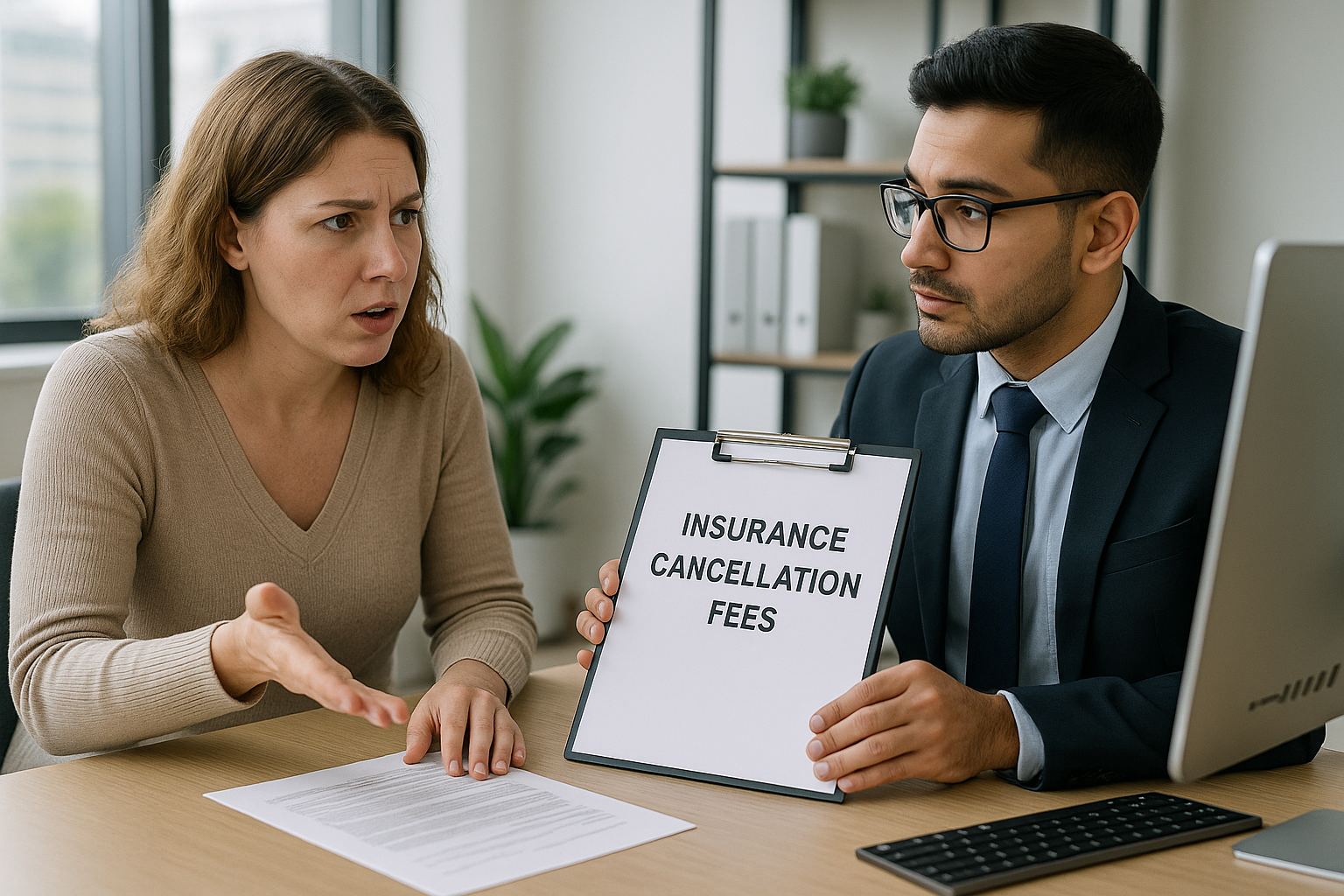
Most insurers charge either a flat cancellation fee (usually less than $100) or what’s called a “short-rate cancellation” fee, which is approximately 10-15% of the remaining premium. Some companies, however, waive cancellation fees if you’ve held the policy for a certain period—typically 60-90 days.
Let’s break down what this might look like with real numbers. If you purchase a six-month policy for $1,104 (the Florida average) and cancel after three months:
– You’d expect a prorated refund of about $552 without any fees
– With a $50 flat fee, your refund would be reduced to approximately $502
– With a 10% short-rate charge on the remaining premium, you’d receive around $497
Different insurers have varying cancellation policies, so it’s important to understand these terms before purchasing a policy you intend to cancel early.
Robert from St. Petersburg shared: “When I needed coverage for just four months while my son was home from college with his car, Florida All Risk Insurance found me a policy with no cancellation fees after 60 days, which saved me about $75 compared to other options.”
Temporary car insurance Florida alternatives require some planning, but with the right approach, you can maintain proper coverage without overpaying. At Florida All Risk Insurance, we’re always happy to help you steer these options based on your specific situation.
Conclusion
Navigating temporary car insurance Florida options isn’t always straightforward, but with the right knowledge, you can find practical solutions that keep you legally covered without breaking the bank in 2025. While the traditional insurance market doesn’t offer true short-term policies, the alternatives we’ve explored provide sensible approaches for your temporary coverage needs.
Throughout this guide, we’ve seen that while major insurers typically don’t offer policies shorter than six months in Florida, you’re not without options. Non-owner insurance stands out as an excellent solution for those who drive occasionally but don’t own a vehicle. At around $999 annually in Florida, it provides essential liability protection that follows you as a driver rather than being tied to a specific vehicle.
Many of our clients find that purchasing a standard policy and canceling early works perfectly for their temporary situations. Just be mindful of those potential cancellation fees, which can range from a flat fee under $100 to about 10-15% of your remaining premium. For very short-term needs, rental car insurance at $46-$57 per day provides straightforward coverage without long-term commitments.
We’ve helped numerous clients address changing coverage needs by modifying existing policies – adding or removing drivers as circumstances change can be much more efficient than starting fresh with new policies. Remember Maria from Tampa? She saved over $300 by temporarily removing her daughter from her policy while she studied abroad, rather than maintaining unnecessary coverage.
I can’t stress enough the importance of maintaining continuous coverage. Even short gaps can result in significantly higher future premiums – we’ve seen increases of 20% or more – not to mention the legal risks of driving uninsured in Florida. And please, be cautious about companies advertising those too-good-to-be-true ultra-short-term policies. As the saying goes, if it sounds too good to be true, it probably is.
Here at Florida All Risk Insurance, we understand that your situation is unique. Whether you’re a college student heading back to campus, a snowbird enjoying our beautiful winter weather, or someone who simply needs coverage for a limited time, we’re here to help you find the most appropriate and cost-effective solution for your temporary insurance needs.
I invite you to reach out to our team in St. Petersburg for personalized guidance. With our extensive network of carriers and deep understanding of Florida’s insurance landscape, we can help you maintain proper coverage while keeping your costs in check. Finding temporary coverage may require some creativity, but driving without proper insurance is never worth the risk – both financially and legally.
More info about Auto Insurance Coverage Options
The right insurance gives you peace of mind, even when your needs are temporary. Let us help you find that peace of mind, so you can focus on enjoying the Florida sunshine – whether you’re here for a day, a season, or a lifetime.