

Public liability risk is a crucial topic for any business owner to consider. At the core, it’s about understanding the potential for third-party claims that might arise if someone is injured or their property is damaged due to your business activities. This type of risk can threaten your financial security, potentially leading to costly legal proceedings or compensation payouts. Protecting your business with the right insurance coverage is essential for maintaining peace of mind and ensuring long-term viability.
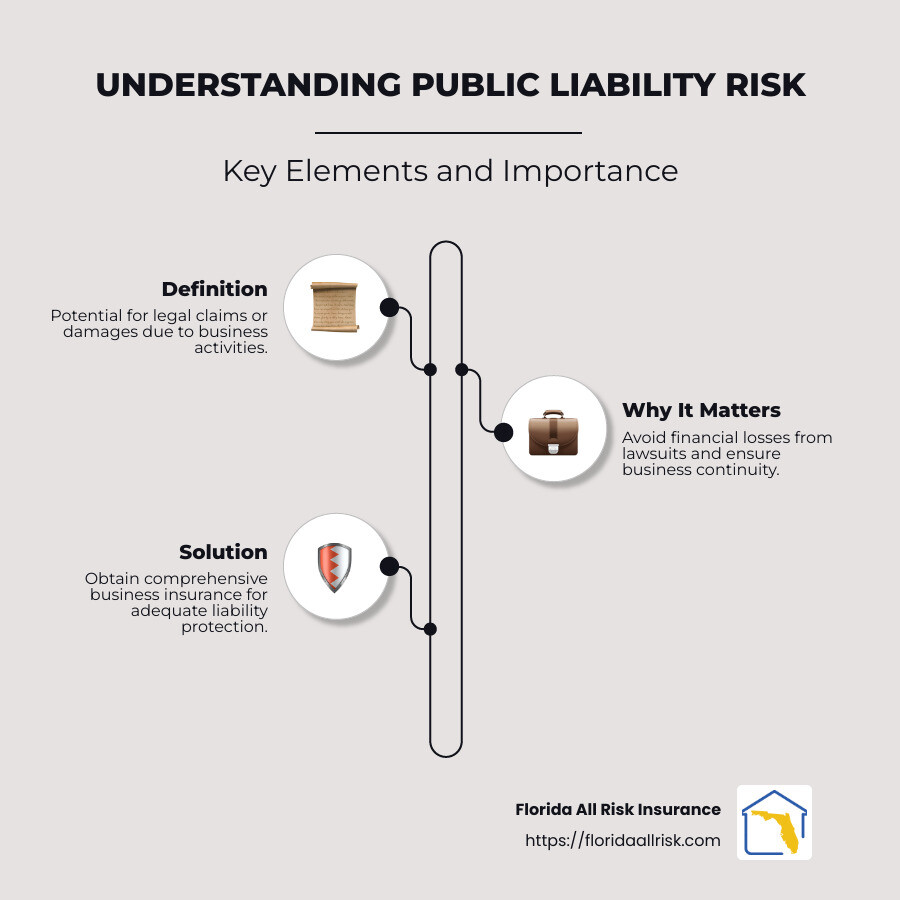
- Definition: The chance of facing legal claims or damages due to business activities.
- Why It Matters: Avoid financial losses from lawsuits and ensure business continuity.
- Solution: Obtain comprehensive business insurance for adequate liability protection.
I’m Jason Miller, a second-generation insurance professional with experience in public liability risk. Over my career, I’ve helped many businesses steer the complexities of insurance, ensuring they have the right coverage for their unique needs.
Key terms for public liability risk:
– contractor liability coverage
– general risk insurance
– high risk general liability insurance
Understanding Public Liability Risk
Public liability risk is something every business owner should be aware of. It’s all about the possibility of facing claims from third parties. These claims could arise if someone gets hurt or if their property is damaged because of what your business does.
Third-Party Claims
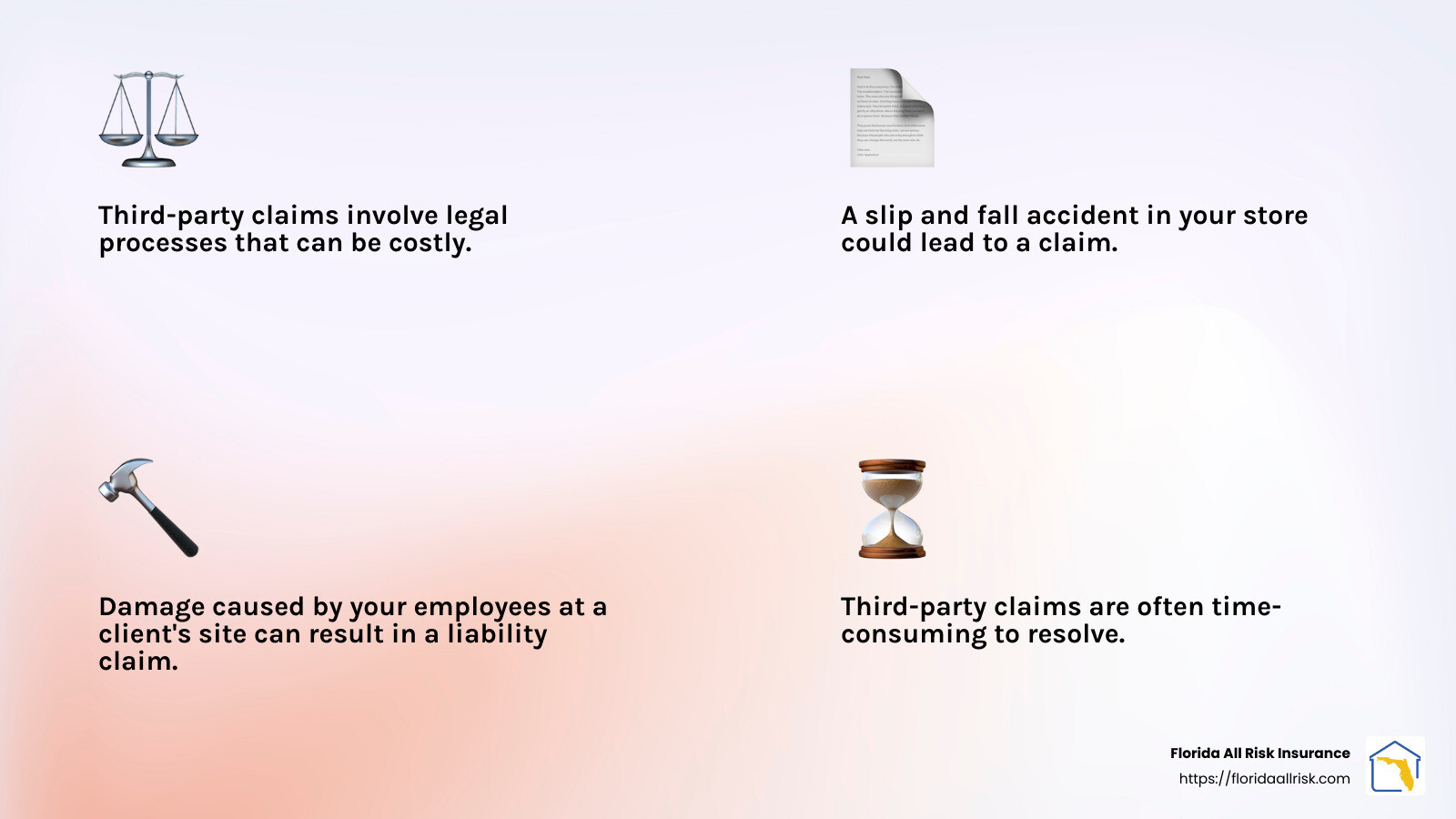
Third-party claims are when someone outside your business (like a customer or visitor) says they were harmed by your business activities. These claims can be costly and time-consuming. They can involve anything from a slip and fall in your store to damage caused by your employees at a client’s site.
Personal Injury
Personal injury claims are a common type of third-party claim. If someone is injured on your business premises or due to your business operations, they might seek compensation. For example, if a customer slips on a wet floor in your shop, they could file a claim for their medical expenses and other damages.
Property Damage
Property damage claims arise when your business activities cause harm to someone else’s property. This could be as simple as a contractor accidentally breaking a window during a job. These claims can lead to significant repair or replacement costs, which can be financially draining without the right insurance.
Understanding these risks and having the right coverage can protect your business from unexpected financial losses. Public liability insurance is crucial in managing these risks, ensuring that your business can handle claims without jeopardizing its financial health.
Importance of Public Liability Insurance
Public liability insurance is like a safety net for your business. It helps cover the costs when things go wrong, protecting you from financial strain. Let’s break down why this insurance is so important.
Legal Costs
Imagine someone files a claim against your business. Legal fees can add up quickly, even if the claim is baseless. Public liability insurance often covers these expenses, so you don’t have to pay out of pocket. This coverage ensures that your business can afford a robust legal defense, which is crucial when facing lawsuits.
Compensation Payouts
If your business is found liable for an injury or property damage, you might have to pay compensation. These payouts can be hefty, potentially reaching thousands or even millions of dollars. Public liability insurance helps cover these costs, preventing a single incident from bankrupting your business.
For example, if a customer slips in your store and requires surgery, the medical bills and compensation could be overwhelming. With insurance, these costs are managed, allowing your business to continue operating smoothly.
Business Protection
Beyond covering immediate costs, public liability insurance provides long-term business protection. It ensures that your business can survive and thrive despite unexpected claims. This security is especially important for small businesses, where one large claim could mean the difference between staying open or closing down.
Having this insurance also boosts your reputation. Clients and partners often prefer working with businesses that demonstrate responsibility by having adequate insurance coverage. It shows that you care about their safety and are prepared for unforeseen events.
In summary, public liability insurance is not just an option; it’s a necessity for any business that interacts with the public. It shields you from legal costs, helps with compensation payouts, and offers crucial protection to keep your business running smoothly.
Coverage Details of Public Liability Insurance
When it comes to public liability insurance, understanding the specifics of what’s covered is crucial. Let’s dive into the key areas this insurance protects: bodily injury, property damage, and legal fees.
Bodily Injury
Accidents happen, and when they do, bodily injury claims can be costly. Public liability insurance covers injuries that occur on your business premises or are caused by your business operations. For instance, if a customer trips over a loose carpet in your store and breaks an arm, your insurance can cover their medical expenses and any compensation claims.
Property Damage
Property damage is another significant risk. If your business activities cause damage to someone else’s property, public liability insurance has you covered. Imagine a scenario where a contractor accidentally breaks a client’s window during renovations. The insurance will cover the repair costs, saving your business from unexpected expenses.
Legal Fees
Legal battles can be expensive, even if you win the case. Public liability insurance often includes coverage for legal defense costs, which means it can pay for the lawyers and court fees. This is crucial because legal expenses can quickly add up, potentially straining your business finances. With insurance, you can focus on defending your business without worrying about the cost.
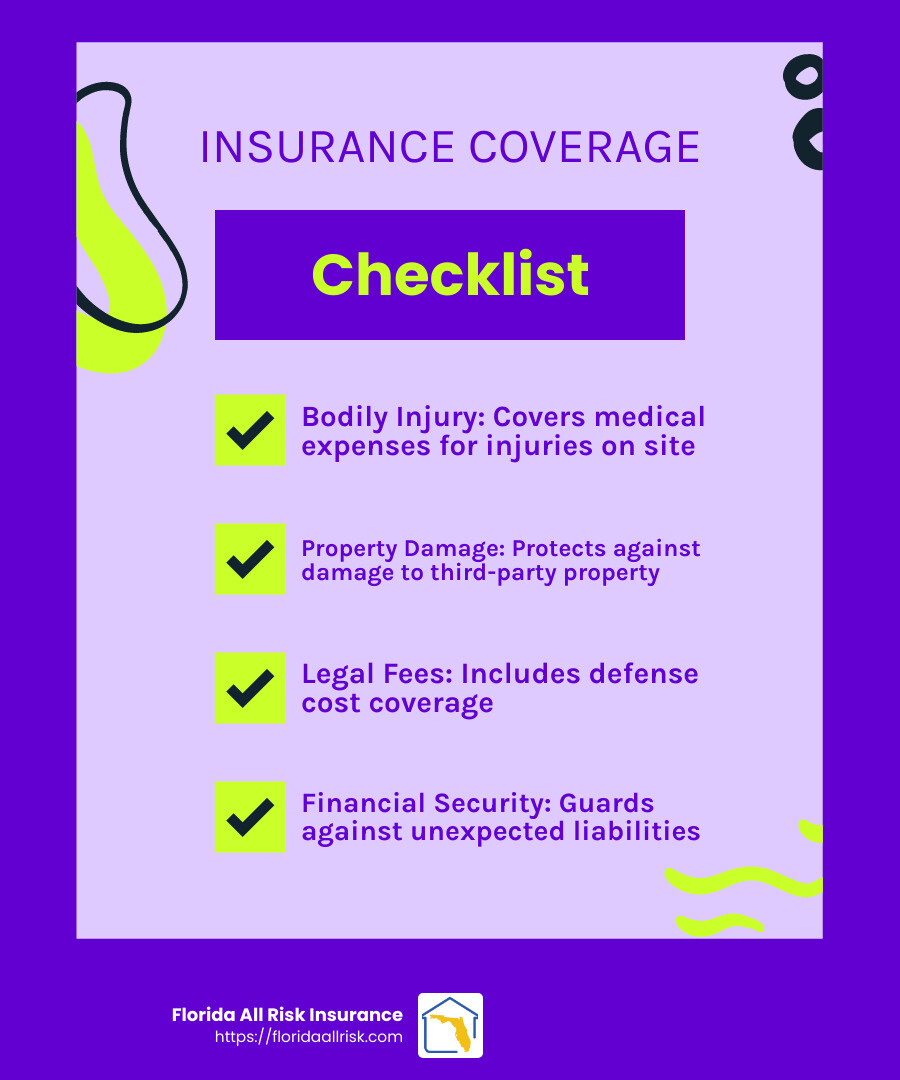
In short, public liability insurance offers comprehensive protection against common risks. It ensures that your business can handle bodily injury claims, property damage, and legal expenses without facing financial hardship. This coverage is vital for maintaining your business’s stability and reputation.
Next, we’ll explore the key considerations for assessing public liability risk and tailoring your policy to fit your industry-specific needs.
Public Liability Risk: Key Considerations
When it comes to managing public liability risk, there are a few crucial factors to keep in mind. These considerations help ensure that your business is adequately protected and that your insurance policy aligns with your specific needs.
Risk Assessment
The first step in managing public liability risk is conducting a thorough risk assessment. This involves identifying potential hazards that could lead to third-party claims. For example, if your business operates in a high-traffic area, the likelihood of accidents may be higher.
Use this assessment to pinpoint areas where you might need additional safety measures or insurance coverage. Understanding your risks is key to choosing the right level of protection.
Industry-Specific Needs
Different industries face different risks. For instance, a construction company will have different liability concerns compared to a retail store. Construction sites might deal with more severe bodily injuries, while a retail store might encounter more slip-and-fall cases.
Tailor your public liability insurance policy to address these industry-specific risks. Engage with an insurance broker who understands your field and can guide you to a policy that covers your unique challenges.
Policy Limits
Policy limits are the maximum amounts your insurance will pay for a claim. These limits can vary greatly depending on your business size, industry, and location.
For example, if you run a small café, a lower limit might suffice. But if you’re in a high-risk industry like construction, you might need higher limits to ensure full coverage. That higher limits often mean higher premiums, so balance your coverage needs with your budget.
In summary, managing public liability risk involves a combination of assessing your business’s unique risks, understanding industry-specific needs, and selecting appropriate policy limits. By doing so, you can ensure that your business remains protected against unforeseen liabilities.
Next, we’ll address some frequently asked questions about public liability insurance to further clarify its importance and applicability.
Frequently Asked Questions about Public Liability Risk
What is public liability insurance?
Public liability insurance is designed to protect your business from financial losses if a third party claims they were injured or their property was damaged due to your business activities. It’s essential for businesses that interact with the public, as it covers legal costs and compensation payouts. This insurance is different from professional liability insurance, which covers claims related to errors and omissions in professional services.
How does public liability insurance differ from general liability insurance?
While both types of insurance aim to protect businesses from claims, their coverage scope varies. General liability insurance is broader, covering not just third-party injuries and property damage, but also issues like advertising injury and reputational harm. Public liability insurance is more specific, focusing mainly on injuries and damages related to business operations. Your choice depends on your business needs and the risks you face.
What are common exclusions in public liability policies?
Understanding exclusions in public liability policies is crucial to avoid unexpected surprises. Here are some common exclusions:
- Asbestos: Many policies exclude claims related to asbestos exposure due to its high risk and potential for severe health impacts.
- Intentional Acts: If damage or injury is caused deliberately by your business or employees, it typically won’t be covered.
- Professional Services: Mistakes or omissions in professional advice or services are usually not covered under public liability but fall under professional liability insurance.
By knowing what public liability insurance covers—and what it doesn’t—you can better protect your business and make informed decisions about additional coverage you might need.
Conclusion
At Florida All Risk Insurance, we understand that every business is unique. That’s why we offer custom coverage options to ensure your business gets the protection it needs. Our team is dedicated to providing personalized service, helping you steer the complexities of public liability risk and find the right policy for your specific situation.
One of the key advantages of choosing us is our access to a wide range of carriers. This means we can offer you competitive rates without compromising on the quality of coverage. Whether you’re a small business owner or managing a large enterprise, we work with you to tailor an insurance plan that fits your budget and your business needs.
We know that the potential financial impact of third-party claims can be daunting. With our help, you can focus on running your business, confident that you have a solid safety net in place.
If you’re ready to explore how public liability insurance can protect your business, contact us today for a free quote. Let us help you secure the right coverage to safeguard your operations and give you peace of mind.

