Lawn Care Business Liability Insurance: Everyday Risks, Real Protection, and Smart Coverage Choices
Lawn and landscape companies thrive on precision, schedules, and hard work. But even the most careful crews face daily hazards—rocks kicked up by a mower smashing a window, a client tripping over a blower hose, overspray scorching a flowerbed, or an equipment trailer getting hit in traffic. These events are common, costly, and often out of your control. The right lawn care business liability insurance gives you a safety net so an accident doesn’t derail your business or your reputation.
This guide explains what coverage you need, how it works, how much it costs, and how to secure a policy that fits the way you operate. It’s written for solo operators, growing teams, and established firms alike—especially those working in Florida’s unique, year‑round lawn care environment.
Essential topics we’ll cover include:
- What general liability insurance covers (and what it doesn’t)
- How to layer in other crucial protections like workers’ compensation and tools coverage
- What drives premium costs and what you can do to control them
- How to compare quotes, choose limits, and satisfy client contract requirements
If you’re already comparing options, you can review an overview of General Liability from Florida All Risk Insurance here: General Liability Insurance.
Essential coverage quick reference for lawn professionals:
- General Liability: Covers third‑party injuries and property damage linked to your operations. See General Liability.
- Workers’ Compensation: Helps with employee injuries and lost wages; often required if you have employees. See Workers’ Compensation.
- Commercial Auto: Covers vehicles titled to or used by your business. See Commercial Auto.
- Equipment Coverage (Inland Marine): Covers mowers, trimmers, blowers, and other gear wherever you take them. See Inland Marine (Tools & Equipment).
Who this guide is for:
- Solo owner‑operators upgrading from a basic policy to meet larger client requirements
- Growing crews adding vehicles, employees, and more complex services
- Established operations that need to confirm their coverage matches today’s risks and contracts
What you’ll walk away with:
- A practical understanding of how policies respond to real‑world claims
- A checklist of information you’ll need to get accurate quotes
- Clear steps to secure compliant certificates of insurance (COIs) and keep jobs moving
Why Liability Insurance Is Non‑Negotiable for Lawn Care Businesses
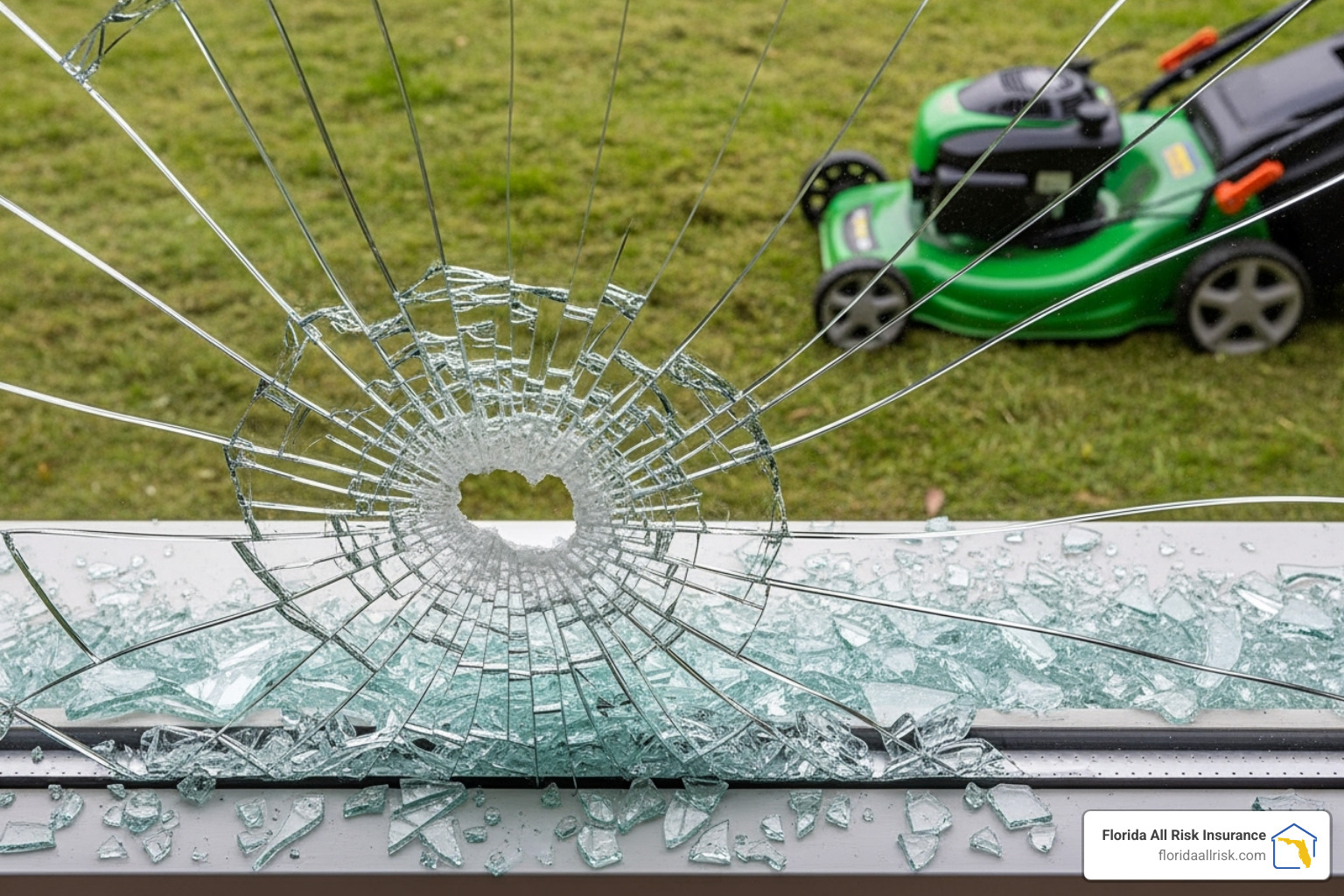
Picture this: a mower hits a buried rock and sends it into a client’s sliding glass door. It’s a routine pass around the yard—until it isn’t. Now you’re fielding calls, apologizing, and facing a repair bill. With the right liability insurance, that stress becomes manageable: you report the claim, your insurer coordinates the fix, and you keep your day on track.
The Cost of Going Bare (or Under‑Insured)
Uninsured or under‑insured lawn businesses absorb the full cost of accidents. A broken window is inconvenient, but bodily injury or a lawsuit can be financially catastrophic. Medical expenses, lost wages, and legal defense can quickly escalate into tens or hundreds of thousands of dollars. The U.S. Small Business Administration’s guidance on business insurance highlights this reality: insurance is essential to safeguard your assets from claims that could otherwise threaten your livelihood.
Consider a few everyday scenarios:
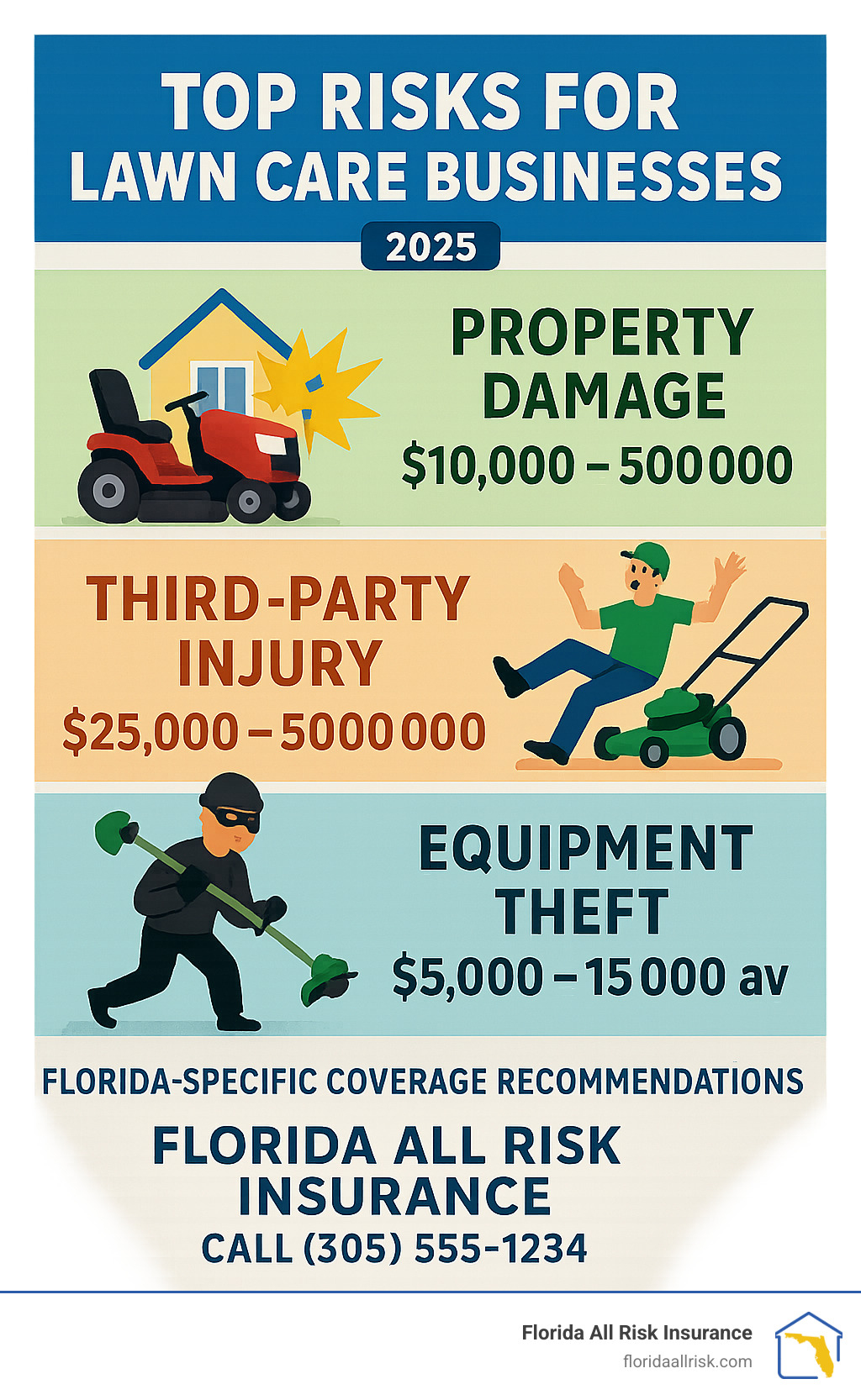
- Property damage: A trimmer scratches a parked car; a mower blade strikes a sprinkler head or landscape lighting; mulch dye stains a driveway. Repair and clean‑up bills can vary from a few hundred to many thousands of dollars.
- Bodily injury: A client trips over a hose or a neighbor is struck by debris from a string trimmer. Medical bills, rehabilitation, and potential liability damages add up quickly.
- Personal and advertising injury: A competitor alleges your ad copy disparaged their business; a stock photo in your brochure draws a copyright complaint.
Proof of Insurance Helps You Win Work
Many residential communities, property managers, and commercial clients require a Certificate of Insurance (COI) before you step on site. A COI is often the bare minimum; larger contracts may also stipulate special endorsements, such as additional insured status, primary/non‑contributory wording, and waiver of subrogation. Being prepared to provide compliant COIs speeds up onboarding and positions you as a professional partner who respects client requirements.
Protect Your Reputation With Professional Claims Handling
A single unresolved incident can ripple through online reviews and referrals. Liability insurance includes claims handling and legal defense, which means experienced professionals step in to investigate, negotiate, and settle covered claims. That support helps you maintain trust with clients, manage communication effectively, and demonstrate responsibility when accidents happen.
For context on industry safety, the landscaping trade experiences thousands of injuries each year. The Bureau of Labor Statistics consistently reports data showing the physical demands and hazards of outdoor work. Coverage is about more than checking a box—it’s a realistic response to everyday exposure.
Understanding Lawn Care Business Liability Insurance
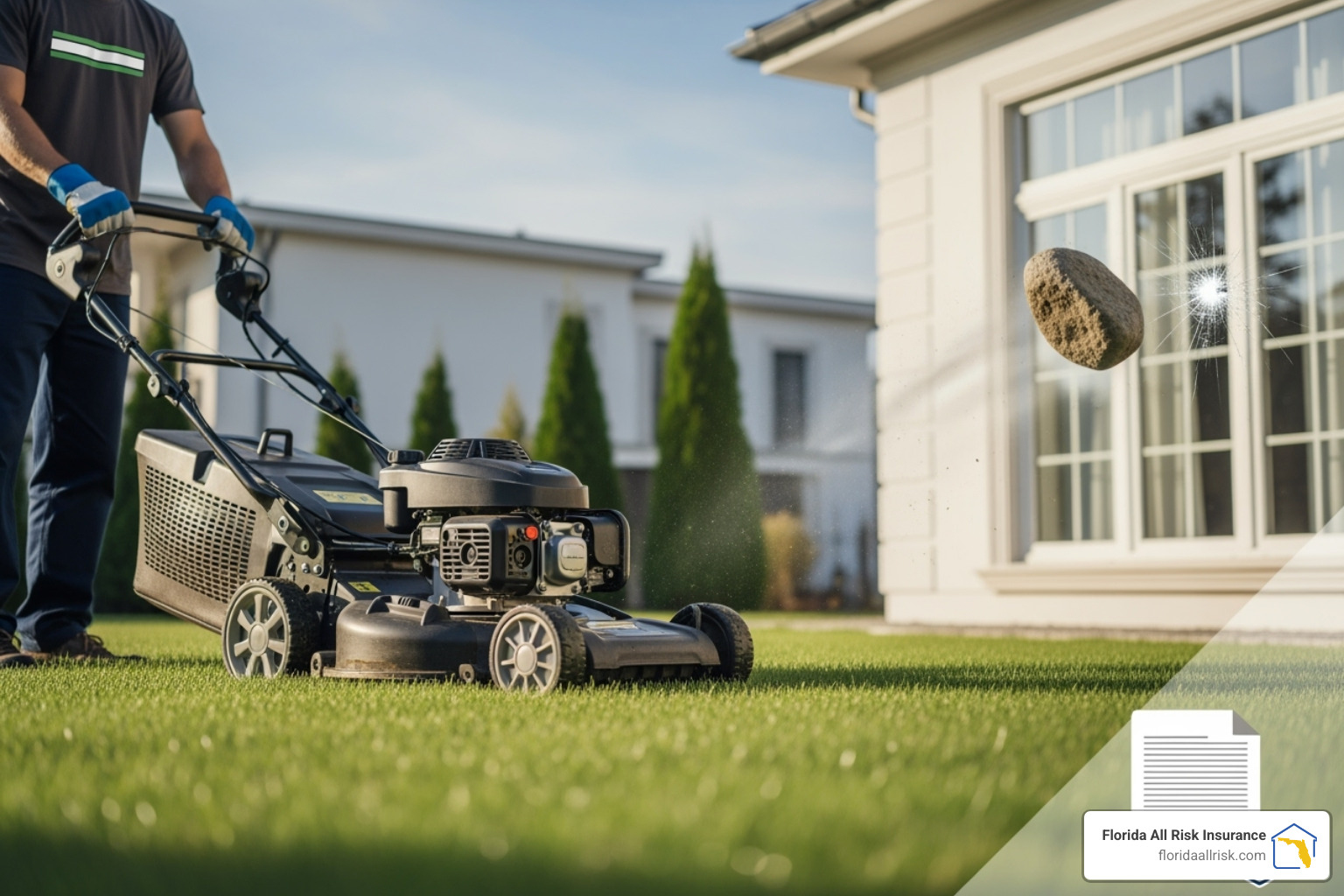
General liability insurance is your foundational layer of protection. It’s designed to respond when your operations allegedly cause bodily injury, property damage, or certain personal/advertising injuries to others. For many clients, it’s the first coverage they ask to see on a certificate.
If you want to dig into specifics or request a certificate, start here: General Liability Insurance.
What General Liability Typically Covers
- Third‑party property damage: Damage to someone else’s property caused by your operations—think broken windows, damaged fencing, cut irrigation lines, or scratched vehicles.
- Third‑party bodily injury: Injuries to non‑employees tied to your work, such as a client or passerby injured by flying debris.
- Personal and advertising injury: Certain non‑physical injuries like libel, slander, or copyright infringement allegations stemming from your marketing.
- Medical payments: Often includes limited no‑fault payments for minor injuries to help prevent small incidents from becoming lawsuits.
Property Damage vs. Bodily Injury: Why It Matters
- Property damage claims revolve around physical damage to tangible items—windows, vehicles, mailboxes, irrigation systems, outdoor lighting, and more. These claims are common and can be expensive.
- Bodily injury claims involve harm to people, which frequently carry higher costs due to medical expenses, lost wages, and potential pain‑and‑suffering damages.
Understanding which bucket an event falls into informs how you document the incident, respond to the client, and report it to your insurer.
Legal Defense Is a Major Part of Your Protection
Even a groundless claim can be costly to defend. A general liability policy typically covers your legal defense, court costs, and settlement or judgment amounts (up to policy limits). That means your insurer arranges counsel and manages the process so you can focus on running your routes.
Occurrence vs. Claims‑Made Forms
General liability policies for contractors are typically written on an occurrence form. If a covered incident occurs during the policy period, the policy that was in force at the time of the event will generally respond—even if the claim is reported later. This is well‑suited to lawn care operations, where accidental damage can be finded after the job is complete.
Policy Limits and Aggregates (What the Numbers Mean)
A common structure is $1 million per occurrence / $2 million aggregate. “Per occurrence” is the most the insurer will pay for any one covered incident. “Aggregate” is the most the insurer will pay for all covered claims during the policy term. Some contracts require higher limits or special aggregates, like a per‑project aggregate. Your agent can tailor limits to your client mix and risk tolerance.
Common Exclusions and How to Address Them
Every policy has exclusions. Understanding them helps you close gaps before a claim happens:
- Pollution: Standard general liability often excludes pollution, which can affect claims involving overspray, chemical drift, or spills. Consider a separate Pollution Liability policy or specific pesticide/herbicide endorsements.
- Auto: Damage or injuries arising from the use of vehicles typically falls under Commercial Auto, not general liability.
- Workers’ injuries: Injuries to employees are handled by Workers’ Compensation, not general liability.
- Your property and tools: Damage to your own gear and mobile equipment belongs under Inland Marine (Tools & Equipment).
- Damage to your work/your product: Many policies exclude or limit damage to work you performed or products you supplied; clarify how these exclusions apply to lawn care and landscape services.
- Professional services: If you provide design, consulting, or specialized advice (e.g., irrigation layout or plant selection plans), consider Professional Liability (E&O).
Certificates of Insurance (COIs) and Contract Compliance
Lawn care contracts—from HOAs to commercial properties—can require:
- Additional insured status: Grants your client coverage under your policy for liability arising out of your work for them.
- Primary and non‑contributory wording: Requires your policy to respond before the client’s insurance.
- Waiver of subrogation: Prevents your insurer from seeking recovery from the client after paying a claim.
- Per‑project or per‑location aggregates: Useful when you work across multiple sites.
Confirm which endorsements your clients need and make sure they are actually added to the policy (not just listed on the certificate). Your agent can help streamline COI turnaround so scheduling isn’t delayed.
Practical Claim Examples (How Coverage Can Apply)
- The broken window: Your mower throws debris through a patio door. General liability can handle the property damage claim, including glass replacement and related cleanup.
- Trip and fall: A client trips over a blower hose and fractures a wrist. Medical payments may respond for minor costs, and general liability can step in for larger bodily injury claims.
- Advertising dispute: A competitor alleges a slanderous statement in your social media. Personal and advertising injury coverage can provide defense and potential settlement within policy terms.
Understanding these mechanics helps you pick the right limits and endorsements before you sign the next service agreement.
Beyond General Liability: Building a Complete Protection Plan
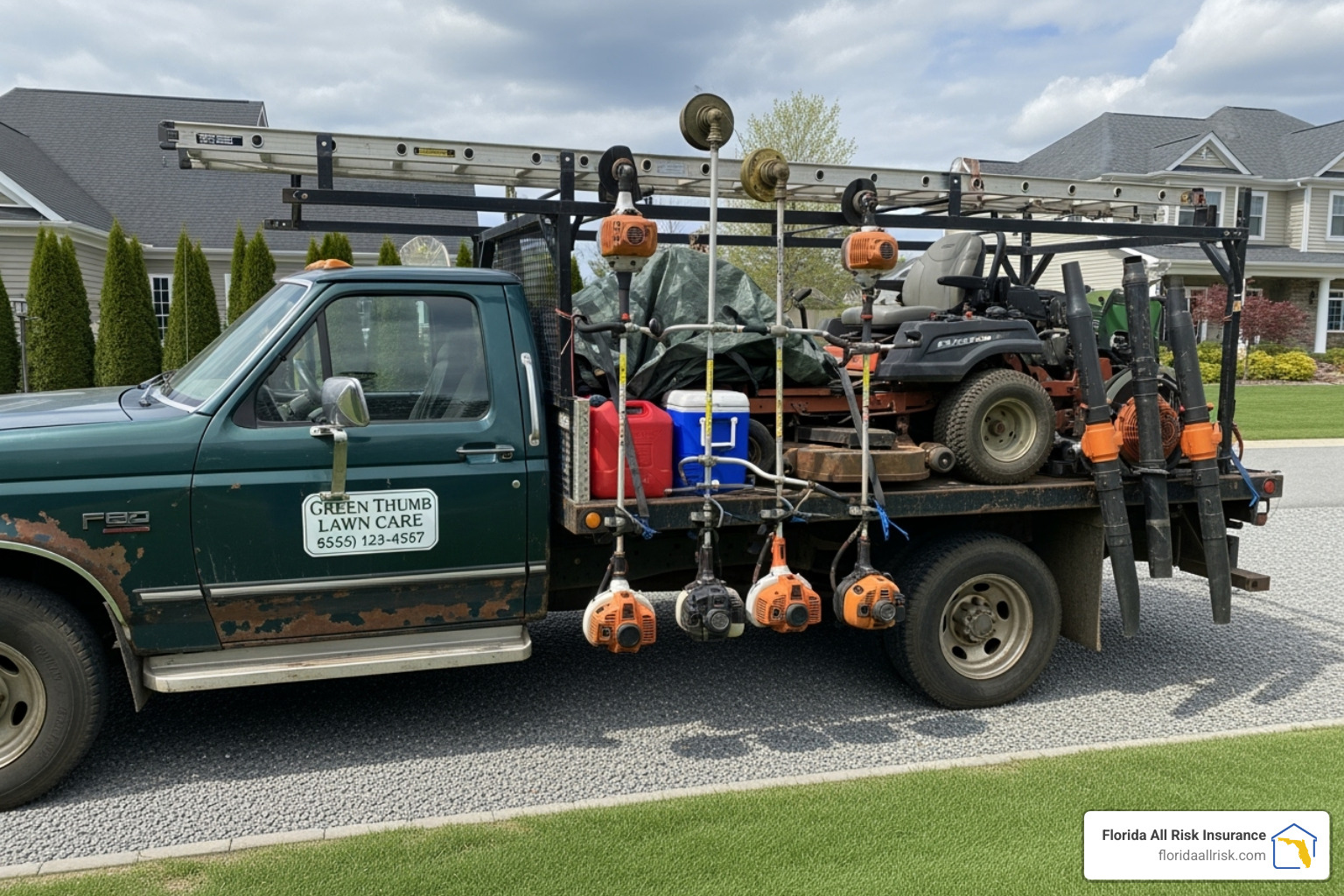
General liability is the foundation, but it isn’t built to cover every risk you face. A well‑rounded insurance program blends multiple coverages, often packaged to keep costs efficient and certificates simple. A Business Owner’s Policy (BOP) is one common way to bundle general liability with property coverage for your shop or storage location.
Comparing Essential Lawn Care Business Coverages
| Coverage Type | What It Protects | Who Needs It |
|---|---|---|
| General Liability | Third‑party injury and property damage stemming from your operations, premises, or completed work. | All lawn and landscape businesses. See General Liability. |
| Workers’ Compensation | Employee medical bills and a portion of lost wages for on‑the‑job injuries or illnesses. Often legally required when you have employees. | Any business with employees. See Workers’ Compensation. |
| Commercial Auto | Liability and physical damage for vehicles used in your business (including trucks and trailers). | Any business using vehicles for work. See Commercial Auto. |
| Inland Marine (Tools & Equipment) | Your portable equipment (mowers, trimmers, blowers) against theft, fire, and other covered losses on the job, in transit, or in storage. | Operations with mobile gear. See Inland Marine (Tools & Equipment). |
| Professional Liability (E&O) | Alleged errors, omissions, or negligence in professional services (e.g., design/consulting). | Businesses offering plans, specs, or specialized advice. See Professional Liability. |
| Commercial Property | Buildings you own or lease and contents (spare equipment, parts, office furniture) against fire, theft, vandalism, and more. | Businesses with a shop, office, or storage site. See Commercial Property. |
| Business Interruption | Lost income and extra expense when a covered property loss shuts down or slows your operations. | Any business relying on a physical location. See Business Interruption. |
| Pollution Liability | Bodily injury, property damage, and cleanup costs from certain chemical releases, overspray, or environmental incidents. | Businesses using pesticides, herbicides, or fertilizers. See Pollution Liability. |
Workers’ Compensation: Take Care of Your Team and Stay Compliant
Crews work outdoors with power equipment, uneven terrain, and heat—injuries can and do happen. Workers’ compensation helps pay medical bills and a portion of lost wages for covered work‑related injuries or illnesses, and it generally protects you from employee injury lawsuits related to those incidents. In Florida, it’s required for many employers; your agent can clarify when coverage is mandatory based on your operations and headcount. For safety guidance, review OSHA’s landscaping and horticultural services resources for best practices and training ideas.
Commercial Auto and Trailers
Personal auto policies often exclude business use. If you’re transporting gear, employees, or trailers, dedicated commercial auto insurance is essential. It can include liability coverage, physical damage for your vehicles, hired and non‑owned auto (when employees occasionally use personal vehicles for work), and coverage for attached or scheduled trailers. Confirm how your policy treats permanently attached equipment and toolboxes.
Tools and Equipment (Inland Marine)
Your business depends on gear that moves—riding mowers, stand‑ons, push mowers, edgers, trimmers, blowers, chainsaws, and more. An inland marine policy follows that equipment between jobs, in your truck, and at the site. Schedule high‑value items, keep serial numbers handy, and consider theft‑prevention steps like trailer locks and GPS tags; good controls can help with underwriting and claims.
BOPs, Property, and Business Interruption
A Business Owner’s Policy often bundles general liability and commercial property for shops, offices, or storage facilities. If a covered property loss (like a fire) forces you to pause operations, business interruption (also called business income) can help replace lost revenue and fund extra expenses during the downtime. Review your limits annually to reflect growth in equipment and inventory.
Pollution Liability and Pesticide/Herbicide Exposure
Even careful applicators can face drift or overspray claims, accidental spills, and neighbor complaints. Because general liability often excludes pollution, contractors who apply chemicals should strongly consider separate pollution liability coverage or specific endorsements that address pesticide/herbicide exposures. This is particularly relevant in dense neighborhoods or near waterways.
When to Consider Professional Liability (E&O)
If your services include design or consulting—plant selection, irrigation layout, grading recommendations, or construction advice—professional liability can help with allegations that your advice caused a financial loss. Even if your work is primarily maintenance, E&O can be valuable when clients rely on your guidance for decisions that carry cost or property implications.
What Lawn Care Liability Insurance Costs—and What Affects the Price

Many owners are pleasantly surprised by how affordable a solid liability policy can be compared to the financial impact of a single uninsured loss.
Typical Cost Ranges
While pricing varies by carrier and state, many lawn care businesses see the following ballpark ranges for general liability:
- $1 million per occurrence / $2 million aggregate general liability: roughly $400–$1,500 per year for many small to midsize operators
- More comprehensive packages or higher limits: roughly $500–$2,200 per year, depending on operations and risk profile
Other common coverages scale with exposure:
- Workers’ compensation: Premium is largely driven by payroll, job classification, and claims history.
- Commercial auto: Vehicle type, driving records, and garaging ZIP code matter. Adding trailers and scheduling higher‐value vehicles increases cost.
- Inland marine (tools & equipment): Based on the total replacement value of your scheduled and unscheduled tools.
These are averages—not quotes. An independent agent can compare carriers and tailor limits to your work mix.
Factors That Drive Premiums
- Services performed: Routine mowing typically costs less to insure than services that involve tree work, chemical applications, or hardscaping.
- Revenue and payroll: More activity means more exposure and typically a higher premium.
- Location and territory: Coastal or high‐theft areas can affect rates, as can local legal trends.
- Equipment values: More or higher‐value tools and mowers increase inland marine premiums.
- Claims history and safety culture: Clean loss runs and documented safety practices support better pricing and broader coverage terms.
- Limits and deductibles: Higher limits increase premiums; higher deductibles can lower them (ensure your deductible aligns with your cash reserves).
A Deeper Look at High-Risk Services
Insurers classify services based on their potential for causing expensive claims. Understanding why certain activities carry higher premiums can help you price your jobs and manage your risk effectively.
- Tree Work: Any work performed at height, such as tree trimming or removal, significantly increases the risk of severe bodily injury (to people on the ground) and major property damage (to homes, vehicles, or power lines). Insurers will want to know the maximum height you work at, whether you perform full removals, and what safety protocols are in place. This is often one of the most expensive endorsements or may even require a separate policy.
- Pesticide and Herbicide Application: The risk of chemical drift causing damage to a neighbor’s prized rose bushes, contaminating a waterway, or causing an allergic reaction is a major concern. This is why a standard general liability policy often has a pollution exclusion. Adding coverage for this exposure (often called a pesticide/herbicide applicator endorsement) is critical and will increase your premium. Insurers will ask about the types of chemicals used, your licensing and certification, and your procedures for managing drift.
- Hardscaping and Excavation: Installing patios, retaining walls, or irrigation systems introduces new risks. Digging can lead to striking underground utility lines (gas, water, electric), which can be catastrophic. Altering drainage patterns can cause water damage to the client’s or a neighbor’s property. The weight of materials and equipment increases the potential for structural damage. These operations are rated higher than simple lawn maintenance due to the complexity and potential for high-cost errors.
Sample Scenarios (Illustrative, Not Quotes)
- Solo operator, mowing and trimming only: A lean operation with modest annual revenue and no employees may secure general liability closer to the lower end of the range.
- Small crew with a truck and trailer: Adding employees, a vehicle, and more equipment increases costs for workers’ comp, commercial auto, and inland marine.
- Mid‐sized firm with spraying: Chemical applications and more complex services increase both premium and the need for pollution liability.
Practical Ways to Manage Cost Without Sacrificing Protection
- Bundle strategically: A Business Owner’s Policy may be more cost‐effective than buying separate policies.
- Formalize safety: Written procedures for PPE, equipment maintenance, and jobsite walk‐throughs reduce claim frequency and severity. OSHA’s landscaping resources at osha.gov/landscaping are a helpful reference.
- Add theft deterrents: Lock trailers, mark tools, and maintain an inventory with serial numbers; these steps help during claims and can support favorable underwriting.
- Review limits annually: Update equipment schedules, confirm revenue/payroll estimates, and adjust coverage for new services.
- Compare carriers: Independent agents can shop multiple insurers and identify credits you qualify for.
How to Secure the Right Liability Coverage

Getting insured doesn’t have to be complicated. A little preparation goes a long way toward fast, accurate quotes and fewer surprises once you’re on the job.
Information to Gather for Quotes
- Legal business name, mailing and operations address, and FEIN
- Projected annual revenue and payroll by role (e.g., owners, field, clerical)
- List of services (mowing, trimming, edging, aeration, dethatching, chemical application, irrigation, design/consulting, hardscape, tree work)
- Equipment inventory with replacement cost estimates; serial numbers for high‑value items
- Vehicle details (year, make, model, VIN, usage) and how/where vehicles are garaged
- Prior coverage and loss runs (typically 3–5 years), including explanations for any claims
Questions to Expect From Underwriters
- What percentage of your work involves chemical application, tree work, or hardscaping?
- Do you subcontract any services? If so, how do you vet subs and collect COIs?
- What safety training do employees receive (PPE, equipment operation, heat stress, vehicle/trailer safety)?
- How do you secure equipment in the field and after hours?
- Do contracts require additional insured status, waivers of subrogation, or primary/non‑contributory wording?
Choosing Limits and Endorsements
- Core limits: Many lawn businesses select $1M/$2M general liability limits; larger clients or public entities may require higher limits.
- Endorsements for contracts: Additional insured, waiver of subrogation, and primary/non‑contributory endorsements are common.
- Chemical exposures: Consider pollution liability or specific pesticide/herbicide coverage.
- Property and income: If you have a shop or store significant gear, look at a BOP that includes Commercial Property and Business Interruption.
- Vehicles and trailers: Align Commercial Auto limits with your risk and client requirements; consider hired/non‑owned auto if employees occasionally drive personal vehicles for work.
Comparing Quotes the Right Way
- Match limits and deductibles: Apples‑to‑apples comparisons reveal true pricing and coverage differences.
- Confirm exclusions: Especially around chemicals, tree work, and design/consulting.
- Review carrier strength: Independent ratings (e.g., AM Best) can indicate financial stability for long‑term claims.
- Verify COI turnaround: Ensure your agent can issue compliant certificates quickly with required endorsements.
After You Bind Coverage
- Store policies and COIs in a shared folder so staff can retrieve them easily.
- Keep a simple incident reporting procedure and contact info in each truck.
- Schedule tools as you purchase them and remove items you’ve sold to keep inland marine accurate.
- Calendar an annual review to update revenue, payroll, operations, and equipment.
By building a program custom to your routes, clients, and gear, you’ll spend less time worrying about “what if” and more time growing your accounts.
Conclusion: Protect Your Business and Grow With Confidence
Running a lawn care business means balancing tight schedules, customer expectations, and equipment logistics—often in tough weather. The right insurance program turns unpredictable moments into manageable events. With thoughtful limits, the proper endorsements, and an agent who knows the lawn and landscape space, you’ll meet client requirements, protect your team, and keep projects moving.
Ready to explore options or firm up your coverage?
- Get a personalized quote and learn how general liability fits into a complete plan: Get a General Liability Quote from Florida All Risk Insurance
Contact Us
Florida All Risk Insurance
Address: 7710 66th St N, Pinellas Park, FL 33781
Email: [email protected]