When it comes to running a business, understanding how much general liability insurance do I need is a crucial first step. This type of insurance shields your business from potential lawsuits and claims arising from bodily injuries, property damage, or personal injuries that might occur during operations. It’s not just about compliance; it’s about safeguarding your assets and securing peace of mind. As businesses face diverse risks, determining the right amount of coverage can save them from financial pitfalls.
Key considerations:
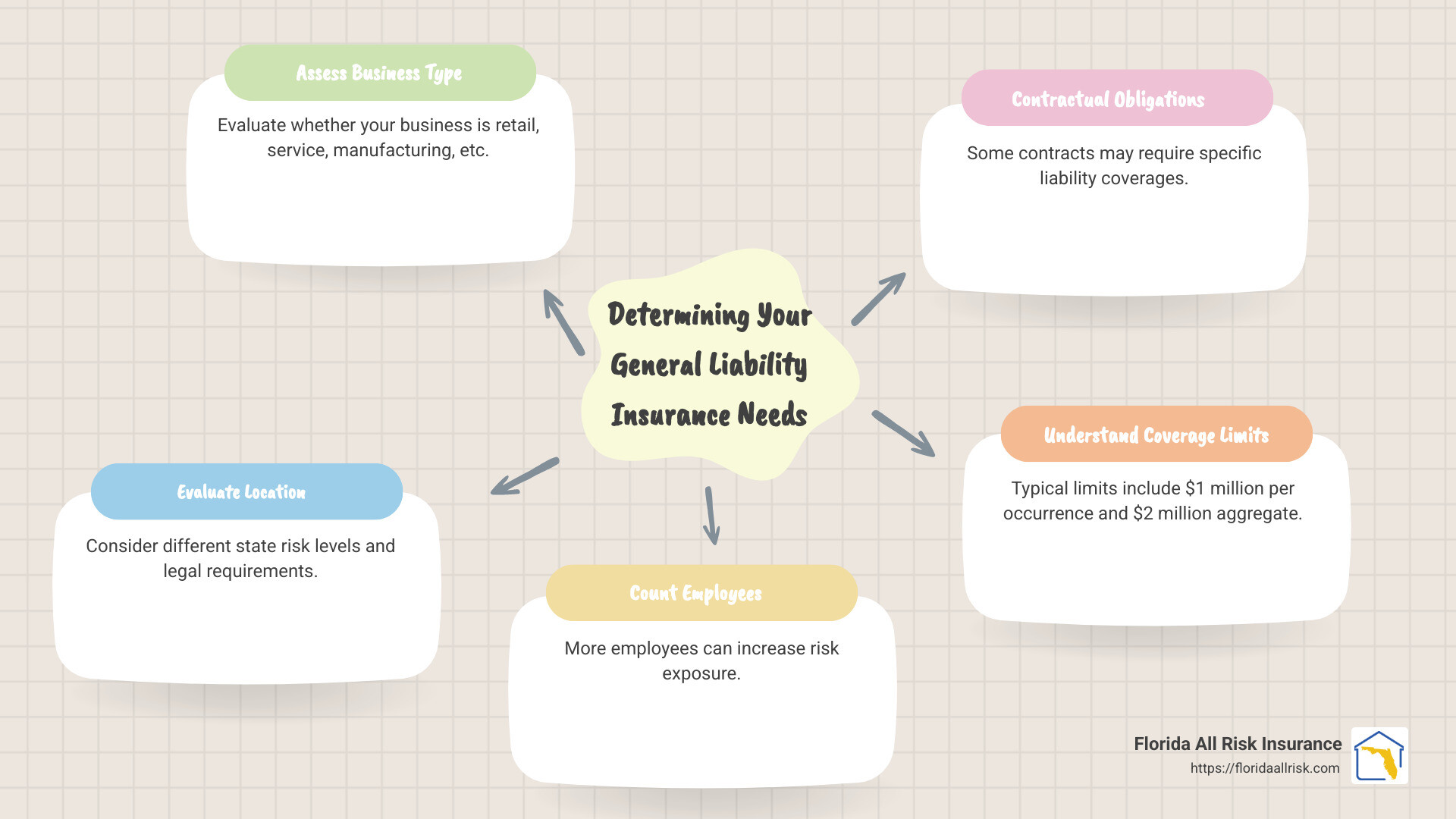
– Assess your business type: Retail, service, manufacturing, etc.
– Evaluate your location: Some states have different risk levels and requirements.
– Employee count: More employees can mean more risk.
– Contractual obligations: Some contracts require specific liability coverages.
I’m Jason Miller. With over 20 years of experience in the insurance industry, especially in helping businesses understand how much general liability insurance do I need, I’ve guided many to find the perfect coverage that matches their unique needs.
How much general liability insurance do i need vocabulary:
– general liability insurance
– contractor liability insurance coverage
– professional liability insurance for independent contractors
Understanding General Liability Insurance
When you think about general liability insurance, imagine it as a safety net for your business. This insurance covers three main areas: bodily injury, property damage, and personal injury. Let’s break these down.
Bodily Injury
Bodily injury coverage is crucial for any business. It kicks in when someone gets hurt while on your premises or as a result of your business operations. Picture this: a customer slips on a wet floor in your store and fractures their wrist. Without insurance, you might have to pay for their medical bills out of pocket. With general liability insurance, those costs are covered, protecting your finances and your business reputation.
Property Damage
Next, there’s property damage. This covers incidents where your business activities cause damage to someone else’s property. For instance, if you run a landscaping business and accidentally damage a client’s fence, this policy can cover the repair costs. This not only saves you money but also helps maintain good relationships with your clients.
Personal Injury
Lastly, personal injury coverage is about more than just physical harm. It includes protection against claims of libel, slander, or even copyright infringement. Imagine your business accidentally using a copyrighted image in an advertisement. A lawsuit could be costly, but with personal injury coverage, those legal expenses could be covered.
General liability insurance is not just a legal formality; it’s a strategic investment in the longevity and stability of your business. Understanding how these coverages work can help you determine the right amount of insurance for your needs.

In the next section, we’ll dive deeper into how to decide how much general liability insurance do you need by looking at factors like business size, risk levels, and more.
How Much General Liability Insurance Do I Need?
Deciding how much general liability insurance do you need can feel like a tough puzzle. But it boils down to understanding a few key factors: coverage limits, business size, risk factors, business type, number of employees, and location.
Factors Influencing Coverage Needs
-
Business Type: Different businesses face different risks. A coffee shop might worry about slip-and-fall accidents, while a tech company might be more concerned about data breaches. Identify the unique risks your business faces to determine your coverage needs.
-
Number of Employees: More employees can mean more risk. If you have a larger team, there’s a higher chance that someone could cause or be involved in an incident leading to a claim.
-
Location: Where your business operates can influence your insurance needs. A busy city might have more foot traffic and, therefore, a higher likelihood of accidents compared to a rural area.
-
Business Size: Larger businesses often face bigger risks and may require more coverage. A small boutique might not need as much insurance as a large manufacturing plant.
-
Risk Factors: Consider any specific risks associated with your industry. For example, construction companies might need higher limits due to the physical nature of their work.
Typical Coverage Limits
Most small business owners opt for a policy with a $1 million per occurrence limit and a $2 million aggregate limit.
-
$1 Million Per Occurrence: This is the maximum amount your insurer will pay for a single claim. So, if a customer sues your business for a slip-and-fall accident, your insurance can cover up to $1 million of the costs.
-
$2 Million Aggregate: This is the total amount your insurer will pay for all claims during the policy period, usually one year. If multiple claims are filed against your business, the total payout from your insurer won’t exceed $2 million.

These limits are common because they offer a good balance of protection and affordability for many businesses. However, if you operate in a high-risk industry or have substantial assets to protect, you might need higher limits.
In the next section, we’ll explore the different types of liability insurance policies available and how they can complement your general liability coverage.
Types of Liability Insurance Policies
Understanding the different types of liability insurance policies can help you protect your business from various risks. Here’s a breakdown of the main types:
General Liability Insurance
General Liability Insurance is the backbone of business protection. It covers third-party injuries and property damage, which are common risks for many businesses. For instance, if a customer slips and falls in your store, this insurance can cover medical expenses and legal fees. It also protects against advertising injuries, like libel or slander claims.
Most businesses choose a policy with a $1 million per occurrence and a $2 million aggregate limit. This balance provides solid coverage for typical claims without breaking the bank.
Professional Liability Insurance
Also known as Errors and Omissions (E&O) Insurance, this policy is crucial for businesses that provide professional services or advice. It covers claims related to professional mistakes or negligence. For example, if a consultant gives advice that leads to a client’s financial loss, professional liability insurance can cover legal costs and settlements.
This type of insurance is particularly important for professions like law, accounting, and consulting, where the risk of professional errors is higher.
Cyber Liability Insurance
In our digital age, Cyber Liability Insurance is becoming increasingly vital. It protects businesses against data breaches and cyberattacks, which can result in significant financial losses and reputational damage. For example, if a hacker steals customer data from your database, this insurance can help cover the costs of notifying affected customers, legal fees, and even reputation management.
With cyber threats on the rise, businesses of all sizes should consider this coverage to safeguard their digital assets.
By understanding these policies, you can better protect your business from a wide range of potential liabilities. Next, we’ll address some frequently asked questions about general liability insurance to help clarify any remaining doubts you might have.
Frequently Asked Questions about General Liability Insurance
How is General Liability Insurance Calculated?
General liability insurance costs vary based on several factors. One key factor is the size of your business. Larger businesses typically face more risks, which can lead to higher premiums. The claims history of a business also plays a significant role. If your business has a history of frequent claims, insurers may view it as a higher risk, potentially increasing your premium.
Other considerations include the nature of your business activities and the location of your operations. Businesses in high-risk industries or areas may require more coverage, affecting the overall cost.
What is the Standard GL Limit?
For most small businesses, a standard general liability insurance policy offers a $1 million per occurrence limit and a $2 million aggregate limit. This means the policy will cover up to $1 million for each individual claim and a total of $2 million for all claims during the policy period, usually one year. These limits are designed to provide enough coverage for most common claims while keeping premiums affordable.
Do I Need Additional Liability Coverage?
Determining whether you need additional liability coverage often depends on your business’s specific risks. If your business faces a chain of liability—where one claim could lead to multiple related claims—it might be wise to consider extra coverage.
Umbrella policies can extend your liability coverage beyond standard limits, offering additional protection. For example, if a single incident results in claims that exceed your general liability limits, an umbrella policy can cover the excess amount. This is particularly valuable for businesses with higher risk exposures or those looking to safeguard against unforeseen large claims.
Understanding these aspects of general liability insurance can help you make informed decisions about the right coverage for your business.
Conclusion
At Florida All Risk Insurance, we understand that every business is unique. That’s why we offer personalized service to help you find the right coverage for your needs. Whether you’re a small business just starting out or a larger company with complex risks, we’ve got you covered.
Our team works closely with you to assess your specific situation. We consider factors like your business type, location, and risk exposure to tailor a custom coverage plan that fits your requirements. Our goal is to ensure you have the right amount of general liability insurance, so you can focus on what you do best—running your business.
Choosing the right insurance is more than just picking a policy. It’s about protecting your business from the unexpected. With our comprehensive solutions, you can feel confident knowing that you’re prepared for whatever comes your way.
To learn more about how we can help you find the perfect general liability insurance for your business, visit our General Liability Insurance page. Let us help you safeguard your business with the coverage it deserves.