

Florida flooding is a significant concern for homeowners in the Sunshine State. With Florida’s unique climate defined by its wet and dry seasons, the risk of flooding is a clear and present danger throughout the year. Floods can result from various factors, such as heavy rainfall, storm surges, and the state’s many low-lying areas. This makes Florida particularly susceptible to damage from such natural events.
For those facing this threat, it’s important to:
- Understand the specific flood threats in your community.
- Acknowledge that standard homeowner’s insurance typically doesn’t cover flood damage.
- Consider flood insurance through programs like the National Flood Insurance Program for added protection.
Taking action to insure against flooding can save homeowners significant financial loss and stress.
As someone who appreciates the importance of protecting both property and family, I’m Jason Miller, a dedicated professional at Florida All Risk Insurance. With over 20 years’ experience in Florida flooding insurance, my team and I are here to guide you through the complex insurance landscape to safeguard your assets against the unpredictable.
Must-know florida flooding terms:
– flood insurance Florida
– fema flood zone map
– average cost of flood insurance in florida
Understanding Florida Flooding
Florida’s geography and climate make it particularly vulnerable to flooding. The state is home to many low-lying areas, which are prone to collecting water during heavy rains and storm surges. These regions, especially in southeast Florida and along the coast, are at a heightened risk of flooding.
Low-Lying Areas:
Florida’s elevation is generally low, with certain areas just a few feet above sea level. This makes them susceptible to flooding, especially during periods of excessive rainfall. The Florida Keys, for example, are entirely located within a floodplain, with base flood elevations ranging from 6 to 17 feet above Mean Sea Level (MSL).
Storm Surge:
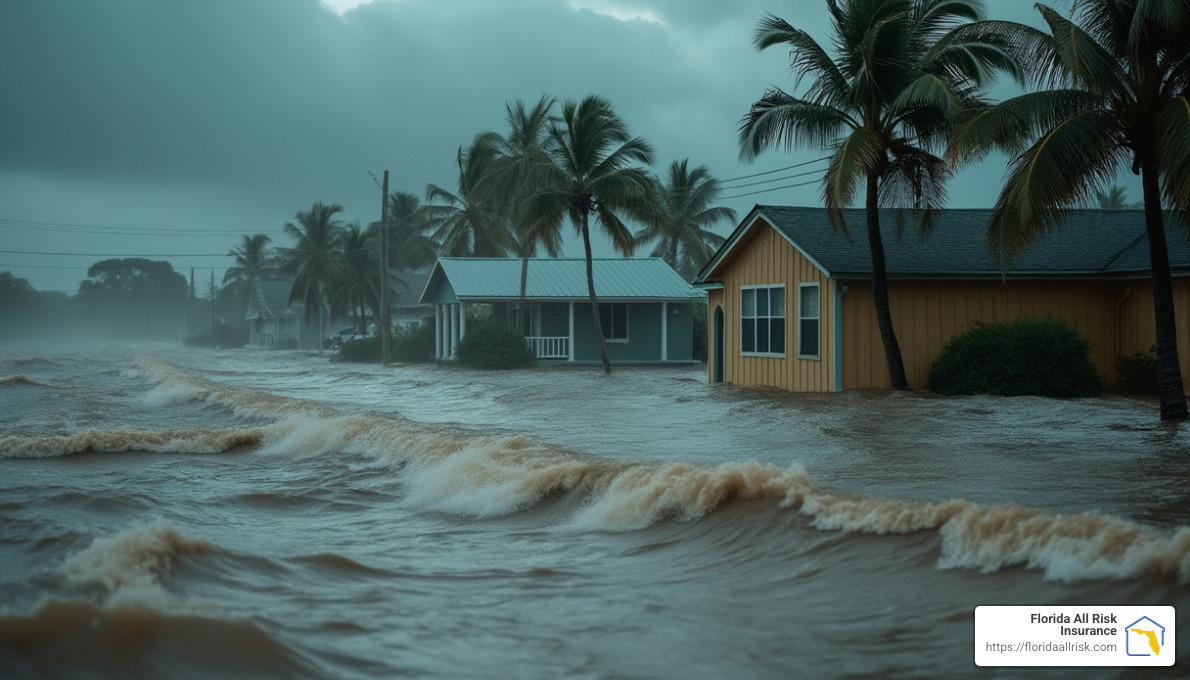
During hurricanes and tropical storms, strong winds push seawater onto the land, causing storm surges. This is a major cause of coastal flooding. For instance, Hurricane Dora brought tides estimated at 12 feet above normal to Anastasia Island, resulting in extensive damage to coastal infrastructure and homes.
Heavy Rainfall:
Florida experiences a defined rainy season from May through October. Cities like Miami and Tallahassee receive between 61-65 inches of rain annually. Excessive rain can overwhelm drainage systems, leading to widespread flooding. In June 2017, southeastern Florida saw over 19 inches of rain in just seven days, highlighting the potential for heavy rainfall to cause significant flooding.
Flash Flooding:
Flash floods can occur with little warning and are caused by sudden heavy rainfall. These floods are dangerous because they can lift debris and damage structures quickly. In August 2017, Fort Myers experienced 16.7 inches of rain over a weekend, significantly more than usual, leading to rapid flash flooding.
Understanding these elements of Florida flooding can help residents prepare and protect their homes and families. Whether it’s by recognizing the risks of low-lying areas, preparing for storm surges, or being alert to heavy rainfall forecasts, awareness is key to minimizing the impact of floods.
Being proactive by securing flood insurance and developing an emergency plan can provide peace of mind and financial protection.
The Importance of Flood Insurance
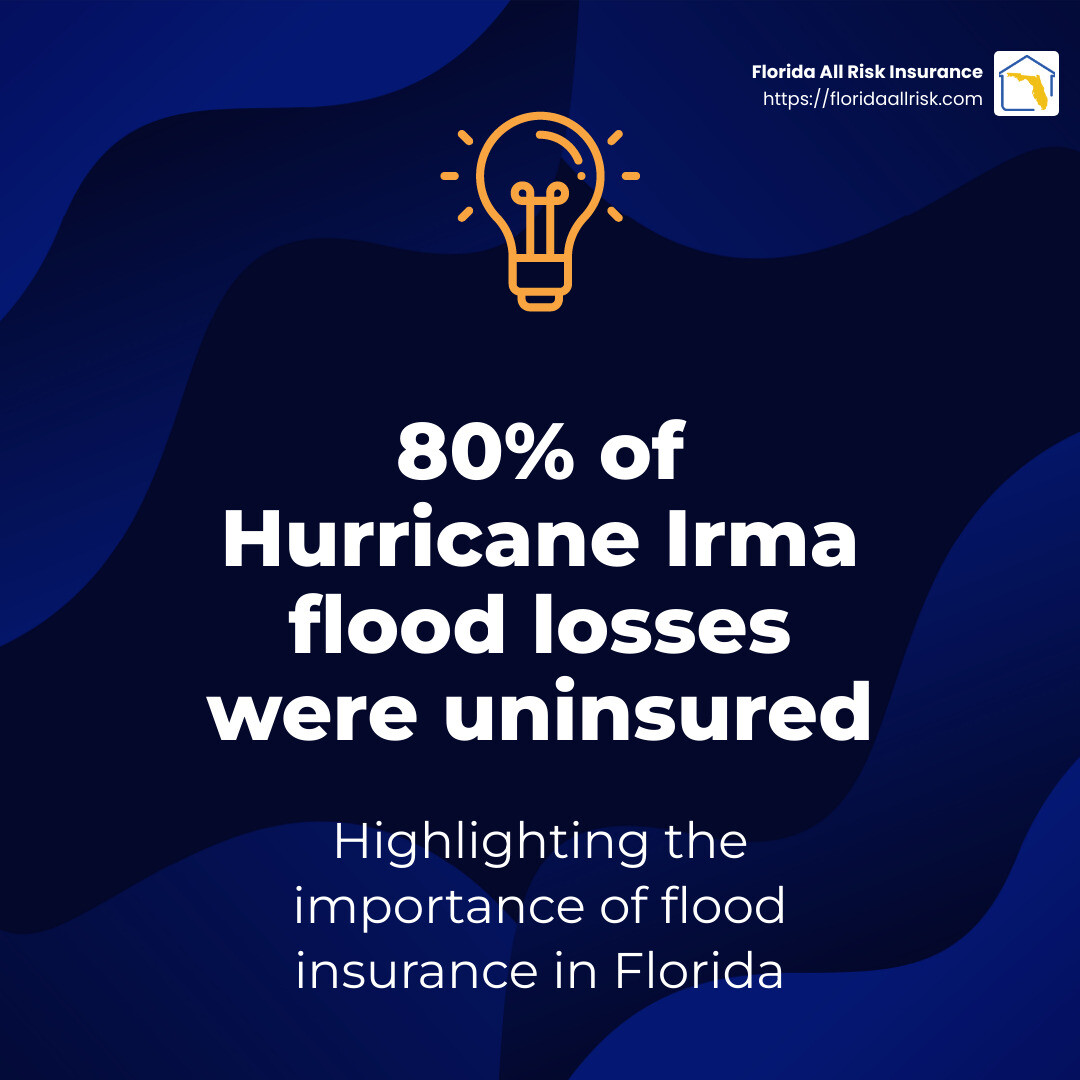
Flooding is a common and serious threat in Florida, but flood damage is not covered by standard homeowner’s insurance. This means that if your home is damaged by a flood, you could be left with substantial repair costs unless you have a separate flood insurance policy.
Homeowner’s Insurance Limitations
Many homeowners assume that their regular insurance covers all kinds of water damage. However, typical policies only cover incidents like burst pipes or leaks. They do not cover damage from flooding, which can occur due to heavy rainfall, storm surges, or flash floods. This gap in coverage can leave many homeowners financially vulnerable after a flood event.
National Flood Insurance Program (NFIP)
To address this gap, the National Flood Insurance Program (NFIP) offers federally backed flood insurance to property owners. If your community participates in the NFIP, you can purchase flood insurance through this program. It provides two types of coverage:
- Structure Insurance: Protects the building itself
- Contents Coverage: Insures personal belongings inside the home
Flood Risk Assessment
Understanding your flood risk is crucial when considering flood insurance. You can assess your home’s flood risk by reviewing FEMA’s flood zone maps, which categorize areas based on their likelihood of flooding. Knowing whether your home is in a high-risk area can help you decide if flood insurance is necessary.
For instance, Monroe County is entirely located in a floodplain, highlighting the importance of flood insurance for residents in such regions. Moreover, even if you are not in a designated high-risk area, flood insurance can still be a wise investment, as nearly 25% of flood claims come from outside these zones.
By evaluating your risk and securing appropriate coverage, you can protect yourself from the financial burdens that floods can bring. Being informed and prepared is the best way to safeguard your home and peace of mind.
How to Obtain Flood Insurance
Getting flood insurance in Florida is a smart move, especially given the state’s high flood risk. Here’s how you can secure a policy:
Flood Insurance Providers
In Florida, most flood insurance policies are provided through the National Flood Insurance Program (NFIP). The NFIP partners with many private insurance companies to offer coverage. If your community participates in the NFIP, you can purchase a policy through any of these insurers.
For those who prefer not to go through the NFIP, some private insurance companies also offer flood insurance options. It’s worth checking with Florida All Risk Insurance to explore these alternatives and find a plan that suits your needs.
Policy Options
When it comes to flood insurance, you have a few options to consider:
-
Structure Insurance: This covers the physical structure of your home, including the foundation, electrical and plumbing systems, and built-in appliances.
-
Contents Coverage: This protects your personal belongings, such as clothing, furniture, and electronics, from flood damage.
Flood insurance typically takes 30 days to go into effect. However, if a lender requires it for a mortgage, this waiting period may be waived.
Coverage Details
NFIP policies have set coverage limits. For residential properties, the maximum coverage is $250,000 for the building and $100,000 for contents. If you need higher limits, you might want to explore private insurance options that offer additional coverage.
Additionally, flood insurance can cover costs related to debris removal and loss avoidance measures. This means you can get help with expenses like sandbags or temporary barriers used to protect your home from flooding.
By understanding these options and working with a knowledgeable agent, you can select the right flood insurance policy to protect your home and belongings in the event of a flood.
Next, let’s dive into how you can prepare for flooding in Florida, including creating evacuation plans and protecting your property.
Preparing for Flooding in Florida
Flooding is a common threat in Florida, and being prepared is key to minimizing its impact. Here’s how you can get ready:
Evacuation Plans
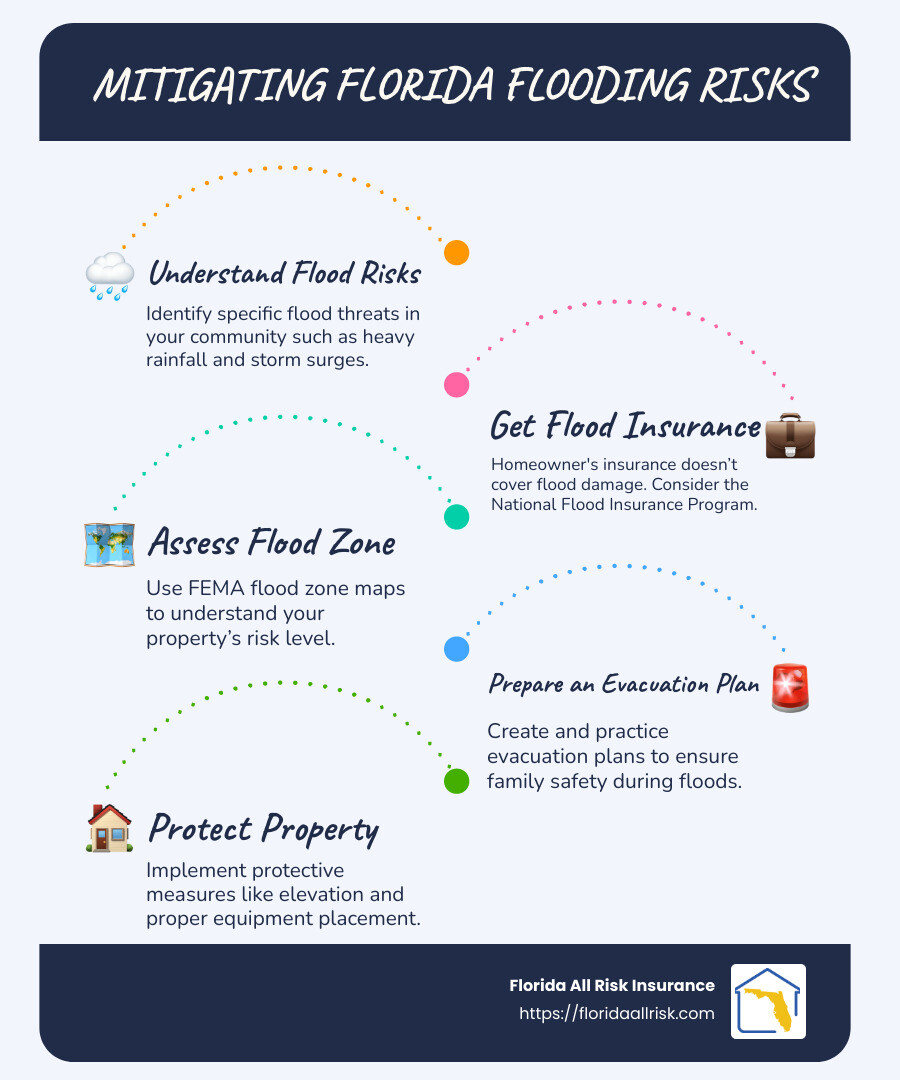
Having a clear evacuation plan is crucial. Know your evacuation routes and have a list of nearby shelters. Keep a “go-bag” ready with essentials like water, non-perishable food, medications, and important documents. Evacuate immediately if advised by local authorities to ensure your safety.
Property Protection
Protecting your property from flood damage can save you a lot of trouble. Consider the following measures:
-
Lift your home: If possible, raise your home above flood level to reduce the risk of water damage.
-
Install flood openings: These allow water to flow through enclosed areas, reducing pressure on walls and foundations.
-
Secure mechanical equipment: Place items like air conditioning units and water heaters above potential flood levels.
Additionally, ensure your home is equipped with sump pumps and backflow valves to prevent water from entering through drains.
Flood Zone Maps
Understanding your flood risk is easier with flood zone maps. Visit FEMA’s Map Service Center to find your area’s flood map. Knowing your flood zone helps you assess your risk and decide on appropriate protective measures. You can also get a flood risk assessment at FloodSmart.gov.
By taking these steps, you can better prepare for the unpredictable nature of Florida flooding and protect your home and family.
Now that you know how to prepare for flooding, let’s answer some frequently asked questions about Florida flooding.
Frequently Asked Questions about Florida Flooding
What parts of Florida are most at risk of flooding?
Southeast Florida, coastal cities, and low-lying areas are most vulnerable to flooding. Places like Miami and West Palm Beach receive high annual rainfall, making them prone to storm surge and heavy rains. Low-lying areas, especially those without proper drainage, can flood easily during intense storms.
How can I protect my property from flood damage?
Taking proactive steps can significantly reduce flood damage to your property:
-
Elevation Measures: Lift your home and critical systems like electrical panels above potential flood levels. This is crucial in high-risk zones.
-
Flood Openings: Install flood vents in your foundation walls. These help reduce pressure from floodwaters, protecting your home’s structure.
-
Mechanical Equipment Placement: Secure air conditioning units, water heaters, and other mechanical equipment above expected flood levels. This can prevent costly damage.
Is flood damage covered by standard homeowner’s insurance?
No, standard homeowner’s insurance does not cover flood damage. This is a critical limitation that many homeowners overlook. Given the high risk of Florida flooding, obtaining flood insurance is essential. The National Flood Insurance Program (NFIP) provides federally-backed flood insurance to help protect your home and possessions. Without it, you would need to bear the full cost of flood-related damages out of pocket.
Understanding these aspects of Florida flooding can help you protect your home and make informed insurance decisions.
Conclusion
At Florida All Risk Insurance, we understand the unique challenges that Florida flooding presents to homeowners. Our personalized service ensures that you receive comprehensive coverage custom to your specific needs. Living in a state prone to storms and heavy rainfall, have the right insurance protection in place.
We offer a wide range of flood insurance options to safeguard your home and belongings. Our team is dedicated to helping you steer the complexities of flood insurance, from assessing your flood risk to selecting the right policy. With our expertise, you can enjoy peace of mind knowing that you’re prepared for whatever nature throws your way.
Don’t wait until it’s too late. Contact us today to explore your flood insurance options and ensure your home is protected. Visit our Flood Insurance Coverage page to learn more and get started with a free, no-obligation quote.
By partnering with Florida All Risk Insurance, you’re choosing a trusted ally in managing the risks of Florida flooding. Our commitment to providing top-notch service and coverage means you can focus on what matters most: keeping your family and home safe.

