

Flood insurance online quotes: Ultimate 2025 Security
Why Flood Insurance Quotes Matter
Getting flood insurance online quotes is a smart first step to protect your home, with most quotes ready in 10 minutes or less.
To get started quickly, you will typically need:
- The address of the building you want to insure.
- Basic details about the building (like the year it was built and its size).
- An estimate of the value of your belongings, if you want contents coverage.
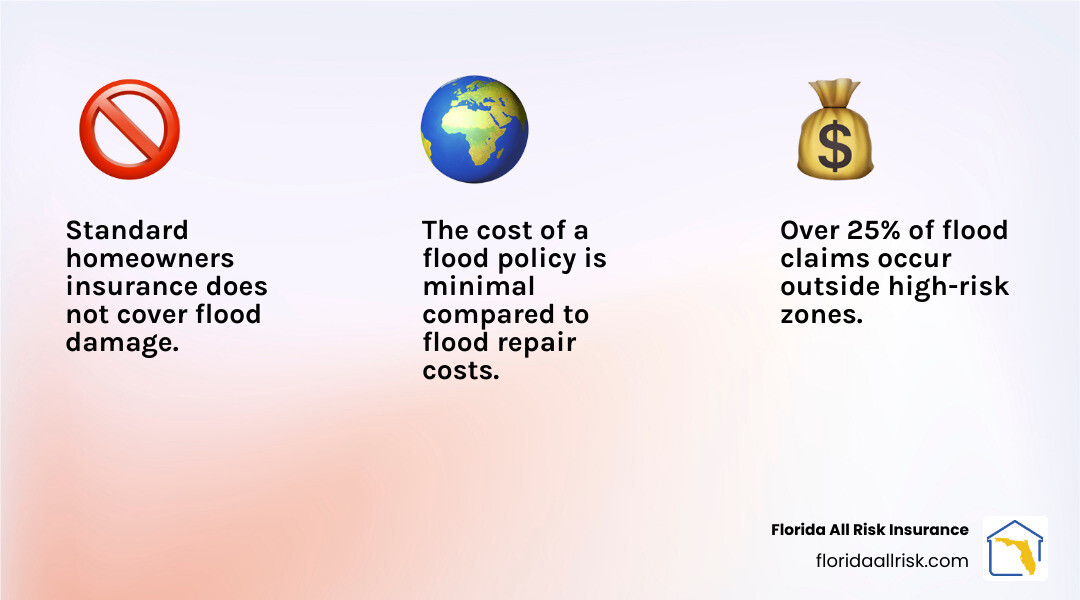
Flooding is a serious threat. Just one inch of floodwater can cause more than $25,000 in damage, and a common misconception is that homeowners insurance covers this. It does not, leaving many families vulnerable.
Floods can happen anywhere, not just in high-risk zones. With over 25% of flood insurance claims coming from outside these areas, your home is at risk even if you don’t live by the water. Protecting your property and peace of mind is crucial, and online quotes make it easier than ever to explore your options.
As Jason Miller, a second-generation insurance professional, I’ve dedicated over 20 years to helping Floridians secure their homes. My team and I at Florida All Risk Insurance understand the complexities of flood insurance online quotes and are here to guide you through this vital process.
Find more about Flood insurance online quotes:
Understanding Flood Insurance: NFIP and Private Options
When you’re looking into flood insurance online quotes, it’s important to understand that flood insurance is completely separate from your regular homeowners policy. This specialized coverage is for damage from external water sources like rising groundwater or mudflow. Your standard homeowners insurance simply won’t help when floodwater enters your home.
For years, the only option was the National Flood Insurance Program (NFIP). Now, a thriving private flood insurance market offers more choices. When getting flood insurance online quotes, you’ll see both types, and understanding their differences can lead to better protection and savings.
Here’s what sets them apart:
| Feature | National Flood Insurance Program (NFIP) | Private Flood Insurance |
|---|---|---|
| Building Coverage Limit | Up to $250,000 | Up to $5,000,000+ (often higher) |
| Contents Coverage Limit | Up to $100,000 | Up to $500,000+ (often higher) |
| Waiting Period | Typically 30 days | Often shorter (7-15 days, sometimes immediate) |
| Additional Living Expenses (ALE) | Not typically included | Often available as an optional add-on |
| Basement Contents Coverage | Limited to certain items (e.g., service equipment) | Can be more comprehensive, often available as an add-on |
The National Flood Insurance Program (NFIP)
The NFIP is a federal program managed by FEMA that provides standardized flood protection. While it’s government-backed, you can often buy an NFIP policy through your regular insurance agent via the Write-Your-Own program. It offers standardized coverage with building protection up to $250,000 and contents coverage up to $100,000.
However, the NFIP has undergone a major change with its new Risk Rating 2.0 system. This methodology moves away from pricing based solely on flood zones and now assesses risk on a property-by-property basis. It considers factors like a home’s specific distance to a water source, its elevation, and construction costs. While intended to make rates more equitable, this has led to significant premium increases for some homeowners, with annual jumps capped at 18%. This complexity and rising cost are primary drivers for many Floridians to seek flood insurance online quotes from the private market.
If you’re curious about how this program works with private insurance companies to deliver policies, you can Learn about the NFIP’s WYO Program{:target=”_blank”}.
The Expanding Private Flood Insurance Market
The private flood insurance market has grown significantly, especially in Florida. These policies from private companies often offer appealing features not found in NFIP coverage.
Higher coverage limits are a major advantage. If your home’s replacement cost is more than $250,000 or your contents exceed $100,000, private insurance can offer limits reaching into the millions, providing crucial protection for valuable properties.
Private insurers also offer valuable additional coverages. Additional Living Expenses (ALE), also known as Loss of Use, is a critical one. It helps pay for hotel bills, rent, and meals if a flood makes your home uninhabitable during repairs. This coverage is rarely included in NFIP policies but is a common and vital add-on in private plans. Other popular options include improved basement contents coverage and even pool repair and refill coverage—a sought-after feature in Florida.
The waiting periods are often much shorter. While NFIP policies usually have a 30-day wait, private policies can start in 7 to 15 days, or sometimes immediately for a home purchase, offering faster protection.
Most importantly, private insurers are often more competitive on price. Using advanced flood modeling and granular data, they can frequently offer lower premiums than NFIP rates, especially for properties impacted by Risk Rating 2.0 increases. With widespread acceptance by mortgage lenders, private flood insurance has become a mainstream, viable choice for homeowners seeking better coverage, often at a better price.
For more comprehensive information about flood insurance coverage options available to Florida residents, you can explore Flood Insurance Coverage in Florida{:target=”_blank”}.
Your Guide to Getting Flood Insurance Online Quotes
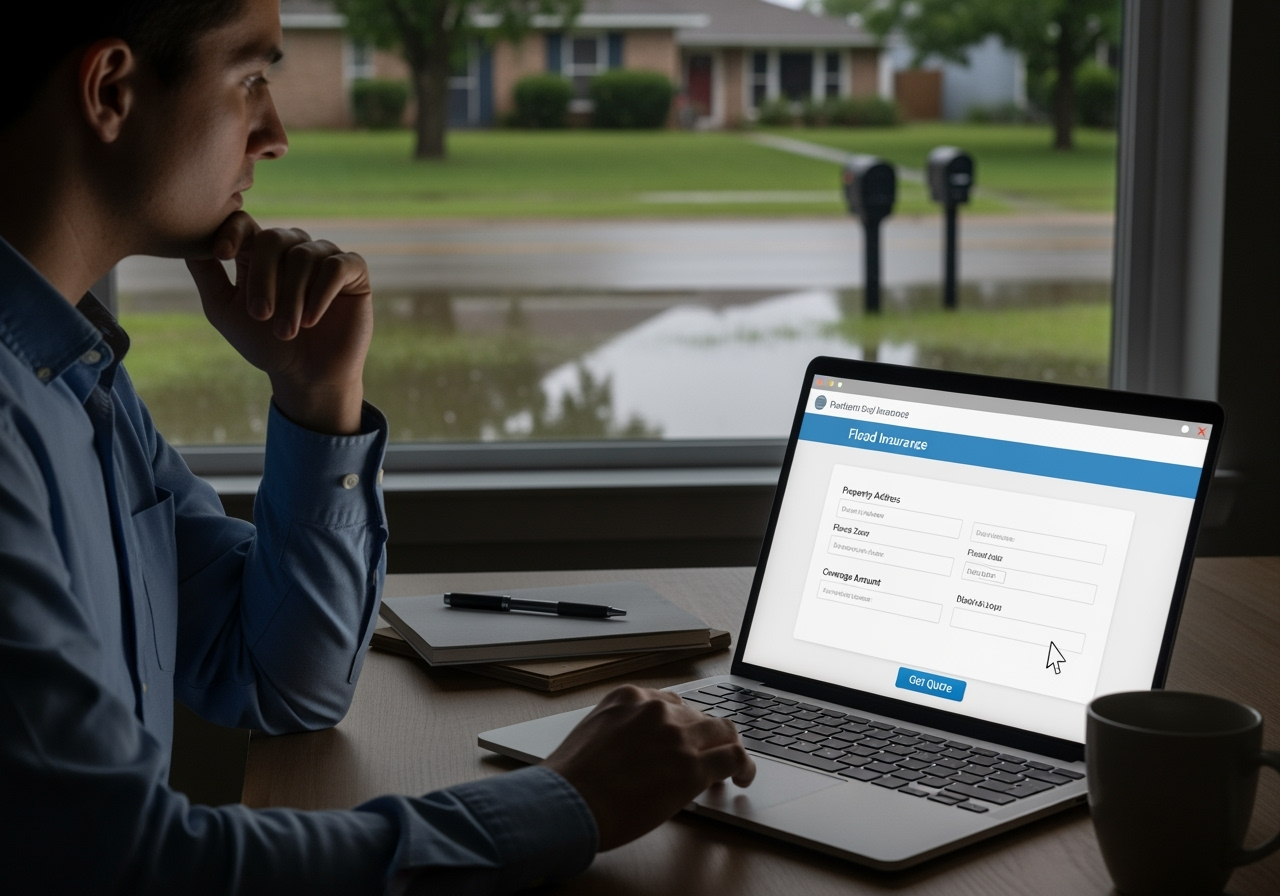
Getting flood insurance online quotes is surprisingly straightforward, fast, and convenient. Instead of multiple phone calls and waiting for office hours, you can get rates from your couch, 24/7. This allows you to efficiently compare options at your leisure, ensuring you find the best coverage at a competitive price.
Online quoting is a powerful tool for almost everyone. Homeowners can protect their biggest asset, whether in a high-risk zone or not. Renters need contents coverage for personal items, as a landlord’s policy won’t cover them. Business owners can protect their commercial property and inventory, ensuring business continuity.
Online quoting tools empower you to take control of your flood protection journey.
What Information Do You Need for Flood Insurance Online Quotes?
Having the right information ready makes the quick online quoting process even faster. You’ll typically need a few key details. Your property address is essential for assessing flood zone data and geographic risk. You’ll also need building details like the year built, square footage, foundation type (slab, crawl space, etc.), and number of floors.
We’ll also ask about the occupancy type (primary residence, seasonal, or rental) and, if you have one, an Elevation Certificate, which can sometimes lead to lower rates. Finally, if you want contents coverage, have an estimated value of your belongings ready. Gathering these details beforehand ensures a smooth, speedy process.
Decoding Your Quote: What to Look For
Once you receive your flood insurance online quotes, it’s important to know what to look for to ensure you’re getting the right coverage.
Here are the key elements to examine:
-
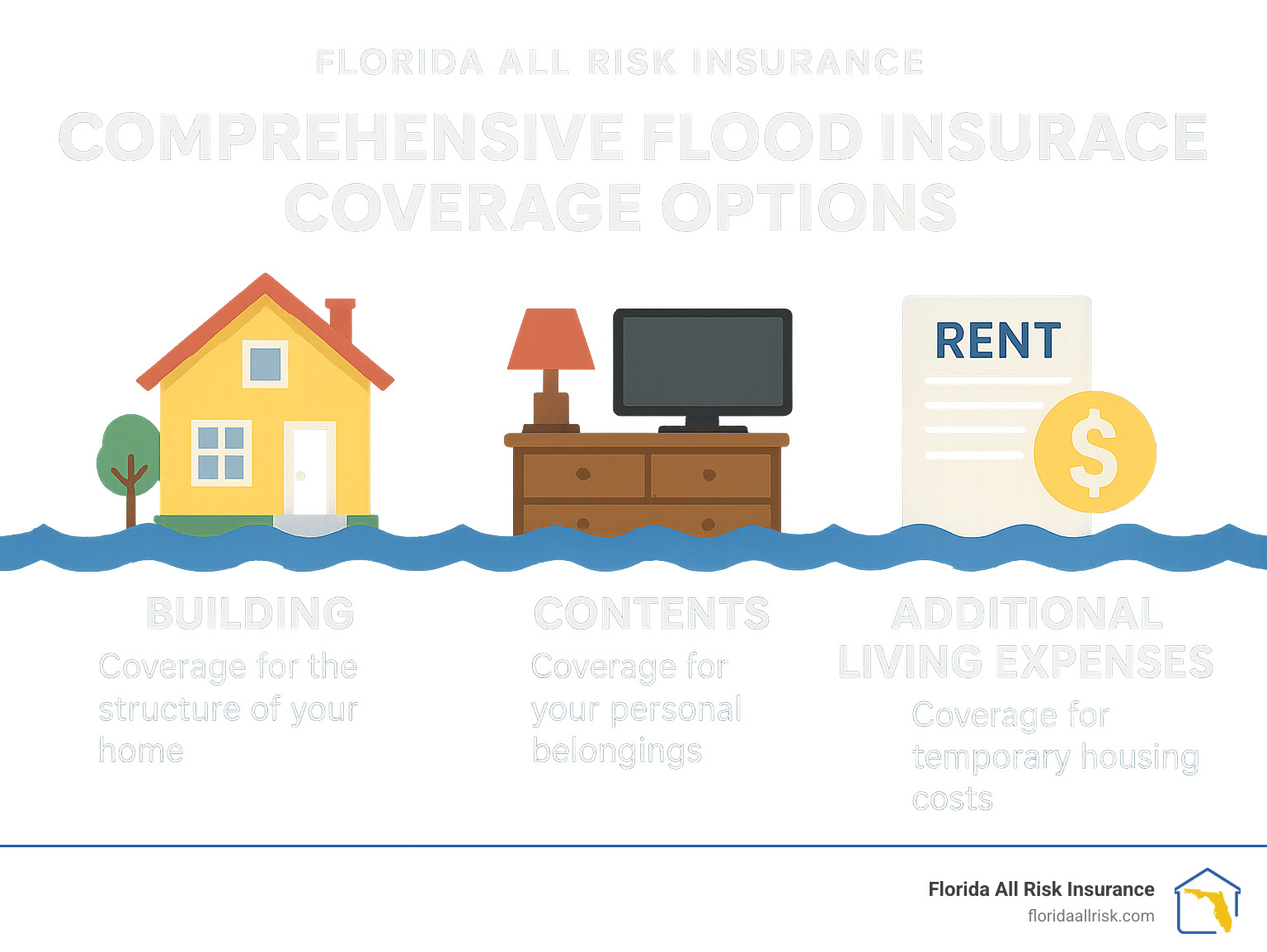
Building Coverage: This covers your home’s physical structure, including the foundation, walls, and built-in systems. Ensure the coverage amount matches your home’s replacement cost.
-
Contents Coverage: This protects your personal belongings, like furniture, clothing, and electronics. Note the coverage limit, as it’s separate from building coverage.
-
Deductibles: This is the amount you pay out-of-pocket before insurance pays. You’ll have separate deductibles for building and contents. A higher deductible can lower your premium, but be sure you can afford it.
-
Replacement Cost Value (RCV) vs. Actual Cash Value (ACV): Understand how your items are valued. RCV pays to replace items new, while ACV pays their depreciated value. Private policies often offer the more beneficial RCV for contents.
-
Policy Exclusions: Be aware of what’s not covered. Most policies exclude damage from earth movement (even if flood-related) and certain basement items under NFIP. Sewer backup is only covered if it’s a direct result of widespread flooding, not an internal pipe issue.
-
Waiting Period Details: Confirm how long you must wait before the policy becomes effective.
We at Florida All Risk Insurance are committed to helping you understand every detail of your quote. For more insights into how these factors affect your premium, check out our page on Flood Insurance Cost.
Assessing Your Flood Risk and Potential Costs
Flooding happens everywhere, not just in obvious waterfront locations. Nearly one-third of NFIP flood insurance claims come from outside high-risk flood areas. This means a suburban home miles from the beach could be more likely to suffer flood damage than fire damage.
Floods are the most common and costly natural disaster in the United States. If you’re in a high-risk zone, your home has a 1-in-4 chance of flooding over a 30-year mortgage. But even in moderate-to-low risk areas, nature doesn’t follow maps.
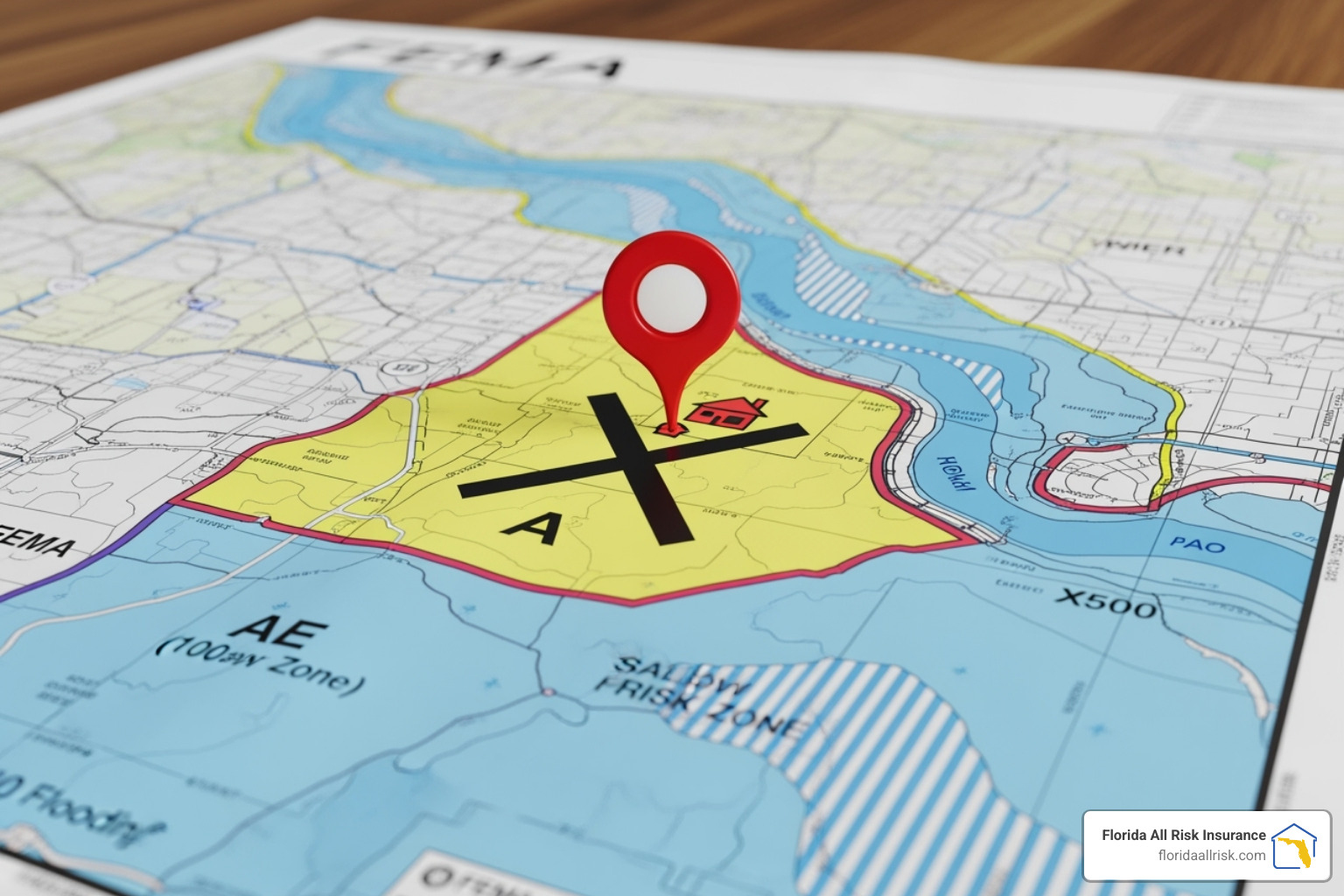
FEMA categorizes flood zones to help understand risk. High-risk zones (A and V) are near water with significant flood probability. Moderate-to-low risk zones (B, C, and X) sound safer, but poor drainage, intense Florida storms, or nearby construction can turn any street into a river.
The financial reality is sobering. The average NFIP flood payout is $52,000 per claim. Compared to the modest cost of a policy, flood insurance is essential protection for your family’s future.
Living in Florida means unique challenges. From hurricanes to sudden downpours, Florida Flooding presents risks that extend far beyond what any flood map can predict.
Why Everyone Needs a Quote, Regardless of Flood Zone
Your flood risk isn’t determined by a line on a map. The statistic that over 25% of flood claims occur outside high-risk areas represents real families who thought they were safe. Water doesn’t respect boundaries.
Flooding has many causes. Heavy rainfall can overwhelm drainage systems. Drainage issues in older neighborhoods or runoff from new construction can also cause unexpected flooding in areas previously considered safe.
Don’t wait until you’re standing in water to think about flood insurance. You can Check your address in the Flood Map Service Center{:target=”_blank”} to see your official designation, but remember that’s just a starting point. Getting flood insurance online quotes, even in a low-risk area, provides invaluable peace of mind. Our guide on FEMA Flood Zone Map designations can help you better understand these classifications.
What Factors Determine the Price of Your Flood Insurance?
When you get your flood insurance online quotes, the premium is based on a sophisticated calculation of multiple factors that assess your unique risk profile.
-
Flood Zone: While FEMA’s Risk Rating 2.0 has moved toward individualized rating, your property’s designated flood zone (e.g., A, V, X) remains a foundational data point for risk assessment.
-
Property Elevation: This is a critical factor. Insurers look at your home’s elevation relative to the Base Flood Elevation (BFE)—the height to which floodwater is expected to rise during a major flood. An Elevation Certificate (EC) is an official document that details your home’s specific elevation, and having one can often lead to significant premium discounts.
-
Age and Construction: Newer homes built to modern, flood-resistant building codes (like the Florida Building Code) typically receive lower rates. The materials used and the overall structural integrity play a significant role.
-
Foundation Type: How your home is built on the ground matters. A home on a solid slab foundation is generally less risky than one with a crawlspace or basement, which are more susceptible to flooding and structural damage.
-
Coverage and Deductible Choices: The amount of building and contents coverage you select directly impacts your premium. Opting for a higher deductible (the amount you pay out-of-pocket on a claim) will lower your annual premium, but you must be comfortable with the higher upfront cost if you file a claim.
-
Flood Mitigation Features: Proactive measures can earn you discounts. This includes installing flood vents in your foundation walls, which allow water to flow through rather than build up pressure and cause a collapse, or elevating utilities like your HVAC system above the anticipated flood level.
The NFIP’s Risk Rating 2.0 has individualized this pricing system, creating opportunities for private insurers to offer highly competitive alternatives. For a breakdown of costs, see our analysis: How Much Does Flood Insurance Cost in Florida?.
From Quote to Coverage: Finalizing Your Policy
You’ve received your flood insurance online quotes and are ready to turn one into active coverage. This final stage is straightforward with the right guidance.
First, review your quotes carefully. Look beyond the price and compare coverage limits, deductibles, and any additional benefits offered by NFIP and private policies. Details like pool repair coverage or higher contents limits are crucial during a claim.
This is the perfect time to connect with an agent at Florida All Risk Insurance. We can clarify the difference between replacement cost and actual cash value or help you decide on coverage amounts. Our goal is to help you select a policy that fits your needs and budget.
Once you decide, the application process is simple. We’ll guide you through the paperwork. Flood insurance premiums are usually paid in full upfront, either by you or through your mortgage escrow account.
Be aware of the waiting period. NFIP policies typically have a 30-day waiting period before coverage becomes effective. You can’t buy a policy today and be covered for a storm tomorrow.
There are exceptions. If your lender requires flood insurance for a new home purchase, the waiting period may be waived at closing. Private flood insurance policies often have much shorter waiting periods—sometimes just 7 to 15 days—which is a significant advantage during hurricane season.
The key takeaway is that planning ahead is everything. Don’t wait until a storm is approaching to seek coverage. By then, it’s too late.
Understanding these requirements is part of protecting your home. For more details on when flood insurance is required, visit our page on Flood Insurance Requirements Florida.
Answering Your Top Questions About Flood Insurance
Over two decades in insurance, I’ve heard the same questions repeatedly. Understanding these basics can save you thousands of dollars and significant heartache.
Does my standard homeowners policy cover flood damage?
No. This is a firm and critical answer. Your standard homeowners insurance policy explicitly excludes flood damage. If water from outside your home—defined as a general and temporary condition of water covering normally dry land—causes damage, you are not covered without a separate flood policy.
If a pipe bursts inside your home, that’s typically a homeowners claim. If heavy rains cause widespread flooding that enters your home, that’s a flood claim. For the official definition, see the Official Definition of a flood{:target=”_blank”} from the NFIP.
How long does it take for a flood policy to become active?
Timing is critical. Most NFIP policies have a 30-day waiting period before coverage begins. This prevents people from buying insurance only when a storm is imminent. Exceptions exist, such as when flood insurance is required for a new mortgage. Private flood insurance often provides a key advantage with shorter waiting periods, typically 7 to 15 days, and sometimes immediate coverage for real estate transactions. The lesson is to be proactive; once a storm is on its way, it’s too late.
Is flood insurance required by my mortgage lender?
This depends on your location and loan type. If your home is in a designated Special Flood Hazard Area (SFHA)—a high-risk zone—and you have a mortgage from a federally regulated or insured lender, you are federally required to have flood insurance. However, even if you are not in an SFHA, your specific lender may still require it as a condition of the loan. The most important point is that flood risk exists everywhere. Relying solely on a lender’s requirement is a gamble; the safest financial strategy is to secure coverage regardless of mandates, as over 25% of claims come from outside high-risk zones.
What are the benefits of getting flood insurance online quotes?
Getting flood insurance online quotes has revolutionized the process. The main benefits are:
- Speed: Get quotes in minutes, not days.
- Convenience: Shop for coverage 24/7 from the comfort of your home.
- Comparison: Easily see multiple options from different carriers—both NFIP and private—side-by-side. This allows you to compare not just prices but also coverage limits and deductibles.
- Informed Decisions: Access clear information without sales pressure, allowing you to research and choose the best policy for your family and budget on your own terms.
This accessibility makes flood protection less intimidating and more achievable for everyone.
Conclusion: Your Next Step to Flood Protection
We’ve seen that flood risk is universal and that standard homeowners insurance won’t cover the damage. This leaves a critical protection gap for many families.
Getting flood insurance online quotes is a simple, fast way to compare NFIP and private options to close that gap. It allows you to easily weigh different policies and make the best choice for your situation. This is a vital step toward securing your financial future. Please don’t wait for a storm warning; by then, it’s too late to get the coverage you need.
The average NFIP flood payout of $52,000 shows the severe financial impact a flood can have. A policy can be the difference between a swift recovery and a long-term financial struggle.
Here at Florida All Risk Insurance in Saint Petersburg, Florida, we are an independent agency. That means we work for you, not a single insurance company. We access a wide network of trusted carriers to find custom coverage and competitive rates that fit your needs. Our team is here to provide friendly, personalized guidance to help you find the perfect fit for your home and budget.
Ready to take that next important step? We’re here to help you get started.
Learn more about our comprehensive flood insurance options and get protected today.
Contact Us
After exploring flood insurance online quotes and understanding your options, you might still have questions. That’s perfectly normal! We’re here to help you steer your specific needs, whether you’re just starting your search or ready to finalize your policy.
At Florida All Risk Insurance, we’re more than just an insurance agency; we’re your neighbors, dedicated to helping Floridians protect what matters most. Don’t hesitate to reach out for personalized guidance and friendly service.
You can connect with us directly:
Florida All Risk Insurance
Address: Saint Petersburg, FL
Phone: (727) 489-6924
Email: [email protected]

