Why Fleet Insurance Risk Management Is Your Business’s Best Investment
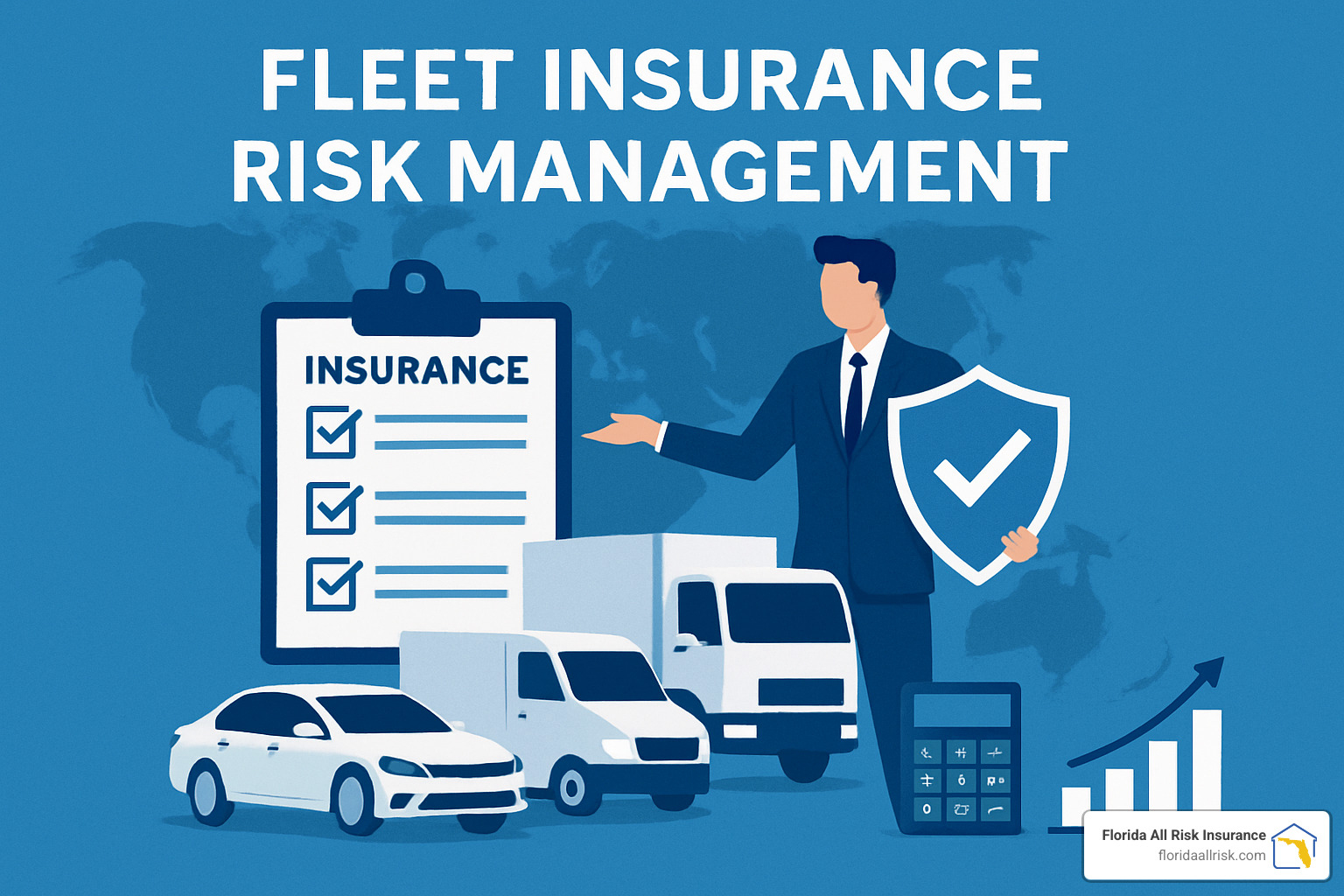
Fleet insurance risk management is the ongoing process of spotting, evaluating, and controlling every threat your commercial vehicles and drivers face. When you operate delivery trucks, service vans, or a mixed fleet in Florida, a basic policy is not enough—you need an all-around shield for your profits, people, and reputation.
Quick answer
- Identify major risks: crashes, theft, fines, driver error, maintenance failures
- Reduce premiums through safety programs and data-driven coaching
- Protect assets with broad coverage plus preventive measures
- Remain compliant with FMCSA, DOT, and state rules
- Track success: collision rates, claims cost, safety scores
Fleet incidents cost U.S. businesses $60 billion a year and the average injury crash tops $74,000. Worse, “nuclear verdicts” have multiplied, driving bodily-injury awards into the millions.
The flip side: fleets that adopt a full risk-management program record 37 % fewer preventable accidents and a 14 % drop in phone use while driving.
The Florida factor
Florida leads the nation in distracted-driving crashes, faces frequent severe storms, and has complicated insurance statutes. Combine that with tourist traffic and year-round construction zones, and every trip exposes your vehicles to outsized danger.

Want to dig deeper? Explore:
- Comprehensive business vehicle insurance
- Cargo insurance for trucks
- Commercial truck liability insurance
Fleet Insurance Risk Management 101: Foundations & Benefits
Think of fleet insurance risk management as a proactive safety net. Personal auto coverage assumes short commutes; your commercial vehicles run all day, haul cargo, and steer job sites, so they need broader protection and stricter controls.
Florida fleets now battle more than collisions. Catalytic-converter theft, skyrocketing repair costs, distracted driving, and climate-driven weather events have raised the stakes. Research from Munich Re shows comprehensive programs slash accident frequency by more than a third.
How fleet insurance works
Instead of juggling individual policies, a master fleet policy covers every truck, van, or car under one contract. Key coverages include:
- Auto liability for third-party injury or damage
- Collision & comprehensive for your own vehicles
- Medical payments and uninsured-motorist protection
- Cargo and inland marine when you move goods
- Umbrella liability to buffer against nuclear verdicts
Bundling vehicles brings volume discounts and unified claims handling. See more at Affordable Commercial Vehicle Insurance.
Why it pays off
- Premium leverage from fleet-wide pricing
- Faster claims resolution and less downtime
- Legal safeguards that protect your balance sheet
- Higher driver morale—employees prefer well-insured, well-maintained units
The expanding risk universe
Collisions still dominate, but social inflation and supply-chain delays have inflated every loss. Add catalytic-converter theft, extreme weather, cyber threats to connected trucks, and liability from employees who use personal cars for work. According to the CDC, distracted driving alone injured 424,000 people in a single year.
Solid risk management is no longer optional—it’s the price of staying in business.
Building & Maintaining a Robust Risk Management Program
The most successful fleets follow a repeatable, five-step framework that turns safety from a project into part of daily operations.
1. Compliance first
FMCSA, ELD, and Hours-of-Service rules protect against fatigue-related crashes and fines north of $20,000 per incident. Keep Digital Vehicle Inspection Reports (DVIRs) accurate and audit files routinely so surprises come from profits, not inspectors.
2. Recruit, screen, train
Drivers are both assets and exposures. Run Motor Vehicle Record checks at hire and at least yearly. Targeted, behavior-based training—defensive driving, adverse-weather tactics, distraction avoidance—reduces risk faster than generic refreshers. Recognition programs that reward spotless driving records often improve safety more than threats of discipline.
3. Preventive & predictive maintenance
A neglected $200 repair can become a $20,000 claim. Use DVIR data and fault-code alerts to schedule service before breakdowns occur. Proactive maintenance also earns underwriting credit. For cost examples, see 26 Foot Box Truck Insurance Cost.
4. Incident management & subrogation
When a crash happens, immediate reporting is critical. Mobile apps capture photos, witness info, and telematics data within minutes, supporting subrogation and rapid claims closure.
5. Culture & continuous improvement
Procedures matter, but culture sustains them. Leadership must speak safety, enforce policies, and celebrate milestones. Safety scoreboards and cross-department committees keep everyone engaged.
Trimming premiums
Show insurers the data—fewer losses, active coaching, and solid maintenance records—and negotiate deductibles that balance cash flow with total cost of risk. Learn more at Commercial Truck Liability Insurance.
Leveraging Technology for Safer, Cheaper Fleets
Modern tech has shifted fleet insurance risk management from reactive to predictive. Telematics, AI dash cams, and analytics turn raw data into coaching cues and underwriting credits.
Telematics essentials
GPS devices log speed, harsh braking, cornering, and idle time. Real-time alerts let managers coach drivers before bad habits cause claims. Geofencing helps you avoid theft hotspots and regulate delivery zones.
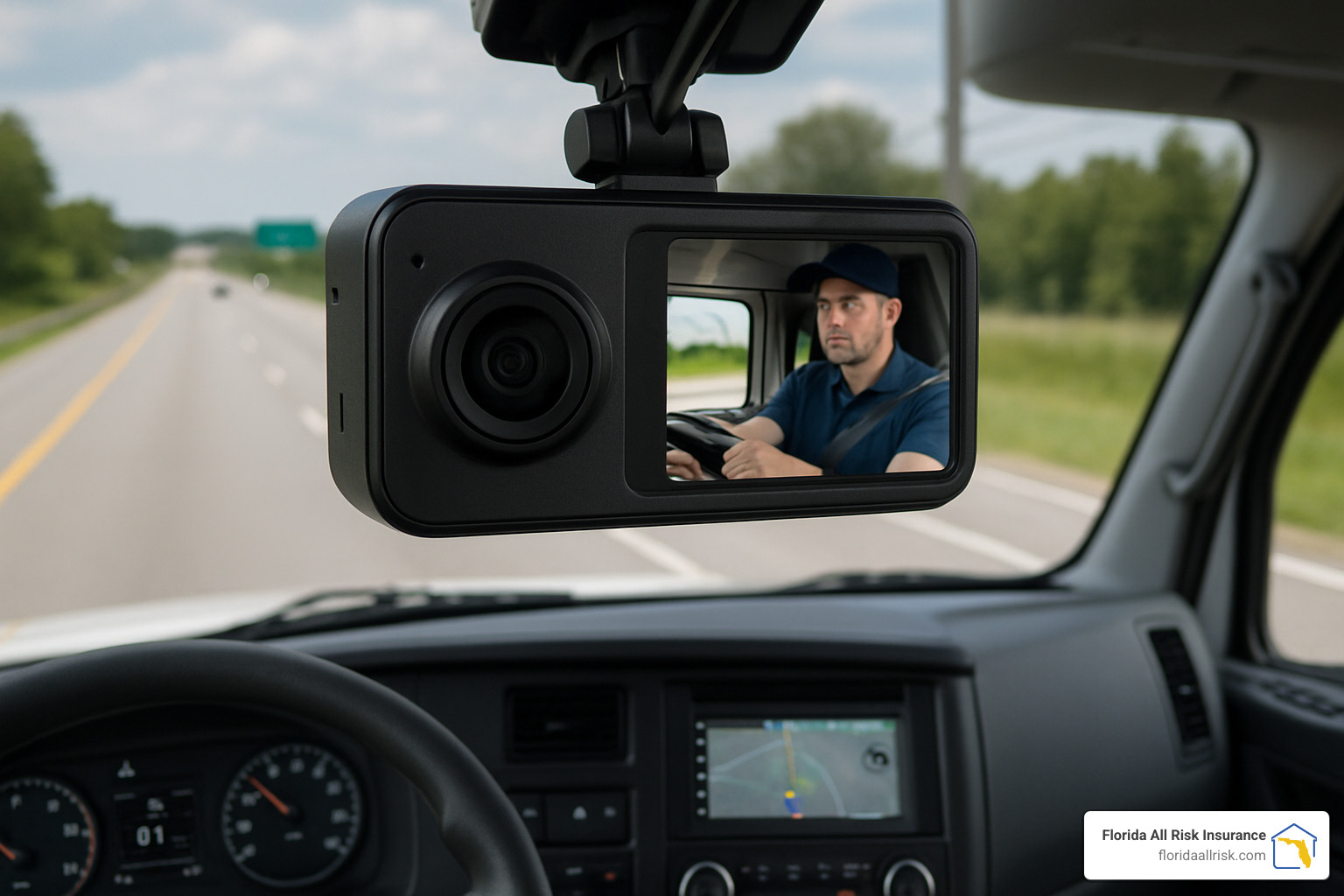
Dash cams & video analytics
Dual-facing cameras record the road and the cab. Footage clarifies liability, shields innocent drivers, and supplies teachable moments. Most drivers welcome cameras once they see how evidence protects them from false accusations.
Turning data into savings
Link telematics, maintenance, fuel, and claims data in a single dashboard. Many carriers now offer 10–20 % discounts for fleets that maintain high safety scores.
| Traditional approach | Telematics-enabled approach |
|---|---|
| Calendar-based maintenance | Predictive, fault-code-based service |
| Investigate after accidents | Coach risky behavior in real time |
| Annual premium review | Continuous pricing feedback |
| Limited driver insight | Full behavioral profiles |
What’s next?
Electric vehicles, ESG reporting, cybersecurity safeguards, and advanced driver-assist systems are reshaping risk profiles. Stay agile and update your program as the tech matures. For integration ideas, visit our telematics overview.
Frequently Asked Questions
What is the difference between fleet insurance and personal auto coverage?
A fleet policy covers all business vehicles under one contract, handles high mileage and cargo exposures, and lets you add or remove units quickly. Personal auto policies assume short, private trips and rarely cover commercial use, cargo, or hired drivers.
How can telematics lower fleet insurance premiums?
Objective data shows insurers how your drivers actually perform. Lower speeding, reduced harsh braking, and timely maintenance translate into fewer claims, and carriers often reward those metrics with 5–15 % discounts plus favorable renewals.
What immediate steps should I take after a collision?
- Ensure everyone’s safety and call emergency services.
- If safe, move vehicles from traffic.
- Document the scene—photos, witness names, weather.
- Report to your fleet manager and insurer within 24 hours.
- Save all receipts related to towing, rentals, or downtime for reimbursement.
Companies with written response protocols resolve claims faster and recover more through subrogation, according to Munich Re’s fleet risk study.
Conclusion
Fleet insurance risk management turns a potential liability into a strategic edge. Florida businesses that combine sound coverage with data-driven safety programs see fewer accidents, lower total cost of risk, and happier drivers.
In a state known for distracted tourists, tropical storms, and heavy construction, ignoring these steps is simply too expensive. Instead, use the tactics outlined here—tight compliance, targeted training, proactive maintenance, and modern technology—to keep wheels turning and profits growing.
Ready to transform your fleet? Reach out to the specialists at Florida All Risk Insurance for a complimentary risk review and custom action plan.
Contact Us
Florida All Risk Insurance
Saint Petersburg, FL
Phone: (888) 880-9200
Email: [email protected]
Ready to take control of your fleet’s future? Our Saint Petersburg team has been helping Florida businesses master fleet insurance risk management for over two decades. We understand the unique challenges facing fleets in the Sunshine State—from hurricane season disruptions to the complexities of I-4 construction zones.
As an independent agency, we’re not tied to any single insurance carrier. This means we can shop your coverage across multiple top-rated insurers to find the perfect balance of protection and value for your specific fleet needs. Whether you’re running food trucks in downtown Tampa or managing a construction fleet across Central Florida, we’ll craft a risk management strategy that fits your operations.
Visit our website at joea233.sg-host.com/ to explore our comprehensive commercial insurance solutions. Our specialized fleet coverage is designed specifically for Florida businesses, taking into account everything from coastal weather risks to the state’s unique regulatory environment.
From our Saint Petersburg headquarters, we serve clients throughout the Tampa Bay area and across Florida. You’ll work directly with experienced professionals who understand both the insurance industry and the practical realities of running a commercial fleet. No call centers, no runaround—just personalized service from people who know your business.
Don’t let another day pass wondering if your fleet is properly protected. Contact us today to schedule your comprehensive fleet risk assessment and find how the right approach to fleet insurance risk management can transform your biggest liability into your strongest competitive advantage.