

In today’s business landscape, business general liability insurance is a fundamental shield for companies of all sizes. Whether you’re a small Florida-based startup or an established enterprise, the importance of this insurance cannot be overstated. It provides essential protection against lawsuits stemming from bodily injuries, property damage, and personal injuries that could occur on your premises or during your operations.
Here are the key takeaways:
- What it covers: Lawsuits due to injuries, damages, or personal harm to third parties.
- Who needs it: Vastly beneficial for any business, especially those interacting directly with the public or handling products.
- Common exclusions: Employee injuries, auto-related incidents, and intentional acts.
For business owners, avoiding financial disaster is crucial. General liability insurance assists by covering legal fees, medical costs for injured parties, and settlements. By doing so, it ensures that unforeseen incidents don’t solve years of hard work and jeopardize the financial health of your business.
I’m Jason Miller, a seasoned insurance professional deeply entrenched in business general liability insurance for over two decades. My expertise roots from managing leading insurance solutions across Florida, helping businesses safeguard their operations effectively.

Business general liability insurance word list:
– general liability insurance cost
– general liability insurance for contractors
– business insurance for small businesses
What is Business General Liability Insurance?
Business general liability insurance is a type of coverage that helps protect your business from financial losses due to claims of injury or damage. This insurance is a critical component for businesses of any size, providing a safety net against unexpected events that could lead to costly lawsuits.
Coverage and Protection
At its core, business general liability insurance covers:
-
Bodily Injury: If a non-employee gets injured on your business premises, this insurance can cover medical expenses and legal fees. For example, if a customer slips and breaks a leg at your store, your policy can help pay for their medical bills and any associated legal costs.
-
Property Damage: Should your business activities accidentally cause damage to someone else’s property, this insurance can cover the repair or replacement costs. Imagine a contractor accidentally damaging a client’s expensive equipment during a project; general liability insurance can help address those costs.
-
Personal and Advertising Injury: This includes protection against claims of libel, slander, or false advertising. If an employee posts a negative comment about a client online, prompting a lawsuit, your policy can cover the legal expenses.
Lawsuits and Claims
Lawsuits can arise from even the most minor incidents, and they can be financially crippling. Here’s how general liability insurance steps in:
-
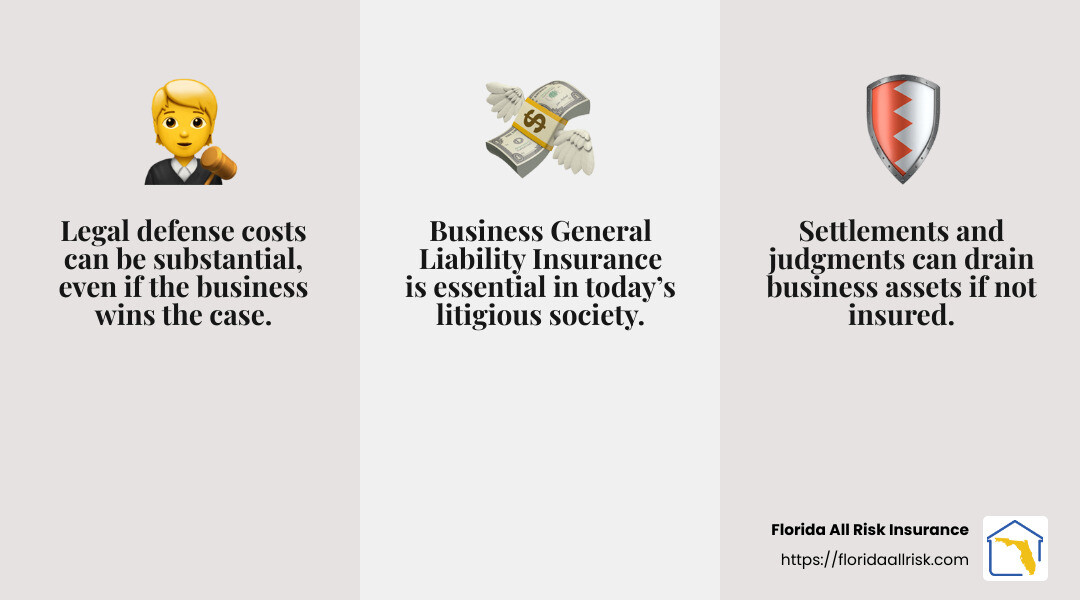
Legal Defense Costs: Your insurance can cover the costs of defending your business in court, which can be substantial even if you win the case.
-
Settlements and Judgments: If your business is found liable, this coverage can help pay for settlements or judgments, ensuring that you don’t have to deplete your business assets.
Why It’s Essential
In today’s litigious society, having business general liability insurance is not just a good idea—it’s a necessity. Whether dealing with a slip-and-fall accident in a restaurant or a claim of false advertising from a competitor, this insurance provides peace of mind. It ensures that your business can continue to operate smoothly, even in the face of unexpected claims.
In summary, business general liability insurance is your business’s first line of defense against financial loss due to third-party claims. It covers a wide range of incidents, providing essential protection and allowing business owners to focus on growth rather than potential legal battles.
Key Components of Business General Liability Insurance
Understanding the key components of business general liability insurance is crucial for ensuring your business is adequately protected. Let’s explore the essential elements that this insurance typically covers:
Property Damage
Property damage coverage is vital for any business. If your business activities result in damage to someone else’s property, this component can help cover the repair or replacement costs. For instance, if a cleaning service accidentally breaks a client’s valuable vase while working, this insurance can handle the expenses. This protection is especially important for businesses that frequently interact with clients’ properties, such as contractors or cleaning services.
Bodily Injury
Bodily injury coverage addresses situations where a non-employee gets injured in connection with your business. This insurance can cover medical expenses and legal fees. Consider a scenario where a customer slips on a wet floor in a restaurant and suffers an injury. The bodily injury component of your policy can help pay for their medical bills and any legal costs that might arise from the incident.
Libel and Slander
Libel and slander fall under the broader category of personal and advertising injury. These terms refer to making false statements that damage someone’s reputation. If an employee makes a defamatory statement about a competitor, leading to a lawsuit, your general liability insurance can help cover the legal costs. Protecting against libel and slander is crucial, especially in today’s digital age where information spreads quickly.
False Advertising
False advertising claims can be a significant risk for businesses. If your advertising is accused of being misleading or deceptive, it could lead to legal action. General liability insurance can provide coverage for these claims, helping with legal defense costs and any settlements. This protection is essential for businesses engaged in marketing and advertising, where the risk of miscommunication or misrepresentation is higher.
Why These Components Matter
Each of these components plays a critical role in safeguarding your business. Whether it’s covering the costs of a lawsuit from a slip-and-fall accident or defending against claims of false advertising, business general liability insurance provides a financial safety net. This allows business owners to focus on their core operations without the constant worry of potential liabilities.
These key components are what make business general liability insurance a must-have for any business. They offer a comprehensive shield against various risks, ensuring that your business remains resilient in the face of unexpected challenges.
Who Needs Business General Liability Insurance?
Business general liability insurance is not just for large corporations. In fact, it’s crucial for a wide variety of businesses, including small businesses, contractors, and those considered high-risk. Let’s explore who needs this type of insurance and why.
Small Businesses
Small businesses are the backbone of the economy, but they face unique challenges and risks. Whether you own a cozy cafe or a busy retail store, you’re likely interacting with the public regularly. This increases the chance of accidents, such as a customer slipping and falling. Without the right insurance, a single lawsuit could be financially devastating. According to Progressive, the national median cost for general liability insurance is $59 per month, making it an affordable safety net for small businesses.
Contractors
Contractors often work in environments where accidents can happen, such as construction sites. They need protection against potential claims that could arise from their work. For example, if a contractor’s work inadvertently damages a client’s property, general liability insurance can cover the repair costs. In many cases, contractors are required by clients or employers to have this insurance before starting a project. This requirement ensures that both parties are protected from unforeseen liabilities.
High-Risk Businesses
Some businesses are inherently riskier than others. These high-risk businesses, such as those in the construction or manufacturing industries, face increased chances of accidents and claims. For these businesses, general liability insurance is essential. If the standard market doesn’t cover your business due to its risk level, you can explore options in the excess and surplus lines (E&S) market. This specialized market provides coverage for businesses that might be too risky for traditional insurers.
Requirements and Recommendations
While general liability insurance is not legally required for all businesses, certain contracts and leases might mandate it. For instance, a landlord might require a tenant to have insurance to cover potential damages to the property. Additionally, some professional licenses require proof of insurance. Even if it’s not a requirement, having general liability insurance is a smart move to protect your business from potential lawsuits and claims.
In summary, whether you’re running a small business, working as a contractor, or operating in a high-risk industry, having business general liability insurance is a wise investment. It offers peace of mind and financial protection, allowing you to focus on growing your business without worrying about unexpected liabilities.

How Much Does Business General Liability Insurance Cost?
Understanding the cost of business general liability insurance is crucial for budgeting and planning. Let’s break down the average costs, factors that influence pricing, and other related aspects like deductibles and tax deductions.
Average Cost
On average, small businesses pay around $42 per month for general liability insurance, according to data from Insureon. However, costs can vary widely. For example, a yoga teacher might pay as little as $15 per month, while contractors might see premiums around $88 per month.
Factors Influencing Cost
Several factors can affect how much you pay for general liability insurance:
- Business Type: The nature of your business plays a significant role. High-risk industries, like construction, often have higher premiums.
- Location: Where your business operates can impact costs. Areas with higher legal fees or more frequent claims might see increased premiums.
- Number of Employees: More employees can mean more risk, potentially raising your insurance costs.
- Claims History: A history of claims can lead to higher premiums. Businesses with fewer claims may enjoy lower rates.
Deductibles
A deductible is the amount you pay out of pocket before your insurance kicks in. Businesses can choose their deductible amount when purchasing a policy. Opting for a higher deductible can lower your monthly premium, but it means you’ll pay more upfront if a claim arises.
Tax Deductible
The good news is that general liability insurance premiums are generally tax-deductible as a business expense. This means you can write off the cost of your premiums, reducing your overall tax burden. However, always consult a tax professional to ensure you’re maximizing your deductions correctly.
In conclusion, while the cost of business general liability insurance can vary, understanding the factors that influence pricing and the benefits of deductibles and tax deductions can help you make informed decisions. This knowledge ensures you get the right coverage at a price that fits your budget.
Next, we’ll explore how you can improve your general liability insurance to better fit your specific business needs.
Enhancing Your Business General Liability Insurance
To make the most of your business general liability insurance, consider enhancing your policy with endorsements and additional coverage custom to your specific needs. This can provide broader protection and peace of mind.
Endorsements
Endorsements are additions to your basic insurance policy that offer extra coverage options. Here are some common endorsements you might consider:
-
Hired and Non-Owned Auto Liability: If your employees use their personal vehicles for work, this endorsement provides additional coverage beyond personal auto policies. It’s crucial for businesses that rely on transportation but don’t own a company vehicle.
-
Product and Completed Operations Liability: Essential for businesses that manufacture or sell products, this endorsement covers bodily injury and property damage caused by your products after they leave your premises.
-
Employment-Related Practices Liability: Protects against claims made by employees for wrongful termination, invasion of privacy, or defamation. This is particularly important as workplace-related lawsuits are on the rise.
Additional Coverage
Sometimes, your business might need more than just basic liability insurance. Consider these additional coverages:
-
Directors and Officers Liability: If your business has a board of directors, this coverage protects them from claims related to poor decision-making that results in financial loss.
-
Liquor Liability: Necessary for businesses that sell or serve alcohol, this coverage protects against claims related to alcohol-related incidents.
-
Fire Legal Liability: Provides coverage if your negligence causes fire damage to a rented or occupied space. This is particularly important for businesses that lease their premises.
Specific Needs
Every business is unique, and your insurance should reflect that. Work with an insurance agent to assess your specific risks and determine what additional coverages or endorsements might be beneficial. For example, a tech company might prioritize cyber liability insurance, while a construction business might focus on contractor-specific endorsements.
By enhancing your business general liability insurance with these options, you can ensure that your coverage aligns with your business operations and potential risks. This proactive approach helps protect your business from unexpected events and costly lawsuits.
Next, we’ll answer some frequently asked questions about business general liability insurance to further clarify its importance and application.
Frequently Asked Questions about Business General Liability Insurance
How much is a $1 million dollar general liability policy?
The cost of a $1 million dollar general liability policy can vary significantly based on several factors, including the size and nature of your business. On average, small businesses might pay between $300 and $600 annually for this coverage. However, some businesses could see costs as high as $1,000, especially if they operate in high-risk industries or have a history of claims.
Your specific rate will depend on factors like your business operations, location, and claims history. It’s always a good idea to compare quotes from different insurers to find the best rate for your coverage needs.
Does general liability insurance cover employee injuries?
No, general liability insurance does not cover injuries that employees suffer on the job. Instead, it covers third-party injuries, such as a customer slipping in your store. For employee injuries, you need workers’ compensation insurance. This insurance covers medical bills and lost wages for employees injured at work and is required in most states.
It’s important to have both types of insurance to fully protect your business from potential claims and legal issues.
Is general liability insurance required by law?
In most cases, general liability insurance is not legally required. However, it is highly recommended because it provides essential protection against lawsuits and claims related to bodily injury, property damage, and more.
While the law might not require it, many contracts, leases, and client agreements do. For example, landlords often require tenants to have liability insurance to protect against potential claims arising from accidents on the premises. Additionally, some professional licenses may require proof of liability insurance.
In summary, while not always mandated by law, having general liability insurance is a smart move to safeguard your business against unforeseen liabilities. It can also help fulfill contractual obligations and maintain good business relationships.
Conclusion
At Florida All Risk Insurance, we understand that every business is unique. This is why we offer custom solutions custom to meet the specific needs of your business. Whether you’re a small business owner, contractor, or part of a high-risk industry, we’ve got you covered with comprehensive insurance options.
Our team in St. Petersburg, Florida, takes pride in delivering personalized service. We work closely with you to understand your business and help you select the right coverage. With access to a wide range of carriers, we ensure that you receive competitive rates and the best protection available.
Comprehensive coverage is crucial in today’s unpredictable world. Our business general liability insurance helps protect your business from potential financial losses due to lawsuits or claims. From property damage to bodily injury, our policies are designed to offer peace of mind, knowing your business is safeguarded against unforeseen events.
We are committed to being your trusted partner in navigating the complexities of business insurance. Our goal is to provide you with the protection you need so you can focus on what matters most—growing your business.
For more information or to get started with a quote, visit our General Liability Insurance page. Let us help you find the right coverage for your business needs.

