

Building insurance commercial lease is a topic many business owners encounter when leasing commercial properties. Understanding its essentials can save both landlords and tenants from potential financial pitfalls. In simple terms, building insurance in a commercial lease is primarily the landlord’s responsibility. It covers physical damage to the building itself, protecting against events like fires or storms. However, the financial burden of the premium is often passed onto tenants as per the lease terms.
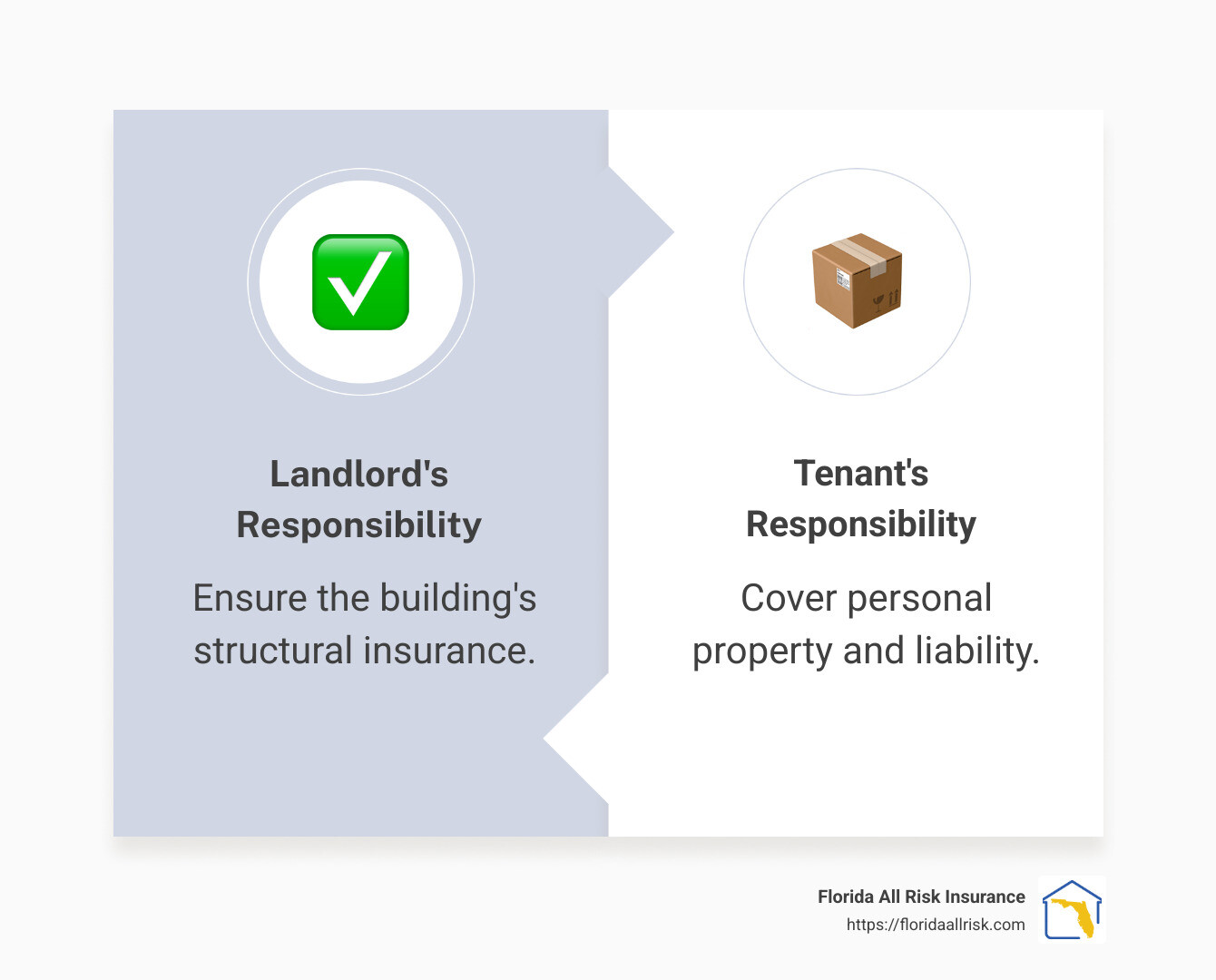
- Landlord’s Responsibility: Ensure the building’s structural insurance.
- Tenant’s Responsibility: Cover personal property and liability.
I’m Jason Miller, a second-generation insurance professional with over 20 years of experience in commercial insurance, especially in building insurance commercial lease. I’ve witnessed how crucial it is for both landlords and tenants to be aligned on insurance responsibilities within a lease. In the following sections, we’ll explore these responsibilities in more detail, ensuring both parties are well-informed and protected.
Similar topics to building insurance commercial lease:
– commercial property insurance
– commercial unit insurance
– commercial condo insurance
Understanding Building Insurance in a Commercial Lease
When it comes to building insurance commercial lease, the roles of landlords and tenants are distinct but interconnected. Understanding these roles can prevent misunderstandings and ensure that both parties are adequately protected.
Landlord Responsibility
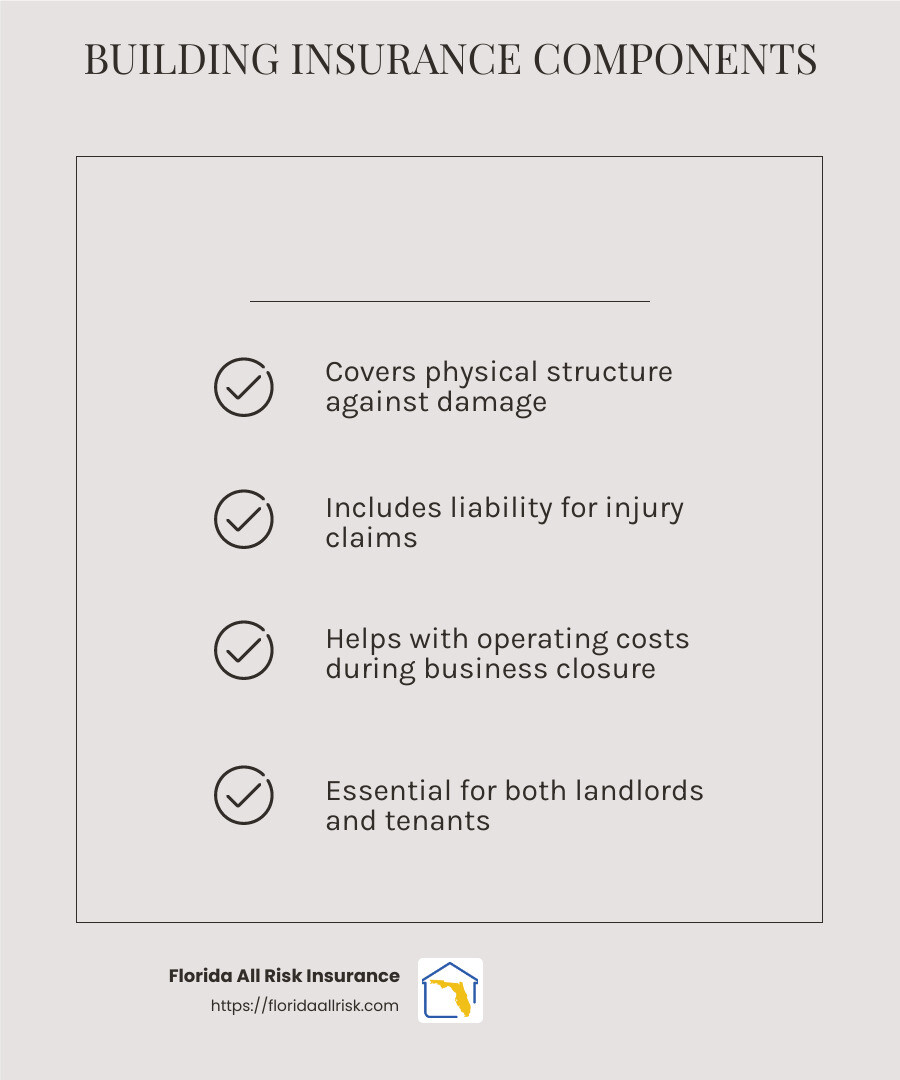
The landlord is primarily responsible for arranging building insurance. This insurance covers the physical structure of the property, including any permanent fixtures and fittings. The landlord holds an insurable interest in the property, meaning they would suffer a financial loss if the building were damaged or destroyed.
By securing the insurance themselves, landlords can ensure that the policy is active, premiums are paid, and coverage is adequate. This approach allows landlords to directly handle claims with the insurer, ensuring that any damage to the building is promptly addressed.
However, while the landlord arranges the insurance, it’s common for the cost to be passed onto the tenant through the lease agreement. This is standard practice and should be clearly outlined in the lease terms.
Tenant Responsibility
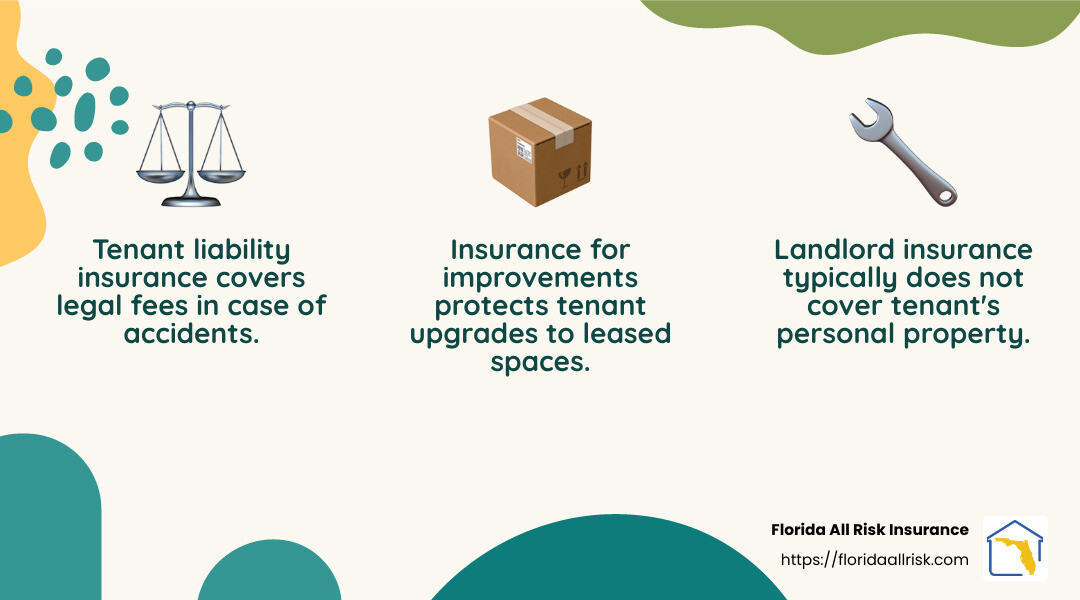
Tenants, on the other hand, have a different set of responsibilities. While they do not need to insure the building itself, they must cover their personal property and any improvements they’ve made to the leased space. This is crucial because the landlord’s insurance does not cover the tenant’s belongings or business assets.
Tenants should also consider liability insurance to protect against potential claims from third parties for injuries or damages occurring in their leased space. This coverage is vital for safeguarding the tenant’s business from unforeseen legal expenses.
Insurable Interest
The concept of insurable interest is central to understanding who is responsible for what in a commercial lease. As the property owner, the landlord has a direct financial stake in the building, making them the party with the insurable interest in the structure itself. Tenants, however, have an insurable interest in their own property and any modifications they make to the leased space.
By clearly defining these roles and responsibilities in the lease agreement, both landlords and tenants can ensure that they are adequately covered and avoid potential disputes.
In the next section, we’ll dig into the key components of building insurance for commercial leases, exploring what is typically covered and how it can protect both parties from financial loss.
Key Components of Building Insurance for Commercial Leases
When navigating a building insurance commercial lease, it’s crucial to understand the essential components that make up the coverage. These components help protect both landlords and tenants from financial loss due to unforeseen events.
Property Damage
Property damage coverage is the cornerstone of building insurance for commercial leases. It protects the physical structure of the building against risks like fire, storms, vandalism, and theft. This coverage ensures that repair or rebuilding costs are covered, saving landlords from significant out-of-pocket expenses.
For example, if a storm damages the roof, the insurance will cover the repair costs, allowing the landlord to restore the property quickly. This protection is vital for maintaining the property’s value and ensuring safety and functionality for tenants.
Liability Coverage
Liability coverage is another crucial component. It protects the landlord from legal claims if someone gets injured on the property or if there’s damage to someone else’s property. For instance, if a part of the building’s facade falls and injures a passerby, liability insurance would cover legal fees and any compensation awarded.
This coverage is not only essential for landlords but also for tenants. Tenants should have their own liability insurance to cover incidents within their leased space, such as a customer slipping and falling. This dual layer of protection helps manage risks and prevent costly legal battles.
Business Interruption
Business interruption insurance is a lifesaver for tenants. It covers the loss of income and operating expenses if the business has to close temporarily due to a covered event like a fire or severe weather damage. This coverage can include lost revenue, rent, payroll, and other essential expenses.
Consider a scenario where a fire forces a business to close for several weeks. Business interruption insurance would help cover ongoing expenses, allowing the business to stay afloat until it can reopen. This support can be the difference between survival and closure for many small businesses.
Understanding these components of building insurance helps both landlords and tenants steer their responsibilities and ensure comprehensive protection. In the next section, we’ll discuss why tenants need their own insurance, even when the landlord has coverage.
Why Tenants Need Insurance Even If Landlords Have Coverage
Even if landlords have comprehensive building insurance, tenants still need their own insurance policies. This is because the landlord’s insurance typically does not cover tenant-specific liabilities, personal property, or improvements made to the leased space.
Tenant Liability
Tenant liability insurance is crucial for protecting your business from legal claims. Imagine a customer slipping on a wet floor inside your store. If they decide to sue, tenant liability insurance can cover legal fees and any potential settlements. This type of coverage ensures that your business remains financially stable even when unexpected incidents occur.
Personal Property
Landlord insurance often covers the building itself but not the contents within your leased space. Personal property insurance is essential for safeguarding your business assets, like furniture, equipment, and inventory. For instance, if a fire damages your office equipment, personal property insurance would cover the cost of replacing those items.
This protection is especially important for businesses with valuable assets. Without it, replacing damaged or stolen items would come out of your pocket, potentially straining your finances.
Improvements Coverage
Many tenants make improvements or alterations to their leased spaces to better suit their business needs. Whether it’s installing a new kitchen in a restaurant or adding partitions in an office, these improvements can be significant investments. However, they may not be covered under the landlord’s building insurance.
Improvements coverage ensures that any modifications you’ve made are protected. If a covered event, like a storm or fire, damages these improvements, the insurance will help cover repair or replacement costs. This coverage is essential for protecting the time and money you’ve invested in customizing your space.
In summary, while the landlord’s insurance covers the building’s structure, tenants need their own insurance policies to cover liabilities, personal property, and improvements. This comprehensive approach ensures that both landlords and tenants are protected from unexpected financial challenges. Next, we’ll address some frequently asked questions about building insurance in commercial leases.
Frequently Asked Questions about Building Insurance Commercial Lease
Who Pays for Building Insurance on a Leased Building?
In most cases, the landlord is responsible for arranging building insurance on a leased commercial property. This is because the landlord has an “insurable interest” in the building, meaning they would suffer a financial loss if the building were damaged. However, it’s common for landlords to pass on the cost of this insurance to tenants through the lease agreement.
Tenants, on the other hand, are responsible for insuring their own contents and may also need specific coverage for any improvements they make to the leased space.
What Does Commercial Property Insurance Cover?
Commercial property insurance offers a safety net for building owners by covering damage or loss due to several risks. This includes:
- Fire: Protects against the destructive effects of fire, whether it’s a small kitchen blaze or a larger incident.
- Theft: Covers losses from burglary or vandalism, ensuring that stolen items or damages are compensated.
- Natural Disasters: While coverage can vary, typical policies protect against events like storms, wind, and hail. However, protection against floods or earthquakes often requires separate policies.
This insurance is crucial for maintaining the financial stability of a business, as it helps cover repair and replacement costs following unexpected events.
How Much Does Commercial Insurance Cost?
The average premiums for commercial property insurance can vary widely based on several factors:
- Location: Buildings in areas with a high risk of natural disasters or high crime rates may have higher premiums.
- Building Type: The age, size, and construction materials of the building can influence costs. For example, a newer, fire-resistant building might be cheaper to insure.
- Business Type: The nature of the business also affects costs. A restaurant with open flames might pay more than an office space.
On average, commercial property insurance can cost as little as $17 a month for low-risk businesses, but this can increase significantly depending on the aforementioned factors. It’s essential for businesses to assess their specific needs and risks to find a policy that offers the right balance of coverage and cost.
Understanding these elements helps both landlords and tenants steer the complexities of building insurance in a commercial lease, ensuring that both parties are adequately protected.
Conclusion
When it comes to building insurance commercial lease, we at Florida All Risk Insurance understand that one size doesn’t fit all. Every business is unique, and so are its insurance needs. That’s why we offer custom coverage options custom to meet the specific requirements of your commercial lease.
Whether you’re a landlord needing comprehensive protection for your property or a tenant looking to cover personal assets and improvements, we have the right solutions for you. Our team in St. Petersburg, Florida, is dedicated to providing personalized service and ensuring you receive the best coverage at competitive rates.
By working with us, you gain access to a wide range of carriers, giving you the flexibility to choose the best policy for your situation. Protect your commercial property and maintain peace of mind, knowing you’re covered by a trusted partner.
For more information on how we can help with your commercial property insurance needs, visit our Commercial Property Insurance page. Let us be your guide to secure and affordable insurance solutions.

