

Navigating Florida’s Insurance Crisis: Finding Protection in 2025
Looking for the best homeowners insurance in Florida 2025? I’ve done the homework for you. Here’s a snapshot of top providers based on our latest research:
| Provider | Best For | Average Annual Premium | Customer Satisfaction Rating |
|---|---|---|---|
| Tower Hill | Affordability | $2,443 | Not rated |
| Florida Select | Customer Satisfaction | $2,520 | 829/1000 |
| Premium Guard | High-Value Homes | $1,757 | 801/1000 |
| Security First | Hurricane Protection | $2,839 | Not rated |
| Citizens | Last Resort Option | Varies | Not rated |
Let’s be honest – finding the best homeowners insurance in Florida 2025 feels like trying to nail jello to a wall these days. Our beautiful Sunshine State is weathering an insurance storm that’s left many homeowners frustrated and confused.
The reality? Florida homeowners now pay an average of $4,329 annually—a jaw-dropping 148% above the national average. Meanwhile, insurance carriers are heading for the exits faster than beachgoers during a surprise thunderstorm, leaving us with fewer options and increasingly restrictive policies.
Hi there, I’m Jason Miller. As a second-generation insurance professional with over 20 years of helping Florida families steer these choppy waters, I’ve seen how the perfect storm of climate change, litigation costs, and skyrocketing reinsurance expenses has transformed our insurance landscape into one of the most challenging in the nation.
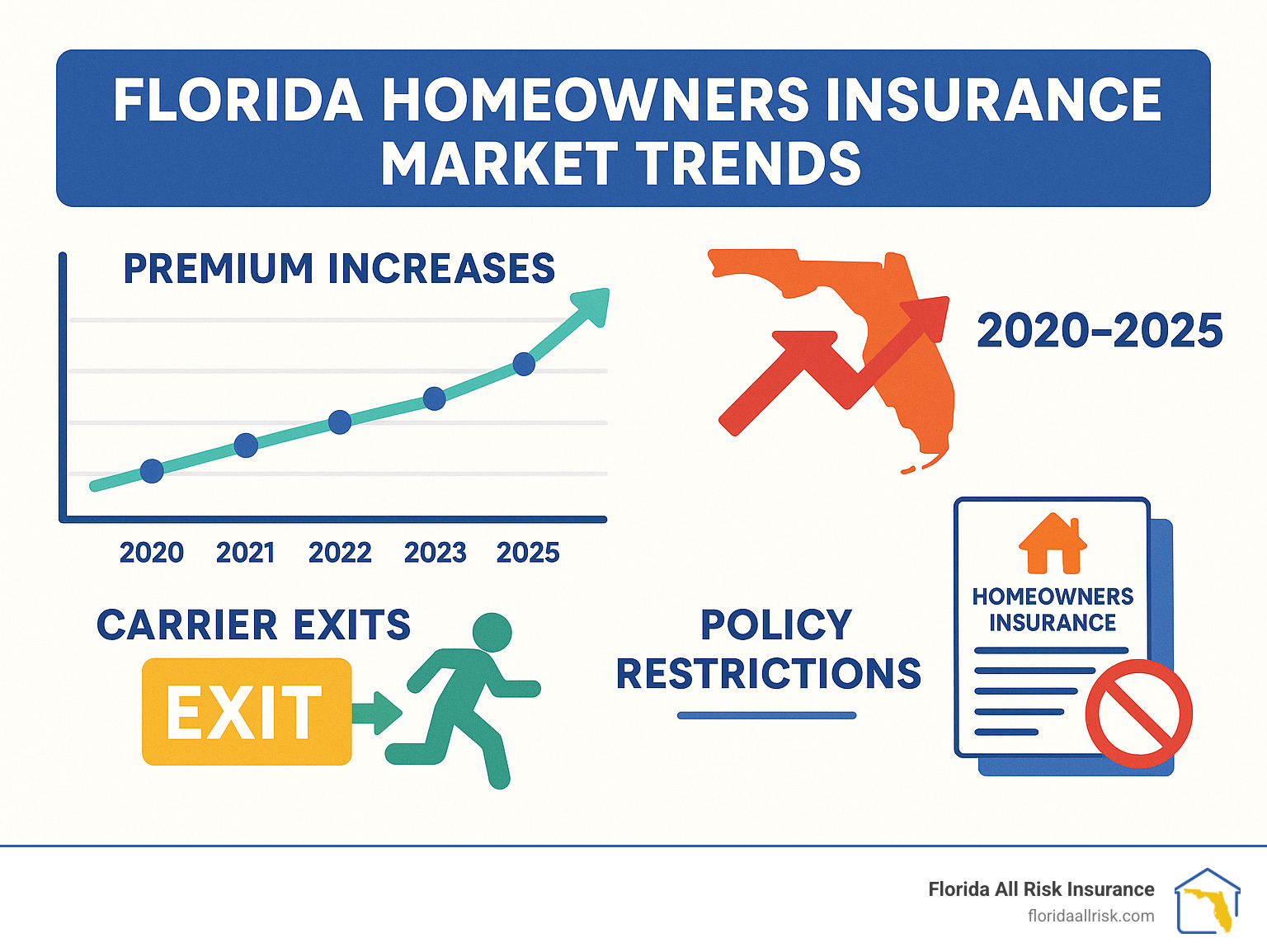
But don’t worry – while the situation is challenging, it’s not hopeless. With the right information and guidance, you can still find solid coverage at the best possible price. Throughout this guide, I’ll share insider tips and strategies to help you secure the best homeowners insurance in Florida 2025 for your unique situation.
Feeling overwhelmed by insurance jargon? These resources might help:
– Concerned about market stability? Learn about another home insurance company leaving florida
– Looking for local options? Check out home insurance apopka
– Need coverage in a specific area? Explore homeowners insurance in pinellas county florida
The Florida insurance market might be complicated, but finding the right coverage doesn’t have to be. Let’s find how to protect your most valuable asset in 2025 and beyond.
2025 Florida Home Insurance Market Snapshot
If you’re shopping for best homeowners insurance in Florida 2025, you need to understand what’s happening in our unique market. Let’s break down the forces shaping your insurance options and costs this year.
Hurricane activity continues to be our biggest challenge. It’s not just your imagination – those Atlantic hurricane seasons really are getting worse. Climate scientists now consider “above-average” to be the new normal. Last year alone, three major hurricanes hit our state, leaving billions in damage and putting even more pressure on insurance companies.

But hurricanes are just part of the story. Did you know that Florida accounts for a whopping 79% of all homeowners insurance lawsuits nationwide, despite having only 9% of all claims? This lawsuit imbalance hits all of our wallets hard, even with recent reforms aimed at cutting down on questionable claims.
Then there’s the “hidden tax” most homeowners don’t see coming: reinsurance costs. This is the insurance that your insurance company buys for itself, and these costs have doubled in recent years. Guess who’s footing that bill? That’s right – those costs get passed directly to you, adding hundreds or even thousands to your annual premium.
There is some good news on the horizon. The 2023-2024 legislative reforms are starting to stabilize our market a bit. We’re seeing several new carriers cautiously testing the Florida waters, and some existing companies are slowly expanding who they’ll cover.
But challenges remain. Just this past April, Progressive announced they wouldn’t renew about 100,000 Florida homeowners policies, mostly affecting seasonal homes and properties in high-risk areas. This kind of carrier movement makes finding the best homeowners insurance in Florida 2025 more complicated.
Looking ahead, the latest research from NOAA suggests we should prepare for continued above-average hurricane activity throughout 2025. This means Floridians need to be ready for both physical storm impacts and the financial aftermath.
For more specific information about coverage options in your area, check out our guide to homeowners insurance in Pinellas County Florida or learn about the growing concern of another home insurance company leaving Florida.
Your Checklist for the Best Homeowners Insurance in Florida 2025
Shopping for best homeowners insurance in Florida 2025 feels a bit like preparing for a hurricane itself – you need to be thorough, think ahead, and make sure you’re not missing anything critical. As a Floridian, your home insurance needs go far beyond what folks in other states might consider.
When I sit down with clients, I always start by reviewing these essential factors that truly make the difference between adequate coverage and potential financial disaster:
Your dwelling coverage should reflect today’s rebuilding costs, not what you paid for your home. Construction prices in Florida have shot up by over 35% since 2020, meaning many homeowners are dangerously underinsured without realizing it.
Understanding your hurricane deductible is absolutely critical. Unlike your standard deductible (typically $1,000-$2,500), hurricane deductibles in Florida are percentage-based – usually 2-5% of your dwelling coverage. On a $400,000 home, that’s $8,000-$20,000 coming out of your pocket before insurance kicks in.
Wind-mitigation credits can slash your premium by up to 45%, but only if your home’s hurricane-resistant features are properly documented and verified. Many Floridians miss out on these savings simply because they haven’t had the right inspection.
| Standard Policy Features | Improved Policy Features |
|---|---|
| Basic replacement cost | Extended replacement cost (25-50% extra) |
| Standard hurricane deductible (5%) | Lower hurricane deductible option (2%) |
| Minimal ordinance & law coverage | Improved ordinance & law (25% of dwelling) |
| No water backup coverage | Water backup coverage included |
| Limited loss-of-use coverage | Extended loss-of-use coverage |
When Hurricane Ian hit Fort Myers, my client Maria told me, “Thank goodness you insisted on that extended replacement cost coverage. Construction costs went through the roof, but we were covered.” Stories like hers remind me why these details matter so much.
Beyond price, research your potential insurer’s claims satisfaction ratings. After a major storm, the difference between a company that handles claims efficiently and one that drags its feet can mean months of additional displacement and stress.
Financial stability has never been more important in Florida’s volatile market. Look for companies with at least an “A” rating from Demotech or equivalent ratings agencies. Several Florida insurers have gone bankrupt after major storms, leaving policyholders in limbo.
Coverage Must-Haves for the Best Homeowners Insurance in Florida 2025
Living in the Sunshine State comes with unique risks that require specialized coverage components. Here’s what I recommend to all my Florida clients:
Extended replacement cost coverage is worth every penny in Florida. This provision adds an extra 25-50% to your dwelling coverage limit if rebuilding costs exceed expectations – which happens frequently after hurricanes when building materials and labor become scarce and expensive.
After Hurricane Ian, my client Tom in Naples told me, “Having that extra 50% replacement cost coverage was the difference between rebuilding my home completely and having to downsize significantly. Best decision we ever made.”
Ordinance & law coverage might sound boring, but it’s a financial lifesaver. Florida’s building codes change frequently, and if your home was built before current codes, you’ll be required to bring everything up to code during repairs. Standard policies won’t cover these often substantial expenses unless you have this endorsement.
When summer storms bring heavy rains, water backup coverage protects you from damage caused by backed-up sewers or drains. Most standard policies exclude this coverage entirely, leaving homeowners with flooded basements or laundry rooms completely on their own.
Florida’s rebuilding timelines after major storms can stretch into many months or even years. Generous loss-of-use coverage ensures you can maintain your quality of life in temporary housing without financial strain while waiting for repairs.
With our state’s active outdoor lifestyle and frequent entertaining, robust personal liability protection shields your assets if someone is injured on your property. A simple pool party or backyard barbecue can turn into a liability nightmare without proper coverage.
Comparing Quotes: Securing the Best Homeowners Insurance in Florida 2025
The quote-gathering process in Florida requires more attention than in most states. Here’s how to steer it effectively:
Working with an independent agency like Florida All Risk Insurance gives you access to multiple carriers with a single application. This approach not only saves valuable time but ensures you’re comparing equivalent coverage options rather than potentially misleading apples-to-oranges comparisons.
While online quote tools can provide initial estimates, Florida’s complex insurance landscape often requires professional guidance to steer exclusions, endorsements, and state-specific considerations. What looks like a great deal online can quickly fall apart when you find critical coverage gaps.
Many homeowners don’t realize that credit scores impact insurance premiums by up to 40% in Florida. Maintaining good credit is one of the most effective ways to control your insurance costs over time.
Be prepared for a home inspection before coverage is finalized. Most insurers now require these inspections, particularly for older homes or properties in high-risk areas. They’ll assess your roof condition, electrical systems, plumbing, and wind mitigation features – all factors that significantly affect your premium and eligibility.
For more comprehensive information about protecting your Florida home, visit our detailed Homeowners Insurance Florida resource page. We’re here to help you steer these complex waters with confidence.
Which Policy Fits Your Situation? Category Guide
Florida’s diverse property types and risk profiles require custom insurance approaches. Let’s explore the optimal strategies for different homeowner situations:


Budget-Friendly Policies
If you’re watching your wallet (and who isn’t these days?), you’ll be happy to know that Tower Hill shines as a budget-friendly option with average annual premiums of $2,443—that’s over 40% below Florida’s eye-watering state average.
One of my clients saved nearly $800 last year by simply adjusting her deductibles. Bumping your standard deductible from $1,000 to $2,500 typically shaves 15-20% off your premium. If you’re comfortable with a hurricane deductible of 5% instead of 2%, you could pocket another 10-15% in savings.
The secret sauce for budget-conscious homeowners? Discount stacking. Think of it as extreme couponing for your insurance policy! Bundling home and auto (5-15% savings), installing security systems (5-10%), and maintaining a claims-free record (5-20%) can combine to slash your premium by a quarter or more.
Don’t overlook wind-mitigation reports. These simple inspections document hurricane-resistant features like impact windows and hurricane straps. Not only do these features protect your home when storms hit, but they also qualify for substantial discounts. I’ve seen premiums drop by 30% after homeowners installed hurricane shutters and reinforced garage doors.
Coastal & High-Wind Homes
Living with those gorgeous ocean views comes with insurance challenges. If your home sits within a mile of Florida’s coastline, you’ll face higher premiums and fewer carrier options—but smart strategies can help.
Many coastal homeowners don’t realize they might need separate wind policies. Some insurers exclude wind coverage entirely for coastal properties, while others include it with higher hurricane deductibles. When comparing quotes, make sure you’re looking at complete protection, not just the lowest price tag.
“After Hurricane Ian, I was so grateful for my impact windows,” shared Maria from Naples. “While my neighbor’s home suffered catastrophic damage, we only had minor repairs.” Hurricane shutters, impact-resistant windows, and reinforced roof attachments not only qualify for insurance discounts but often determine whether your home survives a major storm.
For homes in flood-prone coastal areas, elevation certificates are worth their weight in gold. These documents verify your home’s height above base flood elevation and can dramatically reduce flood insurance premiums. One client in St. Petersburg saved over $3,000 annually by obtaining an elevation certificate for his lifted beach house.
Learn more about protecting your coastal property by visiting our detailed guide on Florida Flooding.
High-Value & Custom Homes
That custom-built Mediterranean masterpiece or renovated historic gem requires specialized coverage beyond standard policies. For luxury homes, Chubb consistently earns top marks as the best homeowners insurance in Florida 2025, with average premiums of $1,757 and truly superior protection.
Standard policies often fall woefully short for high-value homes. Custom rebuild provisions ensure those hand-crafted ceiling medallions, imported marble countertops, and specialized smart-home systems are properly covered. As one Sarasota client told me, “I didn’t realize my standard policy would only cover builder-grade replacements until my agent pointed it out!”
Those Tiffany lamps and original artwork deserve special attention too. Valuable items coverage for jewelry, art, and collectibles typically requires scheduled personal property protection. The best high-value policies offer blanket coverage with higher limits and less paperwork—because nobody wants to inventory every piece of jewelry after a loss.
After a disaster, high-value homeowners appreciate concierge claim services with dedicated adjusters who understand luxury properties. When thousands of claims flood in after a hurricane, these personalized services can mean the difference between waiting months or weeks for resolution.
Many premium carriers also offer complimentary risk assessments to identify potential issues before they cause damage. These preventative services often include thermal imaging to detect hidden water problems and professional security evaluations.
Seasonal & Short-Term Rental Properties
That charming vacation rental in Destin or income property in Orlando faces unique insurance challenges. Standard homeowners policies typically give rental properties the cold shoulder, with severe restrictions or outright exclusions.
Be absolutely transparent about how you use your property. Occupancy clauses define permitted property use, and misrepresenting occupancy is a fast track to denied claims. I’ve seen too many vacation homeowners learn this lesson the hard way after a loss.
With strangers regularly staying in your property, improved liability protection becomes crucial. Your exposure increases significantly when guests occupy your home, making standard liability limits inadequate for most rental scenarios.
Smart rental property owners also secure loss-of-income coverage to replace lost rental revenue if a covered claim renders the property uninhabitable. After Hurricane Michael, one Panama City client told me this coverage was “a financial lifesaver” while repairs dragged on for months.
Don’t forget about guest damage protection for those inevitable red wine spills and broken furniture incidents. This coverage addresses damages that fall below your policy deductible and helps protect your claims history for more significant issues.
Last-Resort Coverage Options
When private insurers say “no thanks” or quote astronomical premiums, Citizens Property Insurance Corporation—Florida’s state-backed insurer of last resort—provides a safety net. However, there’s usually a reason it’s called “last resort”—Citizens typically offers more limited coverage at higher rates than preferred market options.
Recent eligibility rules require that Citizens coverage cost at least 20% less than any available private market option. This “clearinghouse” approach aims to return policies to the private market when possible. As one client recently finded, “I was with Citizens for years until Florida All Risk found me private coverage with better protection at a lower price.”
Be aware that Citizens policyholders face potential assessment surcharges if the company suffers catastrophic losses exceeding its reserves—an additional cost consideration beyond your regular premium.
For properties in flood zones, the National Flood Insurance Program remains the primary option, though an increasing number of private flood insurance alternatives now offer more competitive rates with flexible coverage terms. We’ve helped many clients transition to private flood coverage with savings of 15-40%.
2025 Cost Breakdown & Money-Saving Moves
Let’s talk money – because understanding what drives your insurance costs is the first step to keeping them under control in Florida’s challenging market.
The average Florida homeowner now pays a whopping $4,329 per year (about $361 monthly) for a policy with $400,000 in dwelling coverage. That’s 21% higher than what the rest of the country pays, and unfortunately, the gap keeps widening.

Where you live in Florida might be the biggest factor affecting what you pay. I’ve seen this with clients who move just a county away and experience dramatic premium shifts. Take Pinellas County homeowners who pay around $2,839 annually, while their Miami-Dade friends face a staggering $8,854 for the same coverage – more than triple the cost!
“I was absolutely floored when I compared notes with my sister in Miami,” one of our Tallahassee clients told me recently. “She pays more each month than my entire annual premium, and our homes aren’t that different!”
If you’re specifically looking for options in Pinellas County, check out our detailed guide to Homeowners Insurance in Pinellas County Florida.
The good news? Several programs can help offset these costs. The My Safe Florida Home program offers matching grants up to $10,000 for storm-hardening improvements that not only protect your home but can significantly lower your insurance premiums.
Average Premiums by Coverage Level
Your dwelling coverage amount directly impacts your premium, though not always in a perfectly proportional way. Here’s what Florida homeowners typically pay at different coverage levels:
- $250,000 dwelling coverage: $3,200 average annual premium
- $350,000 dwelling coverage: $3,900 average annual premium
- $450,000 dwelling coverage: $4,700 average annual premium
- $750,000 dwelling coverage: $7,200 average annual premium
Replacement cost isn’t about market value – it’s about what it would actually cost to rebuild your home if disaster struck. With construction costs climbing faster than general inflation (thanks to labor shortages and material price spikes), many Florida homes are dangerously underinsured.
We’ve seen too many heartbreaking situations where homeowners thought they had enough coverage, only to find they were short by $100,000 or more after a major loss. That’s why at Florida All Risk, we recommend an annual coverage review to make sure your dwelling limits keep pace with rising rebuilding costs.
City & County Rate Differences
The best homeowners insurance in Florida 2025 will vary dramatically depending on your zip code. Tallahassee residents enjoy the state’s lowest major city premiums, averaging just $1,437 annually. Meanwhile, Miami homeowners face the steepest rates at about $3,701 per year.
This inland versus coastal divide continues to grow. Coastal properties face increasingly limited carrier options and higher premiums due to their hurricane and flood exposure. But it gets even more localized than that – neighborhoods with high claim rates from recent storms often see steeper increases than areas just a few miles away that escaped major damage.
One surprising factor many homeowners don’t realize: your specific home’s claims history follows the property, not the owner. When we’re helping clients shop for a new home, we always recommend checking the property’s insurance claim history before making an offer – a house with multiple recent claims could mean significantly higher premiums for years to come.
Discount Checklist
Here’s where the good news comes in – there are plenty of ways to trim those premiums without sacrificing protection. The savviest Florida homeowners are bundling home and auto policies to save 5-15% on both. They’re also installing security devices like monitored alarms and water leak detection systems for discounts of 5-20%.
The biggest savings, though, come from impact-resistant features such as reinforced roofs, hurricane shutters, and impact windows. These improvements can qualify for wind mitigation credits of 15-40% while actually protecting your home when storms hit – a true win-win.
Don’t overlook senior and loyalty discounts either. Many carriers offer premium reductions of 5-10% for homeowners over 55 or those who’ve maintained coverage with the same company for several years.
I recently worked with a family in Naples who was ready to give up on finding affordable coverage. After conducting a thorough discount review and documenting all their home’s wind-resistant features, we found them a policy that saved over $2,100 annually compared to their renewal offer. That’s why at Florida All Risk Insurance, we make sure every client receives a comprehensive discount review – because in Florida’s expensive market, every dollar counts.
Florida-Specific Endorsements & Claims Tips
Standard homeowners policies in Florida need some special additions to truly protect your home against our unique risks. These aren’t just optional extras—they’re often the difference between bouncing back after a disaster or facing serious financial strain.
Flood & Storm Surge Protection
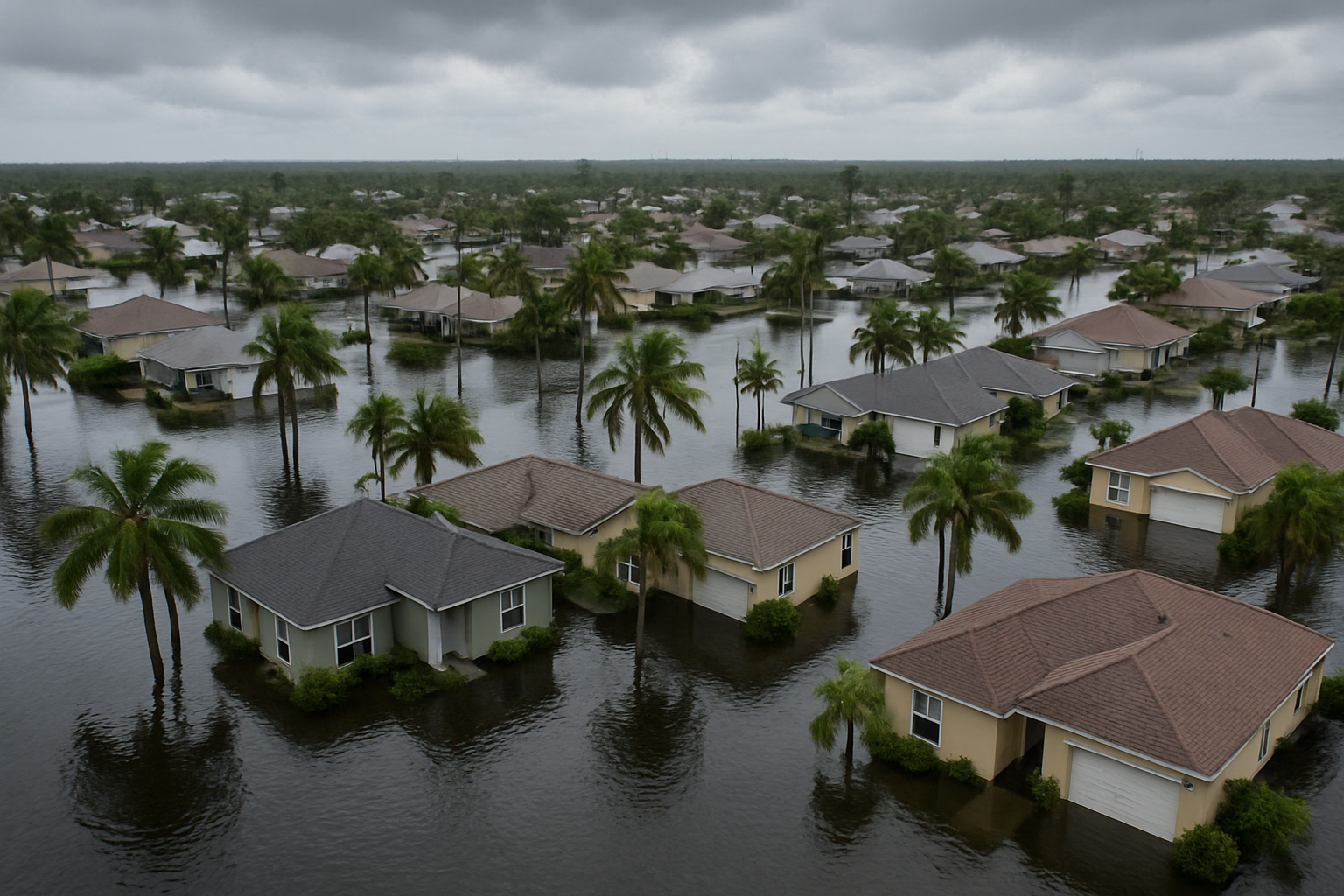
Here’s something many new Florida residents learn the hard way: your regular homeowners insurance absolutely does not cover flooding. Not one drop. This is why separate flood insurance isn’t just for beachfront properties—even homes miles inland can flood during our heavy summer storms or hurricane downpours.
The National Flood Insurance Program (NFIP) offers base coverage up to $250,000 for your home and $100,000 for your belongings. Your premium depends on your flood zone, how high your home sits, and how it’s built. It’s a good starting point, but often not enough for many Florida homes.
Good news though—the private flood insurance market has really grown in recent years. These policies often give you higher coverage limits, shorter waiting periods (NFIP has a 30-day waiting period), and more flexible terms. At Florida All Risk Insurance, we help our clients compare both options to find the right fit.
If your home sits on higher ground, investing in an elevation certificate can dramatically lower your flood premiums—often paying for itself within the first year through savings. One client in St. Petersburg saved over $1,200 annually after documenting that his home sat just 18 inches higher than neighboring properties.
Want to dive deeper into flood protection? Check out our complete guide to Best Flood Insurance Florida.
Wind & Hurricane Deductibles
Here’s a Florida insurance quirk that catches many homeowners by surprise: your hurricane deductible is completely separate from your regular deductible, and it’s usually much higher.
While your standard deductible might be $1,000, hurricane deductibles typically range from 2-10% of your home’s insured value. For a $400,000 home, that means you’d need to cover between $8,000 and $40,000 out of pocket before your insurance kicks in after a hurricane.
And here’s the tricky part—these higher deductibles activate whenever the National Weather Service names a storm, even if it’s just a tropical storm that never reaches hurricane strength. That’s why we always make sure our clients understand exactly when their hurricane deductible applies.
Many of our savvy Florida clients set up dedicated savings accounts just for their hurricane deductible. As one Tampa client told me, “After scrambling to cover my deductible after Irma, I now keep my full $12,000 hurricane deductible in a separate account—it helps me sleep better during storm season.”
Sinkhole & Water Damage Riders
Florida’s Swiss cheese-like limestone foundation makes sinkholes a real concern, especially in central Florida counties like Hernando, Pasco, and Hillsborough. Standard policies typically only cover “catastrophic ground collapse”—basically when your home becomes completely uninhabitable. But they won’t cover the more common, less dramatic sinkhole damage that might crack your foundation or walls.
Optional sinkhole coverage endorsements provide more thorough protection, though they often require geological inspections first and can significantly increase your premium in high-risk areas. For many homeowners in sinkhole-prone regions, this extra cost provides essential peace of mind.
While hurricanes get all the headlines, the most common insurance claims in Florida actually come from everyday water damage—leaky pipes, failed water heaters, roof leaks during rainstorms. Coverage for these incidents varies dramatically between policies. Some only cover “sudden and accidental” water damage while excluding slow leaks that happened over time.
Here’s a money-saving tip: many insurers offer preventive maintenance credits of 5-15% if you install water leak detectors, automatic water shutoff devices, or other risk-reduction measures. One client in Orlando cut his premium by nearly $300 annually after installing a smart water monitoring system that cost less than $200.
When it comes to protecting your Florida home, the details really matter. At Florida All Risk Insurance, we help you steer these Florida-specific coverages to create a policy that truly protects your most valuable asset—not just on paper, but when you actually need to file a claim.
Frequently Asked Questions about Florida Home Insurance in 2025
Why is homeowners insurance so expensive in Florida?
If you’ve opened a Florida homeowners insurance bill lately, you might have needed smelling salts to revive you. You’re not alone in that shock – and there are very real reasons behind those eye-watering premiums.
Florida’s unique position as a peninsula jutting into hurricane territory creates enormous climate risk that insurers must account for. When a major storm hits, the potential for catastrophic, widespread damage is unlike anywhere else in the country.
The litigation environment in Florida continues to drive costs skyward. Despite recent legislative reforms, our state still leads the nation in insurance lawsuits. As one industry expert put it, “In Florida, some people see a roof claim as a lottery ticket.” These legal expenses eventually find their way back to your premium.
Fraud remains a persistent problem, particularly with roof claims and assignment of benefits abuse. One client told me, “My neighbor got a ‘free roof’ from their insurance company after a storm that barely dropped a twig in our yard.”
Reinsurance expenses – essentially insurance for insurance companies – have skyrocketed in recent years. Florida insurers pay extraordinary amounts for this backstop coverage, and those costs flow directly to consumers.
Construction inflation has dramatically increased rebuilding costs. When materials and labor cost more, the potential payout for claims rises accordingly, necessitating higher premiums.
Sean Kevelighan, CEO of the Insurance Information Institute, offers some cautious optimism: “Property insurers want to do business in a state like Florida, which is growing, and there is now some hope that this could eventually happen more and more. However, it is important Florida’s public policymakers ensure the reform that is helping the market recover is not eroded by the billboard lawyers.”
How can I lower my premium without losing coverage?
Looking to trim your insurance costs without leaving yourself vulnerable? Smart move – and definitely possible with some strategic adjustments.
Strategic deductible increases often provide the most immediate savings. Consider raising your standard deductible (for non-hurricane claims) while maintaining a manageable hurricane deductible. This balance typically offers the best combination of premium savings and manageable risk.
One of the most overlooked savings opportunities comes from properly documenting your home’s wind mitigation features. A wind mitigation inspection typically costs $150-200 but can save thousands annually by formally verifying your hurricane-resistant features. One Tampa client reduced her premium by 37% after documenting the hurricane straps, impact windows, and reinforced garage door she already had.
Bundling policies remains one of the simplest ways to save. Combining home, auto, flood, and umbrella coverage with the same carrier typically provides substantial multi-policy discounts – often 10-15% across all policies.
Few homeowners realize that credit scores significantly impact insurance premiums. Maintaining good credit can lower your insurance costs substantially, sometimes by as much as 25%.
Working with an independent agent to identify unnecessary coverage elements can also trim costs. For instance, if you no longer have expensive jewelry or collectibles, adjusting those coverage limits makes sense.
At Florida All Risk Insurance, we regularly review client policies to find these savings opportunities without creating dangerous coverage gaps. As one client shared, “I was ready to slash coverages out of desperation until my agent found $1,200 in savings just by restructuring my policy correctly.”
What if I can’t find private market insurance?
Being declined for homeowners insurance can feel like being rejected for a date – but with much higher financial stakes. If private insurers are giving you the cold shoulder, you still have options.
First, try to identify and address specific underwriting objections. Sometimes, making targeted improvements like replacing an aging roof, updating electrical systems, or installing hurricane shutters can make your home insurable again. One Orlando client was rejected by six companies until we helped him identify that his 22-year-old roof was the dealbreaker. After replacement, he had multiple coverage options.
Excess and surplus lines carriers specialize in higher-risk properties. While these policies typically cost more and may have different terms than standard insurance, they offer an alternative for homes that don’t fit typical underwriting guidelines.
Citizens Property Insurance, Florida’s insurer of last resort, provides basic coverage when no affordable private market option exists. Be aware that Citizens policies often provide more limited coverage and may include potential assessment surcharges if the company faces massive claims after a catastrophic event.
The Florida FAIR Plan offers basic fire and wind coverage for properties that don’t qualify for standard insurance, though coverage is typically more limited than traditional policies.
One St. Petersburg homeowner shared: “After being declined by seven private insurers due to my roof age, Florida All Risk helped me secure a policy through Citizens while I saved for a roof replacement. Once the new roof was installed, they helped me return to the private market at a much lower premium.”
Finding the best homeowners insurance in Florida 2025 often requires persistence and creativity, especially in challenging situations. Our team specializes in finding solutions even when the first answer is “no.”
Conclusion
Finding the best homeowners insurance in Florida 2025 feels a bit like navigating a hurricane—challenging, but definitely possible with the right guidance. Despite rising premiums and shifting carrier options, there’s still good coverage available if you know where to look.
The secret isn’t just shopping for the lowest price today. It’s about understanding what makes your home unique—whether it’s your coastal location, your newly reinforced roof, or your home’s age—and finding coverage that actually protects what matters most to you.
I’ve seen countless Florida homeowners breathe a sigh of relief when they finally find that sweet spot: coverage that’s both affordable and comprehensive. One client recently told me, “After three years of premium shock, I finally feel like I understand what I’m paying for—and why it’s worth it.”
At Florida All Risk Insurance, we don’t just sell policies. We build protection plans that stand the test of time—and the inevitable Florida storms. With decades of experience specifically in Florida’s unique market and relationships with multiple carriers, we can help you find options you might not find on your own.
Our approach focuses on sustainability, not just savings. We want your coverage to be there when you need it most, not just when skies are sunny. We’ll help you identify smart mitigation strategies, maximize every available discount, and choose deductibles that make sense for your financial situation.
For even more detailed information about coverage options and strategies specific to Florida homes, check out our comprehensive guide to Florida Homeowners Insurance Coverage.
The best homeowners insurance in Florida 2025 isn’t a one-size-fits-all solution. It’s the policy that gives you peace of mind through hurricane season, provides responsive service when you file a claim, and comes from a company that will still be in business next year. Contact Florida All Risk Insurance today, and let’s build a protection plan that helps you weather whatever storms come your way—both literal and financial.

