The Cost of 26 Foot Box Truck Insurance
For many businesses, transporting goods efficiently and safely is essential to success. One crucial aspect of ensuring safety on the roads is having 26 foot box truck insurance cost adequately covered. Typically, for these types of trucks, insurance costs can range from $250 to $950 per month. This variance depends largely on factors like the truck’s usage and history.
Key Takeaways:
- Average Monthly Cost: $250 – $950
- Higher Coverage = Higher Cost
- Safety Record Influences Premiums
Navigating the insurance landscape may seem daunting, but understanding the cost implications for a 26-foot box truck can provide your business with the protection it needs to thrive in a competitive market.
I’m Jason Miller, a seasoned insurance professional with experience in Florida’s insurance industry. I’ve spent over 20 years helping businesses secure essential coverage. My expertise includes evaluating the 26 foot box truck insurance cost, ensuring companies choose the best solutions for their needs.
Simple guide to 26 foot box truck insurance cost terms:
– 24 hour commercial truck insurance
– Commercial truck insurance Florida
– Commercial truck liability insurance
Factors Influencing 26 Foot Box Truck Insurance Cost
When it comes to 26 foot box truck insurance cost, several key factors play a significant role in determining how much you’ll pay. Understanding these can help you manage your expenses and get the best coverage for your needs.
Truck Size
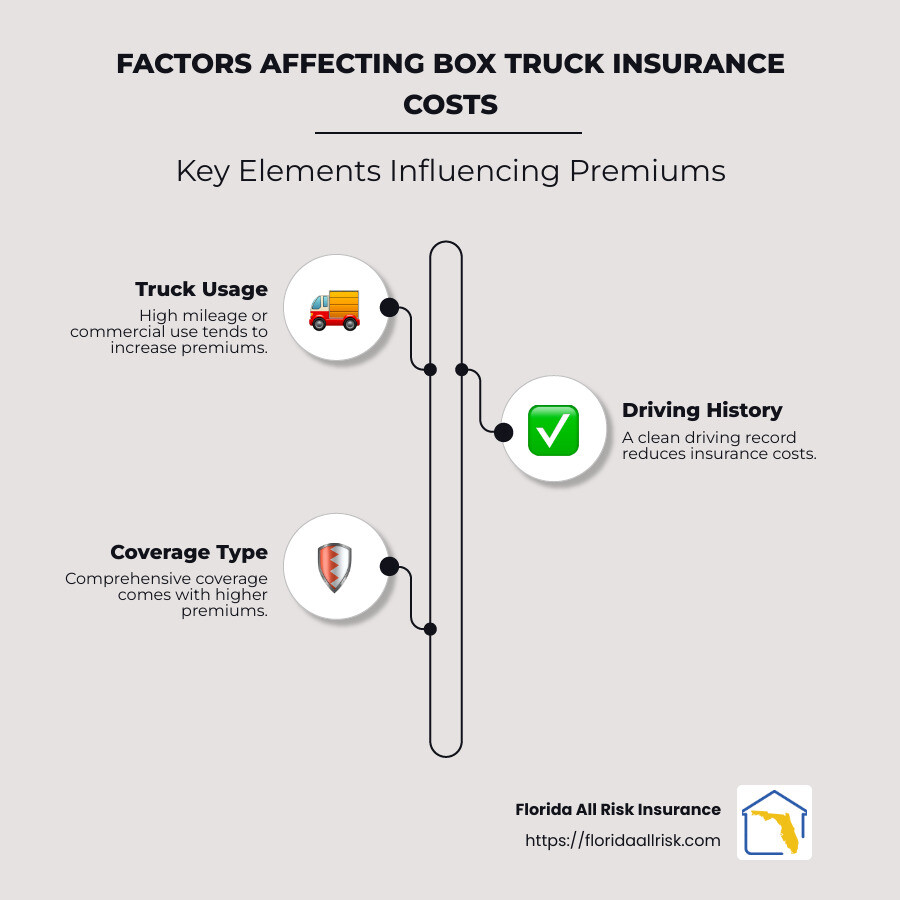
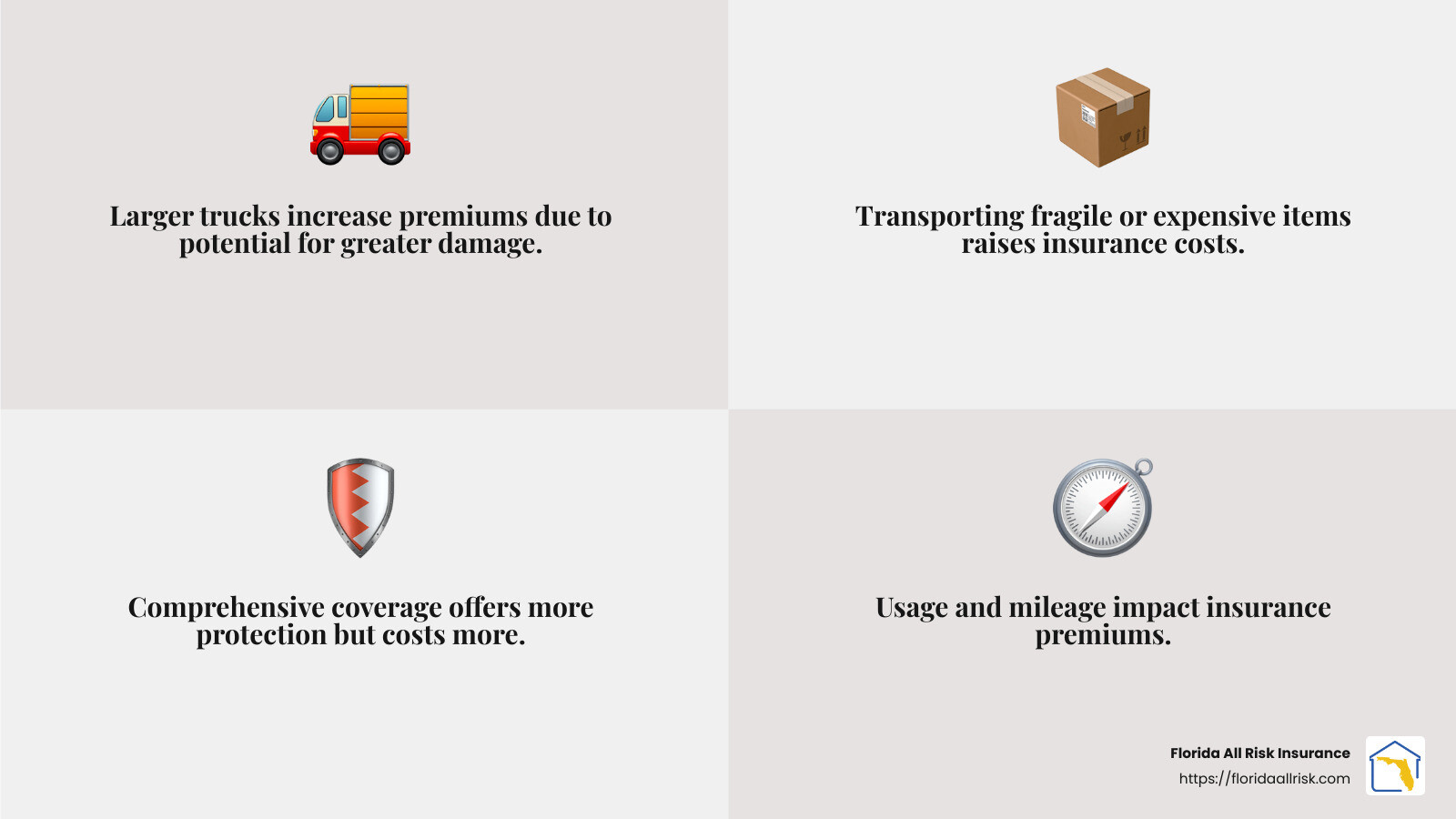
The size of your box truck directly impacts your insurance premium. Larger trucks, like a 26-foot box truck, can cause more damage in an accident. This increased risk leads to higher insurance costs compared to smaller vehicles.
Cargo Type
What you haul matters. Insurers consider the type of cargo because some goods are riskier to transport. For instance, fragile or expensive items like electronics or art pieces will likely increase your premium. On the other hand, less delicate items such as clothing or books may result in lower costs.
Coverage Type
The extent of coverage you choose also affects the cost. Basic liability insurance is cheaper but offers less protection. Comprehensive coverage, which includes collision and uninsured motorist insurance, provides broader protection but at a higher cost.
Truck Usage
How you use your truck influences your insurance rate. If your truck is used for local deliveries, you might pay less than if it’s used for long-haul or interstate transport. The logic here is simple: more time on the road equals more risk.
Driving History
A driver’s safety record is a critical factor. Drivers with a clean record often receive lower premiums. Insurance companies view them as less risky, reducing the likelihood of claims.
Location
Your business location can significantly impact your insurance cost. Operating in urban areas with high traffic and accident rates typically leads to higher premiums compared to rural areas.
Mileage
The more miles you drive, the higher the risk of an accident. Therefore, trucks with higher mileage tend to have more expensive insurance.
Insurance History
Your insurance history, including any past claims, influences your premium. A history of frequent claims can make insurers wary, leading to higher costs. Conversely, a clean insurance history might earn you discounts.
Understanding these factors can help you better manage your 26 foot box truck insurance cost and ensure you get the most suitable coverage for your business needs.
Understanding 26 Foot Box Truck Insurance Cost
Navigating the Costs
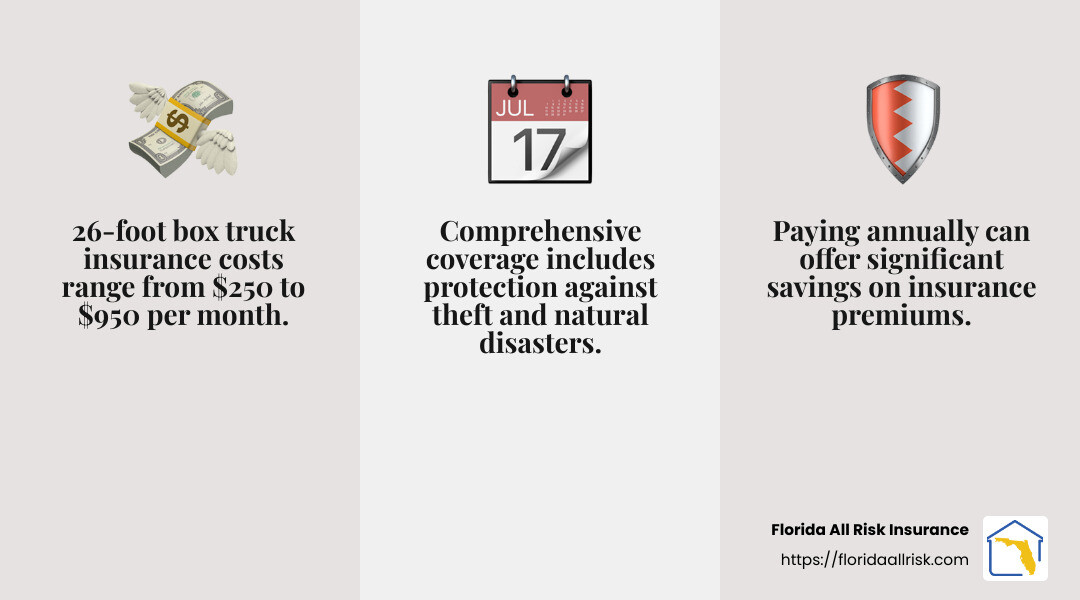
When it comes to insuring a 26-foot box truck, understanding the costs involved is crucial for budgeting and financial planning. On average, the 26 foot box truck insurance cost can range from $250 to $950 per month. This range reflects various factors such as coverage options, truck usage, and driving history.
Monthly Breakdown
Breaking down the costs into monthly payments makes it easier to manage day-to-day expenses. For instance, if your insurance costs $500 per month, you can better plan your monthly budget. That payment history and credit score can influence these monthly costs.
Annual Savings
While monthly payments are convenient, paying your premium annually can lead to significant savings. Many insurers offer discounts for drivers who pay their premiums annually, as it provides them with immediate cash flow. This can be a smart move if it fits within your financial plan.
Comprehensive Coverage
Opting for comprehensive coverage is often recommended, especially for larger trucks like a 26-footer. Comprehensive coverage typically includes protection against theft, vandalism, and certain natural disasters, along with collision and liability coverage. Although this comes at a higher cost, the peace of mind it provides can be invaluable.
Understanding these cost elements helps you make informed decisions about your insurance plan, ensuring that you protect your business without overextending your budget.
Navigating Box Truck Insurance Requirements
When insuring a 26-foot box truck, understanding the various insurance requirements is essential. These requirements not only ensure compliance with the law but also protect your business from potential financial pitfalls.
Liability Insurance
Liability insurance is non-negotiable. It’s required by law across the United States for all commercial vehicles, including box trucks. This coverage protects you if your truck causes damage to others or their property. The minimum required amount can vary by state, so it’s important to check your local regulations.
Physical Damage Coverage
While not always legally required, physical damage coverage is often necessary if you lease or finance your box truck. This includes both collision and comprehensive insurance, protecting your vehicle from accidents, theft, and other perils. Lenders usually mandate this coverage to safeguard their investment in your truck.
Cargo Insurance
Cargo insurance is crucial if you transport goods for others. Though not always legally required, many clients insist on it. This insurance covers the goods you’re hauling, ensuring they’re protected against damage or loss. If you transport household goods across state lines, federal regulations require a minimum amount of cargo insurance.
Uninsured Motorist Coverage
Some states require uninsured or underinsured motorist coverage. This protects you against losses caused by drivers without adequate insurance. Even if not mandated, it adds an extra layer of security for your business.
FMCSA Regulations
If your operations cross state lines, you must comply with Federal Motor Carrier Safety Administration (FMCSA) regulations. This often means higher liability limits and specific coverages, especially if transporting hazardous materials. Staying informed about these regulations is crucial to avoid penalties and ensure your business remains protected.
Navigating these insurance requirements can seem daunting, but understanding each aspect helps you make informed decisions. Consulting with an insurance expert can also provide clarity and ensure you’re adequately covered.
Tips for Reducing Your 26 Foot Box Truck Insurance Cost
Owning a 26-foot box truck means managing significant insurance costs. But don’t worry—there are several strategies to help you save money on your premiums. Here are some practical tips:
Compare Quotes
First, always compare quotes from multiple insurers. Each company evaluates risk differently, leading to varied pricing. By shopping around, you can find the best deal that suits your needs. Some insurers might offer better rates if you have a good driving record or if your truck is used for local deliveries only.
Increase Deductibles
Consider increasing your deductibles. A higher deductible means you’ll pay more out-of-pocket before your insurance kicks in, but it can significantly lower your premium. Just ensure you have the savings to cover the deductible if needed.
Maximize Discounts
Look for opportunities to maximize discounts. Many insurers offer price breaks for bundling policies, installing safety devices, or maintaining a clean driving record. Ask your insurance agent about any available discounts you might qualify for.
Driver Training
Invest in driver training programs. Well-trained drivers are less likely to be involved in accidents, which can lower your insurance rates. Some insurers offer discounts for companies that require their drivers to complete certified training courses.
Annual Payments
Opt for annual payments instead of monthly installments. Paying your premium in a lump sum can often lead to discounts, as insurers prefer having the cash upfront. This approach could save you a notable percentage on your annual costs.
By following these tips, you can effectively reduce your 26 foot box truck insurance cost, making it more manageable for your business.
Frequently Asked Questions about 26 Foot Box Truck Insurance Cost
Why is box truck insurance so expensive?
Box truck insurance can be pricey due to several factors. The size of the truck plays a significant role. A 26-foot box truck is larger and heavier than smaller vehicles, which increases the potential for damage in an accident. This also means higher repair costs if something goes wrong. The cargo type is another factor, as hauling expensive or fragile goods can raise premiums. Additionally, driving history, location, and mileage all contribute to the cost. Areas with higher accident rates or thefts often lead to increased insurance expenses.
Do you need a Class B to drive a 26 foot box truck?
Yes, you typically need a Class B Commercial Driver’s License (CDL) to drive a 26-foot box truck. This requirement is due to the vehicle weight and size. Trucks that weigh over 26,000 pounds require a Class B CDL. It’s important to check specific state regulations, as requirements can vary. Having the correct license ensures you comply with legal standards and helps in securing insurance coverage.
How much is 26 foot box truck insurance?
The average cost of insuring a 26-foot box truck can vary widely based on several factors, including coverage type and location. On average, premiums range from $2,781 to $5,000 per year. This breaks down to about $231.75 per month for basic liability coverage. However, opting for comprehensive coverage can increase these costs. It’s wise to compare quotes from different insurers to find the best rate for your specific needs. That factors like a clean driving record and the truck’s usage can influence the final premium.
Conclusion
At Florida All Risk Insurance, we know that protecting your business with the right insurance is crucial. Our focus is on providing custom coverage that suits your unique needs. Whether you own a single 26-foot box truck or manage a fleet, we offer flexible options custom to your operations.
Our commitment to offering competitive rates means you can get the coverage you need without breaking the bank. We understand the intricacies of 26 foot box truck insurance costs and work diligently to find solutions that align with your budget.
Personalized service is at the heart of what we do. As an independent agency based in St. Petersburg, Florida, we provide access to a wide range of carriers, ensuring you get the best possible rates and coverage. Our team is here to guide you through the process, answer your questions, and help you steer the complexities of commercial truck insurance.
For more information on how Florida All Risk Insurance can assist your business, visit our trucking insurance page. We’re here to help you protect what matters most and ensure your business is ready for the road ahead.